Yoga vs Weightlifting Best Choice for Healthy Aging Fitness
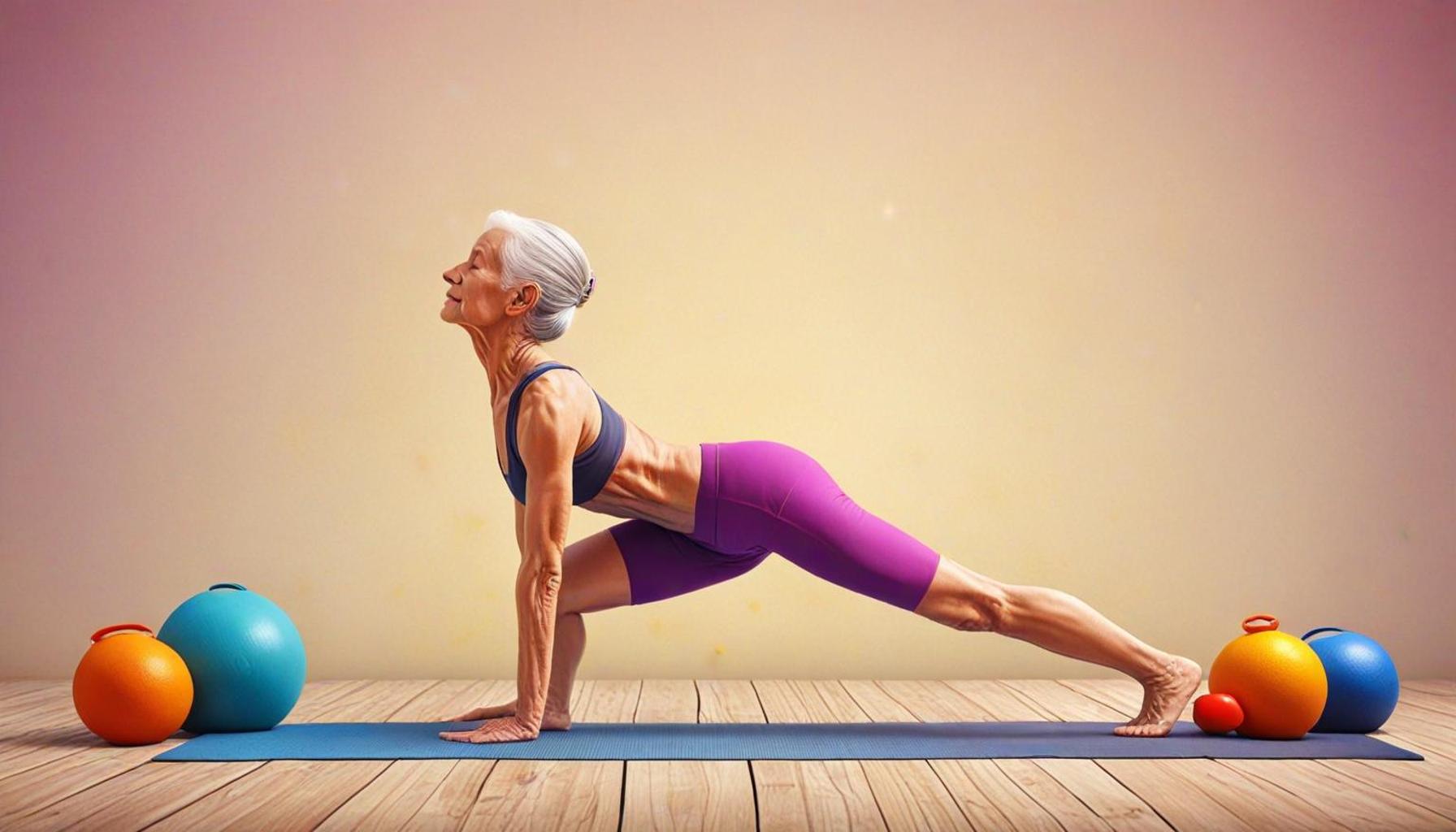
As the quest for healthy aging continues, more individuals are exploring various fitness paths to support their well-being. Among the most popular choices are yoga and weightlifting, each offering unique benefits tailored to different personal preferences and physical needs. Understanding the interplay between these activities can lead to enhanced quality of life as we age.
Consider the following aspects when evaluating which exercise fits better into a healthy lifestyle:
- Flexibility and Balance: Yoga promotes flexibility and balance through its postures and breathing techniques.
- Strength and Endurance: Weightlifting focuses on building muscle strength and overall endurance.
- Mind-Body Connection: Yoga facilitates mental wellness, helping to reduce stress and anxiety.
- Bone Health: Weightlifting is crucial for maintaining bone density and preventing osteoporosis.
- Age Consideration: Assessing age-related changes can lead to more informed choices.
This article aims to explore each activity’s merits, culminating in a ranking of the Top 5 factors to consider when selecting a fitness routine for healthy aging. Dive in to discover how to best support your health and vitality through the years.
Top 5: Yoga or Weight Training? How to Choose the Best Activity for Healthy Aging
As time progresses, the pursuit of a healthy lifestyle gains profound importance, particularly when it comes to healthy aging. Among the plethora of options available, two activities stand out for their numerous benefits: yoga and weight training. These methods, though fundamentally different, offer myriad health benefits that cater to the mind, body, and spirit. The task of choosing between them present a common challenge to many. This article explores five critical aspects to aid you in determining which exercise may best support a lifetime of well-being.
5. Flexibility Improvement
Flexibility is a key facet of overall health that often declines with age. Neglecting this crucial element can lead to potential injuries and reduced mobility. Yoga is rich in poses that are designed to boost flexibility, facilitating the stretching and alignment of the body. These poses encourage the elongation of muscles and tendons, positively influencing physical performance and easing everyday movements. Whether it’s through sun salutations or deeper stretches like pigeon pose, yoga continually challenges and improves one’s range of motion.
In contrast, weight training is primarily committed to bolstering muscle strength and mass. Though certain forms of strength training, such as dynamic stretching and kettlebell exercises, can incorporate elements of flexibility, they do not emphasize it to the same extent as yoga. For those whose primary focus is enhancing flexibility, yoga stands out as particularly advantageous, offering a gentle yet effective means of adapting the body to diverse physical demands.
4. Muscle Strength and Bone Density
Aging naturally brings about the decline of muscle mass and bone density, conditions known collectively as sarcopenia and osteoporosis. Engaging in weight training is one of the most effective ways for combating these age-related issues. The resistance exercises inherent to weight training stimulate the formation of bone-building cells, proving essential in the prevention and management of osteoporosis. Lifting weights or performing resistance exercises not only tones the body but also fortifies it against the vulnerabilities of aging.
While yoga offers strength-building benefits through balanced bodyweight poses—such as plank or warrior poses—it generally does not match the intensity of traditional resistance workouts. Yoga, however, provides a unique approach to functional strength, enhancing core stability and muscle endurance over sheer mass gain. For those intent on building and preserving muscle strength, weight training tends to be the more effective choice.
3. Stress Relief and Mental Well-Being
Exercise has a significant impact on mental health, serving as a potent tool against the effects of stress and one’s overall psychological state. In later years, managing stress becomes even more crucial. Yoga is renowned for its central emphasis on mindfulness and relaxation. By blending deep-breathing techniques with meditation and movement, yoga offers a haven from daily stressors, helping to alleviate anxiety and depression while fostering emotional stability and clarity.
Weight training, too, yields mental health benefits through the release of endorphins, the body’s natural mood enhancers. Nonetheless, the intensity and structure of a weight training session might not facilitate the same level of mental relaxation that yoga provides. For those whose primary concern centers on stress relief and emotional well-being, yoga—or a hybrid approach incorporating both yoga and weight training—may be ideal.
2. Balance and Coordination
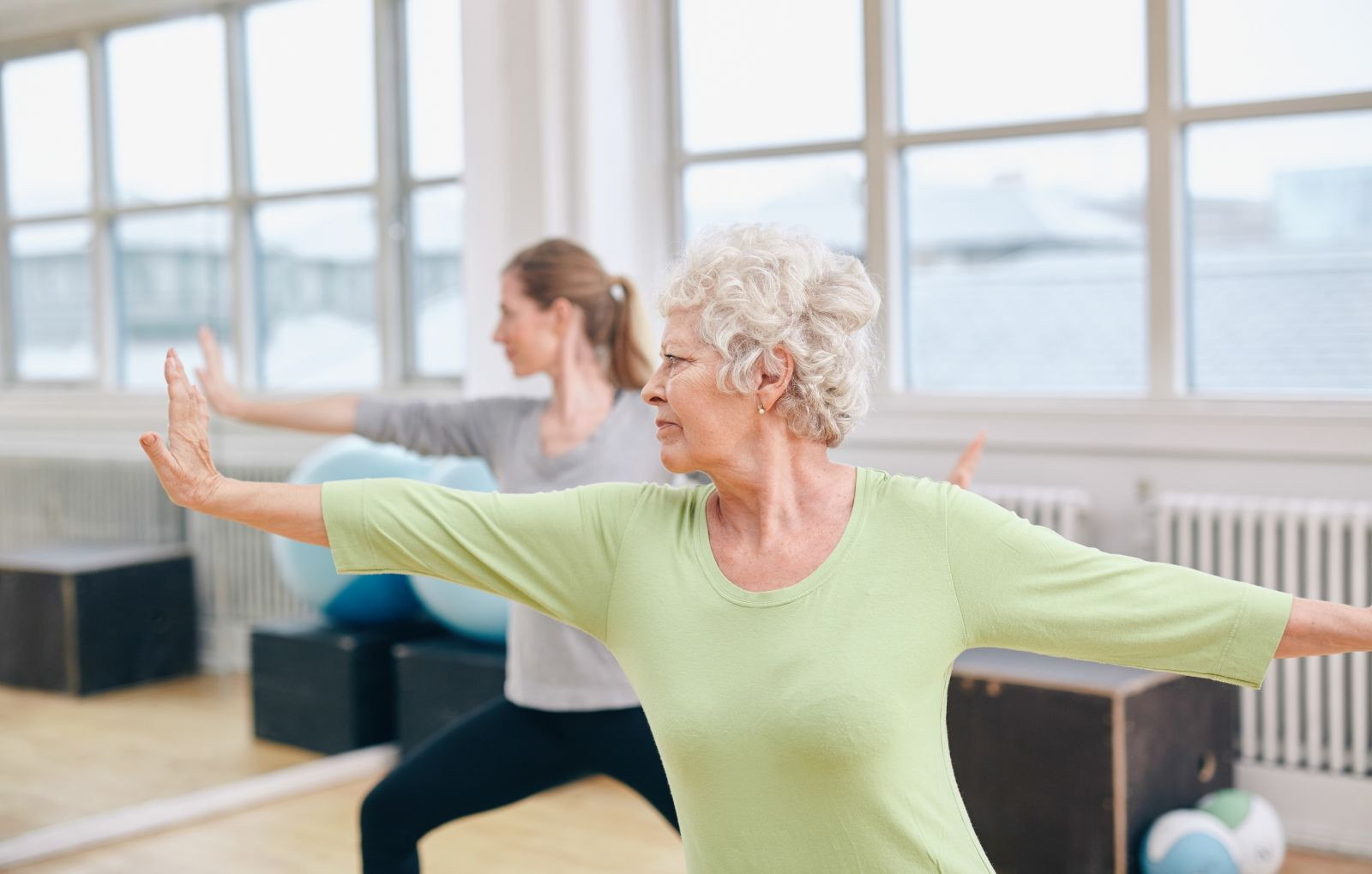
Maintaining balance is a critical element as we age, as it plays an essential role in ensuring independence and preventing falls. Yoga enhances balance and coordination through intricate poses that require core stability and alignment. These poses not only strength the body’s structural muscles but also increase proprioception, the body’s innate ability to sense its orientation in space. From tree pose to warrior III, yoga cultivates a higher degree of body awareness essential for graceful aging.
Similarly, weight training can improve balance through exercises that engage multiple groups of muscles. It often involves added balancing techniques using tools such as stability balls or dynamic lunges. However, supplementing weight training with balance-focused yoga poses creates a comprehensive routine that harmoniously nurtures stability and coordination.
1. Holistic Health Approach
For those prioritizing healthy aging, adopting a holistic approach proves beneficial. Yoga is a practice that integrates physical postures, breathing exercises, and meditation into a seamless and comprehensive workout. This holistic philosophy nurtures not only the physical body but also the mind and spirit, promoting mindfulness and self-awareness in daily life.
Although weight training excels in building and maintaining muscle strength, it may lack some of the holistic elements intrinsic to yoga, such as stress reduction and mindfulness practice. For optimal health outcomes, incorporating both yoga and weight training within a balanced fitness regimen is the epitome of promoting longevity and health. Those deciding between yoga and weight training would do well to consider personal preferences, existing health conditions, and specific goals to create a tailored path to well-being.
Ultimately, the ideal activity for aging healthily might not require a decision favoring “either/or.” Instead, consider blending the benefits of both yoga and weight training. By listening to your body and embracing movement that brings joy, you establish a foundation for a vibrant, healthy life in the years ahead.
| Activity Type | Key Features | Advantages | Disadvantages | Best for… |
|---|---|---|---|---|
| Yoga | Incorporates posture, breathing, and meditation. | Improves flexibility and promotes relaxation. Can enhance mental clarity and reduce stress levels. | Some may find it less physically challenging. Requires a calm environment for effective practice. | Individuals seeking stress relief and flexibility enhancement. |
| Weight Training | Focuses on using resistance to build muscle strength. | Increases muscle mass and bone density, which are vital for aging bodies. Also boosts metabolism and functional strength. | Requires knowledge of technique to prevent injury. Can be intimidating for beginners without guidance. | Individuals aiming to build strength and improve physical performance. |
| Pilates | Focuses on core strength, flexibility, and overall body awareness. | Enhances postural alignment and provides muscle balance, which is crucial for everyday tasks. | Can be less intense than other forms of exercise. Equipment needed can be expensive. | People wanting a balanced workout that improves core strength. |
| Tai Chi | A gentle form of martial art focused on slow, deliberate movements. | Reduces stress and improves balance and flexibility, often beneficial in preventing falls among older adults. | May not provide the intensity some may seek for cardiovascular benefits. | Aging individuals focused on balance, relaxation, and well-being. |
In selecting between yoga and weight training for a healthy aging lifestyle, it’s crucial to understand the unique benefits each offers. For instance, while yoga primarily emphasizes flexibility and mental clarity, weight training is unmatched in its ability to enhance muscle mass and improve bone density. Pilates and Tai Chi also present compelling options, each catering to different needs and preferences.For example, Pilates is especially advantageous for individuals focusing on core strength and proper alignment, which can significantly affect mobility and activities of daily living. Conversely, Tai Chi’s slow movements and emphasis on mental relaxation make it a superb choice for those wanting to mitigate stress and enhance overall well-being, particularly in preventing falls—a significant concern among the aging population.Ultimately, the most suitable activity will depend on personal goals, existing physical conditions, and overall lifestyle preferences, making it essential to explore these options further to find the perfect fit for a healthy aging journey.
Frequently Asked Questions about Choosing Between Yoga and Strength Training for Healthy Aging
What are the benefits of practicing yoga as we age?
Yoga offers a myriad of benefits, particularly as we age. It promotes flexibility, which is crucial for maintaining mobility. Moreover, yoga enhances balance, potentially reducing the risk of falls. Additionally, its focus on breath and mindfulness can contribute to reduced stress levels and improved mental clarity. By incorporating different styles of yoga, such as Hatha or Restorative, older adults can find a practice that suits their physical capabilities while promoting overall wellbeing.
How does strength training support healthy aging?
Strength training plays a vital role in preserving muscle mass and bone density, which naturally decline with age. By engaging in regular resistance exercises, seniors can enhance their muscle strength and bone health, reducing the risk of osteoporosis and fractures. Additionally, strength training can boost metabolism, aid in weight management, and improve joint function. Importantly, it’s crucial for promoting functional fitness, which supports the performance of everyday activities with ease.
Is it safe to combine yoga and strength training?
Absolutely, combining yoga and strength training can be very beneficial, especially for older adults seeking a balanced fitness routine. While yoga focuses on flexibility and relaxation, strength training offers muscle maintenance and endurance. Together, these disciplines can complement each other, enhancing overall physical fitness and mental well-being. However, it’s important to listen to your body and possibly consult a fitness professional to tailor a regimen suited to your personal health goals and physical capabilities.
How can I determine which activity is best for my personal health needs?
Choosing between yoga and strength training—or even combining them—largely depends on individual health goals and physical conditions. Start by assessing what you aim to achieve: if enhancing flexibility and relaxation is your primary goal, yoga might be your best option. Conversely, if protecting muscle mass and bone strength is priority, then strength training could be more suitable. Additionally, consider any health limitations and preferences for specific types of activities. Consulting a healthcare provider can offer personalized insights based on your unique health profile.
Are there specific considerations for older beginners in both practices?
Indeed, special considerations should be made for older beginners in both yoga and strength training. In yoga, it’s advisable to start with gentle classes and learn the basics through guided sessions before progressing. For strength training, using light weights and focusing on proper form is essential to avoid injury. Additionally, working with a certified instructor can help ensure exercises are performed safely and effectively. Always focus on listening to your body and acknowledge your limits.
Conclusion
In the pursuit of healthy aging, selecting the right physical activity becomes paramount, and both yoga and weightlifting offer compelling benefits. The journey through understanding their unique advantages reveals that these two disciplines complement rather than compete with one another, providing a comprehensive approach to well-being.
Yoga: The Harmony of Body and Mind
Yoga’s holistic approach connects physical movement with mental health, offering a blend of flexibility, balance, and stress relief that is crucial as one ages. Its focus on controlled breathing and mindfulness can significantly enhance cognitive function, maintain emotional balance, and reduce stress-induced ailments.
Weightlifting: Building a Strong Foundation
On the other hand, weightlifting effectively targets muscle strength, bone density, and metabolic health. This is particularly important for older adults aiming to prevent age-related muscle loss and support joint health. By incorporating resistance training, individuals can enhance daily functionality and independence, a vital aspect of aging gracefully.
Combining both practices can lead to an even more powerful synergy, supporting not only physical health but also enriching mental and emotional resilience. Each person’s needs and conditions are different, and it is advisable to consult healthcare professionals to tailor a program fitting one’s unique health profile and goals.
Ultimately, whether you lean towards the tranquility of yoga or the empowerment of weightlifting—or choose to blend both—embrace the journey as a pathway to sustaining vitality and joy throughout the golden years. The decision should align with your personal preferences and lifestyle objectives—but most importantly, with your ongoing commitment to health and wellness.
Related posts:
Benefits of physical exercise for mental health and anxiety reduction
Low-Impact Exercises to Stay Fit After 50 Your Ultimate Guide
Exercises to Improve Balance and Prevent Falls in the Elderly
How Resistance Training Can Improve Mental and Emotional Health as We Age
How to prevent and treat muscle injuries with nutrition and recovery exercises
Importance of a balanced meal plan for those who exercise regularly

Linda Carter is a writer and wellness coach specializing in holistic health and personal well-being. With extensive experience helping individuals achieve balanced lifestyles and make informed health choices, Linda shares her expertise on our platform. Her goal is to empower readers with practical advice and sustainable strategies for lifelong wellness success.