Stretching exercises to reduce muscle pain and improve flexibility
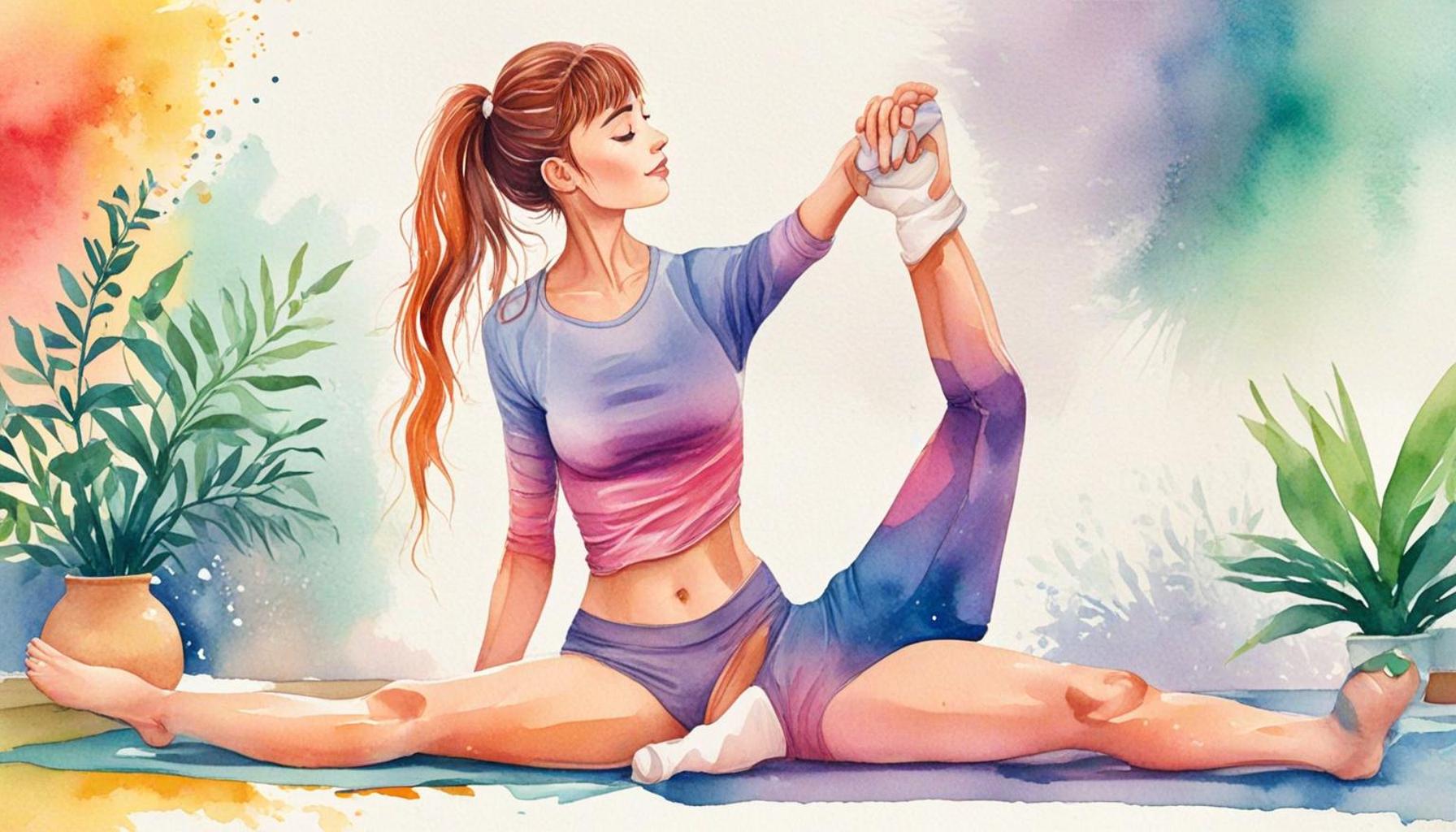
The Importance of Incorporating Stretching into Your Routine
Stretching is frequently overshadowed by other elements of fitness such as strength training or cardiovascular workouts. Yet, dedicating a few minutes each day to stretching can transform your physical well-being. The myriad benefits of this practice extend beyond mere flexibility; they significantly contribute to overall health and fitness.
By committing to a regular stretching regime, individuals can unlock a range of health benefits that not only support physical activity but also promote a deeper sense of ease and comfort in everyday life. Some key advantages include:
- Reduced muscle tension: One of the most notable benefits of stretching is its capacity to help alleviate pain and stiffness, particularly in the neck, shoulders, and back. This relief can be especially valuable for those with sedentary jobs or lifestyles, as it counters the effects of prolonged sitting.
- Improved range of motion: Stretching enhances flexibility, allowing joints to move more freely, which can lead to better performance in sports and daily tasks. For example, athletes often incorporate specific stretches to prepare their bodies for rigorous activities like basketball or running.
- Enhanced blood flow: By promoting circulation, stretching aids in nutrient delivery and waste removal throughout the body. Improved blood flow can accelerate recovery after workouts and reduce the risk of injuries.
There are a variety of stretching techniques available, making it easy to find routines that cater to any fitness level or preference. Consider the following examples:
- Static stretches: These include holding a specific position for a period, such as a hamstring stretch where you reach for your toes while seated. Static stretches are typically performed after workouts to help cool down the body.
- Dynamic stretches: These movements involve carefully controlled leg and arm motions, such as arm circles or leg swings, and are most effective when performed before engaging in physical activities. They serve to warm up the muscles, making them more pliable.
- PNF stretches: Proprioceptive Neuromuscular Facilitation (PNF) stretches involve alternating contracting and relaxing the muscle group being stretched, often requiring a partner for best results. This method can significantly increase both flexibility and strength.
Integrating stretching into your exercise regime fosters a holistic approach to fitness and well-being. As you explore different techniques, you may discover both immediate and long-term benefits that enhance your physical comfort and mobility. The journey towards improving your body begins with a commitment to stretching, allowing you to embrace a more vibrant lifestyle. Whether it’s a simple morning stretch to kick-start your day or a soothing routine at night to unwind, the possibilities are endless, and the positive effects profound.
As you embark on this journey, be sure to research various stretching programs, perhaps even consulting with fitness professionals. They can provide personalized recommendations tailored to your individual needs and goals, ensuring you fully maximize the transformative potential of stretching. Your body will thank you.
Exploring Effective Stretching Techniques for Pain Relief and Flexibility
Stretching exercises are essential tools for fostering physical health, and understanding the various techniques can significantly enhance their effectiveness. Whether you are an athlete or someone who spends long hours sitting at a desk, stretching can provide meaningful relief from muscle pain while improving overall flexibility. To harness these benefits fully, it’s crucial to explore several popular stretching exercises geared toward reducing muscle discomfort and promoting a greater range of motion.
One widely recommended approach is static stretching, which is ideal for winding down after a workout. Static stretches involve extending a muscle to its maximum length and holding that position for a specific duration, generally between 15 to 60 seconds. This method encourages relaxation and lengthening of muscles, making it highly effective for recovery. Some well-loved static stretches include:
- Hamstring Stretch: Seated with legs extended, reach towards your toes to stretch the back of your legs.
- Quadriceps Stretch: Stand and hold onto a wall for balance while pulling one foot toward your glutes, stretching the front of your thigh.
- Triceps Stretch: Raise one arm overhead and bend the elbow, using the opposite hand to gently push the elbow back, targeting the back of the arm.
In contrast, dynamic stretching is best performed prior to physical activity and is designed to prepare your muscles and joints for movement. These stretches typically involve controlled motions that mimic the movements of the activity to follow, which not only increases heart rate but also enhances flexibility. Examples of dynamic stretches include:
- Leg Swings: Swing one leg forward and backward while maintaining balance, which engages the hip flexor and hamstrings.
- Arm Circles: Extend arms out to the sides and make small circles to warm up the shoulders and upper body.
- Lateral Lunges: Step out to the side and lower into a lunge to stretch the inner thighs and groin area.
Another effective technique is Proprioceptive Neuromuscular Facilitation (PNF) stretching, which combines both stretching and contracting of the targeted muscles. Often employed in physical therapy settings, PNF can significantly improve flexibility and can be performed with a partner or using a resistance band. For instance, a common PNF stretch involves stretching the leg, then contracting it against a partner’s resistance before relaxing back into a deeper stretch.
As you integrate these stretching techniques into your routine, listening to your body is paramount. Each stretch should be performed gently; pushing beyond comfort can lead to injury rather than the intended benefits. Beginners should focus on holding stretches at a comfortable depth and gradually easing into greater range over time. It’s advisable to incorporate stretching sessions of about 15 to 30 minutes a few times a week, allowing ample recovery time for the muscles in between sessions.
Through a commitment to diverse stretching practices, you can craft a personalized journey towards less muscle pain and improved flexibility. By understanding the different types and methods available, you are better equipped to explore how they fit into your fitness goals and lifestyle. The world of stretching holds tremendous potential—unlock it and let your body revel in the newfound ease it brings.
Incorporating Stretching into Daily Life for Maximum Benefits
While understanding various stretching techniques is crucial, effectively incorporating them into your daily routine can significantly enhance their effectiveness and is just as essential. Consistency is the key to achieving flexibility and reducing muscle pain, and establishing a regimen that fits seamlessly into your life can lead to profound benefits over time.
To make stretching a practical part of your day, consider setting specific times for stretching. Many find that doing stretches in the morning can serve as a gentle wake-up call for the body. Starting the day with a few simple stretches, such as the Cat-Cow Stretch or a gentle Neck Stretch, can help alleviate stiffness that may have developed overnight. In addition to improving flexibility, morning stretches can boost mental clarity and set a positive tone for the day.
Similarly, incorporating stretching into your regular workday, especially if you have a desk job, can combat the adverse effects of prolonged sitting. Simple stretches like the Seated Torso Twist or Wrist/Forearm Stretches can be performed right at your desk. Taking a short break every hour to stand up, stretch, and take a few deep breaths not only counters stiffness but also revitalizes energy and focus, productivity potential rises, and stress levels drop.
Evening routines can also benefit from stretching sessions. This time can be dedicated to deeper stretches like the Cobra Stretch or the Child’s Pose, targeting areas that may carry tension after a long day. Incorporating these stretches before bed promotes relaxation and can improve the quality of your sleep, allowing your muscles to recover fully overnight.
In addition to everyday habits, fostering balance through active recovery days that include yoga or Pilates can create a holistic approach to flexibility and pain management. Both disciplines prioritize stretching, with specific sequences designed to release tension, improve flexibility, and promote muscle strength. For those seeking community support or guided sessions, many local gyms and yoga studios offer classes tailored to all levels, accommodating beginners and advanced practitioners alike.
It is also important to consider dietary choices that can potentially complement your stretching routine. Staying hydrated is essential, as water helps maintain muscle elasticity and promotes better performance during stretching sessions. Consuming a diet rich in anti-inflammatory foods, such as fatty fish, nuts, fruits, and vegetables, can also aid in muscle recovery and help reduce soreness.
Finally, be mindful of external stressors that may cause muscle tension. Stress management techniques such as mindfulness, meditation, or breathing exercises can significantly enhance your stretching routine by promoting a state of relaxation. When the body is calm, muscles tend to respond better to stretching, enhancing the effectiveness of each movement.
As you explore and integrate these practices into your lifestyle, remember that the journey towards improved flexibility and reduced muscle pain is unique to each individual. By finding what works best for you, stretching can transform not just your physical health, but also contribute positively to your overall well-being. With persistent effort and a curious mindset, the world of stretching unfolds with endless potential for personal growth and comfort.
Conclusion
In embracing the practice of stretching exercises, individuals open the door to a myriad of benefits that extend far beyond mere physical flexibility. The journey towards reduced muscle pain and improved range of motion is not only achievable but essential for a vibrant, active lifestyle. By incorporating stretching into daily routines—whether in the morning to shake off sleep-induced stiffness, during midday breaks to combat the strains of office work, or in the evening to wind down—individuals can harness the power of simple movements to influence their overall well-being significantly.
Moreover, as we recognize the profound interplay between hydration, nutrition, and stress management, we see that effective stretching is enhanced by a holistic approach. A balanced diet replete with anti-inflammatory foods supports muscle recovery, while practices like meditation can quiet the mind, allowing for more effective stretching sessions. Attaining flexibility and alleviating pain is not a one-time endeavor but a continuous journey shaped by our choices and consistency.
In a fast-paced world where many prioritize strength training and cardio, integrating stretching must not be overlooked. As science increasingly supports the positive outcomes associated with regular stretching—ranging from improved physical performance to enhanced mental clarity—there has never been a more opportune moment to delve deeper into these techniques. For those curious about expanding their knowledge, consider exploring local classes or online resources that provide additional insights into effective stretch routines. With dedication and an open mind, the world of stretching offers boundless possibilities, paving the way toward a healthier, more flexible life.
Related posts:
How to Improve Performance in Endurance Activities with Proper Nutrition and Training
How to train to improve mental and emotional health during times of stress
Benefits of interval training for weight loss and cardiovascular health
How to Avoid Common Dietary Mistakes to Improve Exercise Performance
How to safely exercise during pregnancy
How Pilates practice can improve posture and relieve back pain

Linda Carter is a writer and wellness coach specializing in holistic health and personal well-being. With extensive experience helping individuals achieve balanced lifestyles and make informed health choices, Linda shares her expertise on our platform. Her goal is to empower readers with practical advice and sustainable strategies for lifelong wellness success.