Protein-rich foods for those who want to gain muscle mass
The Importance of Nutrition in Muscle Development
When it comes to building muscle, many enthusiasts often focus on rigorous training regimens and neglect an equally critical component: nutrition. Among various dietary elements, protein stands out as a key player. Not only does protein serve as the building block for muscle tissue, but it also plays a significant role in recovery post-exercise, ensuring that athletes and fitness lovers can continue to progress in their training.
High-Protein Foods to Enhance Muscle Growth
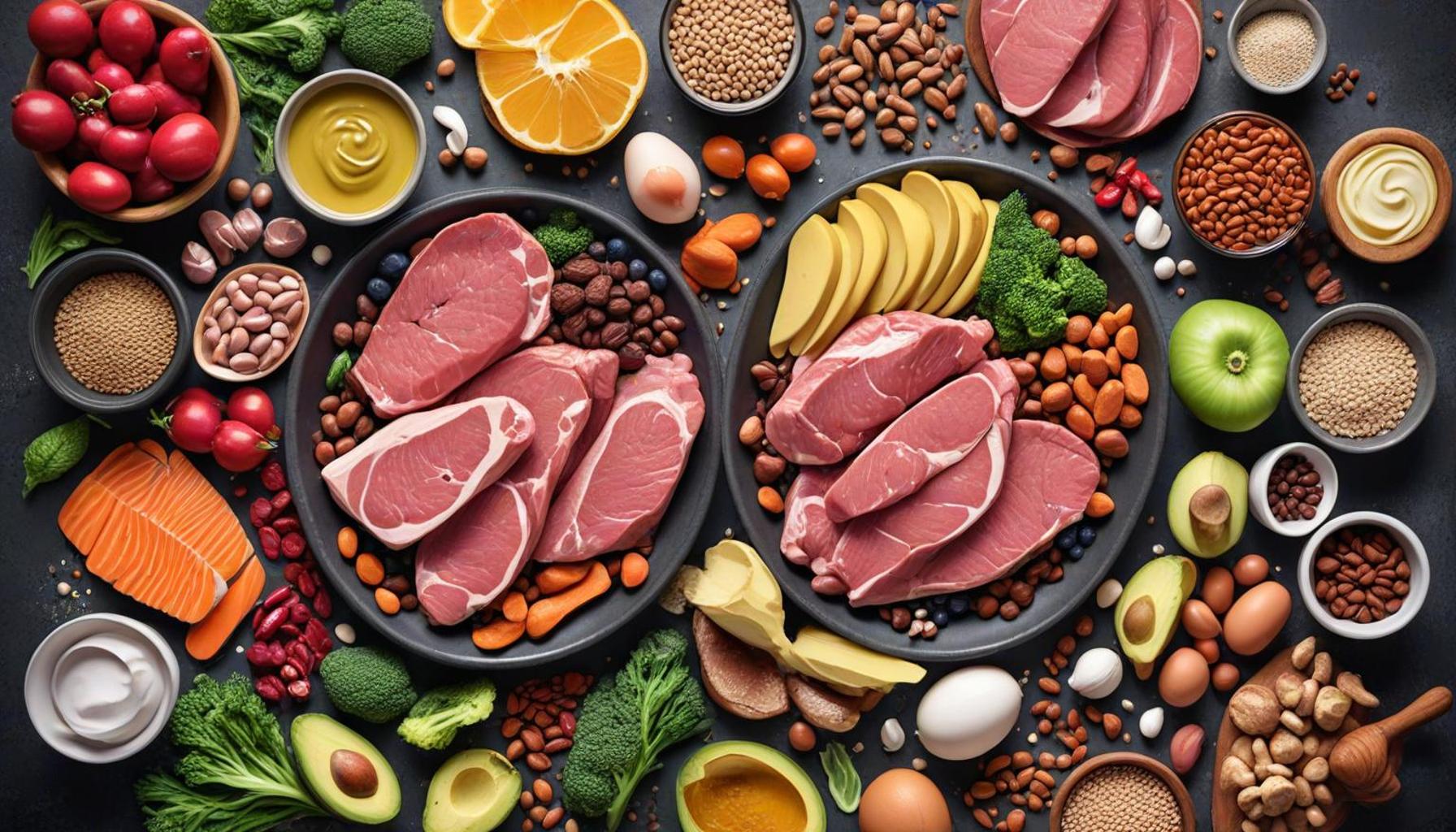
Incorporating protein-rich foods into your daily meals can greatly influence muscle gain. Here are some excellent examples of high-protein options:
- Chicken breast – Known for its leanness, chicken breast is a staple in many athletes’ diets. With approximately 31 grams of protein per 100 grams, it’s easy to see why it’s a favorite among those looking to bulk up.
- Salmon – This fatty fish doesn’t just deliver a hefty dose of protein, around 25 grams per 100 grams; it also brims with omega-3 fatty acids, promoting heart health and reducing inflammation.
- Legumes – Beans, lentils, chickpeas, and peas are fantastic plant-based protein sources that can provide around 18 grams of protein per cooked cup. They are not only affordable but also rich in fiber, which aids in digestion.
- Eggs – Often referred to as nature’s multivitamin, one large egg packs about 6 grams of complete protein. Consuming eggs post-workout can optimize recovery thanks to their high leucine content, an amino acid vital for muscle repair.
- Greek yogurt – This dairy product can contain up to 10 grams of protein per 100 grams and is often fortified with probiotics that support gut health. It’s versatile, making it an excellent addition to smoothies, parfaits, or even savory dishes.
Understanding Your Protein Needs
Determining the right amount of protein necessary for muscle gain is essential. The general recommendation for active individuals is to consume between 1.2 to 2.2 grams of protein per kilogram of body weight, depending on the intensity of your exercise regimen. This calculation ensures you’re consuming adequate protein while aligning with your overall caloric needs for muscle growth.
Moreover, the timing of protein intake can also enhance your fitness results. Research suggests that consuming protein shortly after a workout can facilitate muscle repair and growth, making the post-exercise meal crucial in your dietary strategy.
Diversity in Protein Sources
While focusing on protein is vital, choosing a varied and balanced diet is equally important not just for muscle gain but for overall well-being. Different protein sources provide unique amino acid profiles and nutrients, helping to cover all bases in your dietary needs. Exploring options such as quinoa, tofu, and nuts can open new avenues for your nutrition strategy.
As you embark on your fitness journey, remember that muscle gain is a holistic process. By understanding the importance of protein and integrating a diverse array of sources, you can set yourself up for both immediate gains and long-term health benefits. Seeking professional advice or conducting further research can also enhance your understanding and application of nutritional strategies in reaching your fitness goals.
Fueling Your Gains: High-Protein Foods to Consider
For those on a quest to boost muscle mass, understanding the variety of protein-rich foods available is paramount. While individual preferences and dietary restrictions play a role in food choices, integrating different sources of protein can help you not only meet but exceed your nutritional goals. Here’s a closer look at some protein options that can significantly contribute to your muscle-gaining aspirations:
- Turkey – Similar to chicken, turkey is a lean meat offering about 29 grams of protein per 100 grams. It’s rich in essential vitamins and minerals and is a versatile option for meal prep, whether in sandwiches, salads, or stir-fries.
- Cottage Cheese – With around 11 grams of protein per 100 grams, cottage cheese is a delicious and creamy addition to your diet. It’s often recommended as a pre-bedtime snack due to its casein protein, which digests slowly, providing a steady supply of amino acids overnight.
- Beef – Though higher in fat than chicken or fish, lean cuts of beef, like sirloin or tenderloin, can deliver up to 26 grams of protein per 100 grams. Beef is also a great source of creatine, which is known to enhance performance and muscle growth.
- Nuts and Seeds – Almonds, peanuts, pumpkin seeds, and chia seeds are not just tasty snacks; they are also packed with protein, ranging from 20 to 30 grams per 100 grams. These snacks provide healthy fats and fiber, making them excellent for muscle recovery and sustained energy.
- Protein Supplements – For those struggling to meet protein requirements purely through whole foods, supplements like whey protein or plant-based protein powders can be effective solutions. Depending on the brand, a single scoop can add between 20 to 30 grams of protein to your smoothies or shakes, offering convenience and efficiency.
Each of these protein sources boasts unique benefits, catering to diverse palates and dietary needs. For example, if you’re looking for quick meals packed with nutrition, turkey and beef can be grilled or sautéed in just a few minutes. Meanwhile, cottage cheese and nuts make for easy snacks that fit neatly into a busy lifestyle.
Moreover, understanding how to combine these protein sources can yield even better results. Pairing a high-protein meal with carbohydrates, such as whole grains or fruits, can enhance muscle recovery and energy levels post-exercise. Additionally, varying your protein sources not only keeps your meals interesting but ensures you’re getting a broad spectrum of nutrients required for optimal health.
As you explore the vibrant world of protein-rich foods, remember that consumption should be tailored to your personal health goals and lifestyle. Finding the right balance and variety will create a sustainable dietary approach that aligns with your muscle-building intentions while fostering overall well-being.
Exploring Diverse Protein Sources: From Seafood to Legumes
As you continue to diversify your protein intake, consider incorporating a range of foods that are not only high in protein but also offer distinct flavors and nutrition. Among these options, seafood stands out as an often-overlooked source of quality protein. Delicious and nutritious, fish such as salmon, tuna, and halibut can deliver approximately 20 to 25 grams of protein per 100 grams while also providing heart-healthy omega-3 fatty acids, which are essential for muscle recovery and reducing inflammation.
- Salmon – This fatty fish provides around 25 grams of protein per 100 grams. The presence of omega-3 fatty acids not only aids muscle recovery but also supports brain health, making it a dual-purpose inclusion in your diet.
- Tuna – Another protein-rich option, canned tuna packs a punch with about 30 grams of protein per 100 grams. It’s a perfect addition to salads, sandwiches, or even pasta dishes, offering convenience and taste.
- Legumes – For those who prefer plant-based protein sources, beans, lentils, and chickpeas are excellent options. With protein content ranging from 8 to 25 grams per 100 grams, they are rich in fiber and other nutrients that promote satiety and overall health.
- Tofu – Eating plant-based is becoming increasingly popular, and tofu is an excellent source of protein for vegetarians and vegans. Providing approximately 8 grams of protein per 100 grams, tofu is incredibly versatile and absorbs flavors well, making it easy to incorporate into various dishes.
The inclusion of these protein sources not only contributes to muscle growth but also promotes a balanced and flavorful diet. Seafood, for example, can be grilled, baked, or even incorporated into sashimi, offering a delightful range of culinary experiences. On the other hand, legumes can be transformed into hearty soups, stews, or even veggie burgers, ensuring there’s never a dull moment in your meals.
Additionally, the timing of protein intake can significantly impact muscle synthesis. Studies suggest that consuming protein shortly after a workout can enhance recovery and support muscle growth. This is where snacks come into play; a combination of protein-rich foods can facilitate the recovery process. For instance, pairing a serving of Greek yogurt (which has approximately 10 grams of protein per 100 grams) with fresh fruit post-workout can effectively replenish your body’s nutrient stores and aid in the rebuilding of muscle fibers.
Furthermore, exploring less conventional protein sources can introduce exciting flavors and textures to your diet. In specific cuisines, protein options like edamame, tempeh, or quinoa offer not only substantial protein content but also a variety of vital nutrients. Quinoa, a complete protein, contains about 14 grams of protein per 100 grams and is the perfect base for salads or grain bowls, reinforcing the notion that gaining muscle mass doesn’t mean sacrificing flavor or variety.
Ultimately, the journey to gaining muscle mass is multifaceted, encompassing not just the quantity of protein consumed but also the quality and timing. By embracing a broad spectrum of protein-Rich foods and being mindful of when you consume them, you can harness the full potential of your muscle-gaining efforts while enjoying a diverse and satisfying diet.
Concluding Thoughts on Protein’s Role in Muscle Gain
In conclusion, achieving muscle mass growth goes beyond simply consuming protein; it involves understanding the variety and quality of the protein sources you incorporate into your diet. By exploring a wide range of protein-rich foods, including seafood, legumes, and plant-based options, you can create a balanced diet that not only supports muscle development but also enriches your overall health. Each food, whether it’s the omega-3-packed salmon or the fiber-rich lentils, offers unique benefits that contribute to your fitness journey.
Furthermore, timing your protein intake plays a crucial role in muscle synthesis. Consuming protein shortly after workouts maximizes recovery and accelerates muscle rebuilding. The integration of snacks rich in protein—like Greek yogurt or a wholesome shake—can boost your recovery efforts and keep your energy levels up throughout the day.
As you continue your quest for muscle gain, consider experimenting with unconventional protein sources like tempeh or quinoa, which not only add diversity to your meals but also provide essential amino acids necessary for muscle repair. Remember, every individual’s nutritional needs can vary; therefore, it may be valuable to consult with a healthcare professional or a registered dietitian for personalized advice.
Ultimately, gaining muscle mass can be an exciting culinary adventure. With the right knowledge and a willingness to explore new flavors and ingredients, you’re well on your way to optimizing your nutrition and reaching your fitness goals. Embrace the journey, savor the diversity of protein sources, and watch as your efforts pay off in strength and vitality.
Related posts:
Boost Joints Skin Naturally Collagen-Rich Foods Guide
The importance of nutrition for increasing energy in daily life
Nutrition for Muscle Recovery After Intense Exercise
How Nutrition Can Affect Your Energy During Workouts
How Probiotics Can Benefit Digestion and Improve Energy
The importance of pre and post-workout nutrition to maximize results

Linda Carter is a writer and wellness coach specializing in holistic health and personal well-being. With extensive experience helping individuals achieve balanced lifestyles and make informed health choices, Linda shares her expertise on our platform. Her goal is to empower readers with practical advice and sustainable strategies for lifelong wellness success.