Omega-3 Rich Foods to Enhance Brain Function and Mental Health
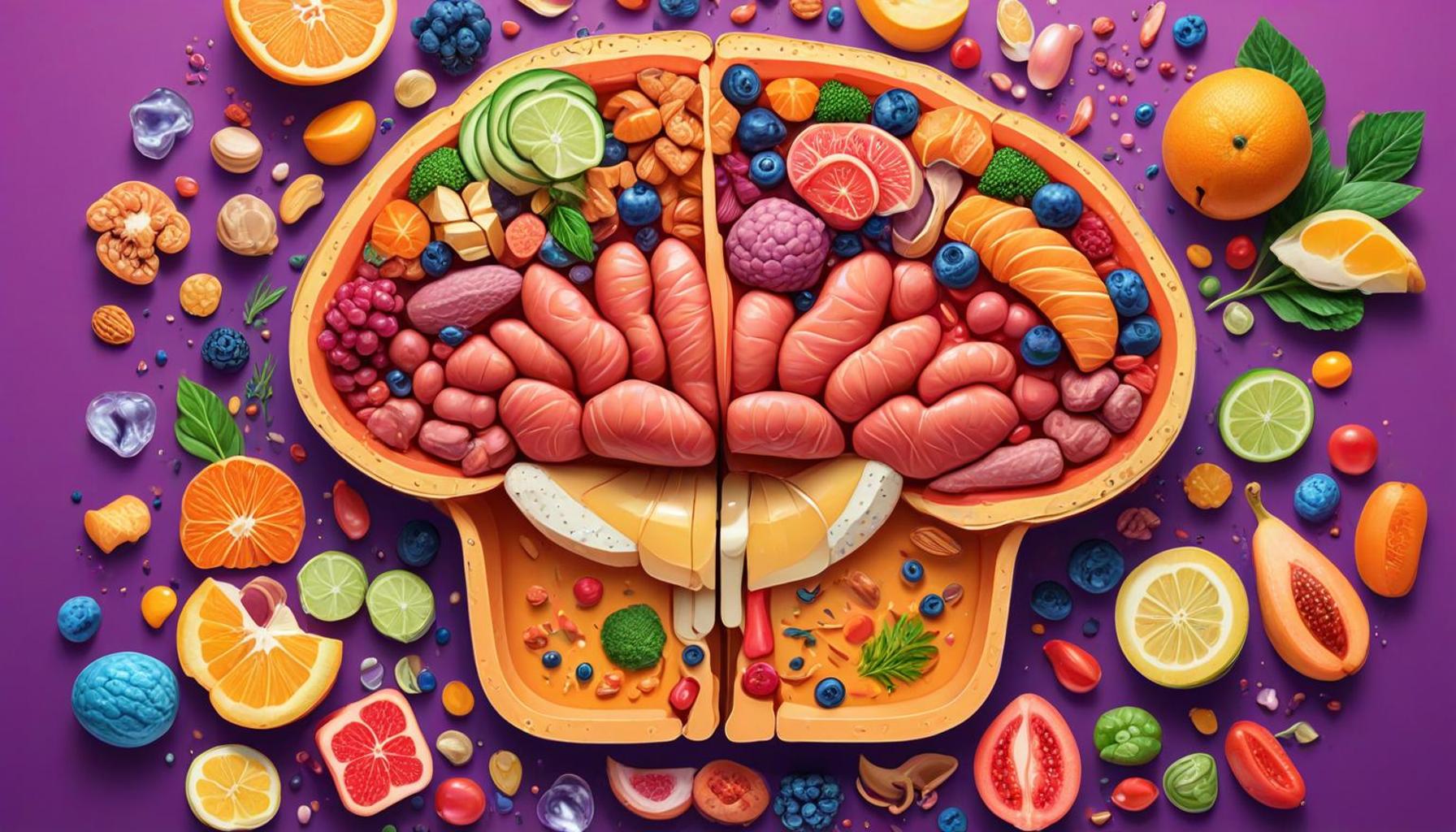
The Importance of Omega-3 Fatty Acids in Modern Nutrition
In an era marked by an increasing focus on mental clarity and emotional well-being, the nutritional benefits of Omega-3 fatty acids have come to the forefront of dietary health discussions. These essential fats are not merely a trend; they form a critical component of our overall health, influencing not just our physical well-being but also playing a significant role in enhancing brain function and regulating mental health.
The Science Behind Omega-3s
Research has increasingly indicated that diets abundant in Omega-3s can yield numerous cognitive benefits. Studies show that individuals who consume Omega-3-rich diets are more likely to experience:
- Improved cognitive function: Omega-3s are integral to the structure of neuronal membranes, influencing brain signals and memory. This can lead to quicker thinking and better problem-solving skills.
- Reduced symptoms of depression and anxiety: Omega-3s may contribute to healthier neurotransmitter function, which is crucial in regulating mood. Some scientific studies have observed a decrease in depressive symptoms in individuals who increased their Omega-3 intake.
- Enhanced memory retention: The fatty acids have been linked to improved memory performance, aiding both short-term recollection and long-term retention.
Sources of Omega-3 Fatty Acids
Finding sources of Omega-3 fatty acids is easier than many people realize. These healthy fats can be derived from a variety of food options, including:
- Fatty fish: Salmon, mackerel, sardines, and anchovies are not only delicious but also packed with Omega-3s. Consuming just two servings of fatty fish a week can significantly improve your intake.
- Nuts and seeds: Walnuts and flaxseeds are excellent plant-based sources. A handful of walnuts can provide nearly 2.5 grams of Omega-3s, making them a great snack with added health benefits.
- Plant oils: Flaxseed oil and canola oil make excellent dressings or cooking oils, offering a robust source of Omega-3s without the need for animal products.
Easy Ways to Integrate Omega-3s into Your Diet
Incorporating these foods into your daily meals can lead to *positive transformations* in mental acuity and emotional stability. Try adding a serving of grilled salmon alongside a salad topped with walnuts, or blending a smoothie with flaxseed for an extra nutritional boost. Not only can these modifications help enhance brain health, but they can also transform the way you feel overall.
Ultimately, the exploration of Omega-3-rich options reveals how simple dietary choices can contribute to maintaining and improving mental health. As the dialogue around nutrition deepens, understanding the multifaceted roles of Omega-3 fatty acids may encourage individuals to embrace these powerful nutrients in their daily lives, paving the way for a healthier future.
Unlocking the Benefits: How Omega-3s Fuel Your Brain
As research unfolds, the specific mechanisms through which Omega-3 fatty acids enhance brain function and mental health become increasingly clear. These powerful nutrients are not just regulatory actors; they are the building blocks of our brain cells. When consumed, Omega-3s foster neurogenesis, the process by which new neurons are formed, which is crucial for learning and memory. Additionally, they promote synaptic plasticity—the brain’s ability to adapt and strengthen its connections over time—which is vital for cognitive resilience.
Why Omega-3s Are Essential for Mental Health
The correlation between Omega-3 intake and mental health outcomes is robust and well-documented. A number of studies indicate that a deficiency in these fatty acids can lead to increased risks of mood disorders, cognitive decline, and even neurodegenerative diseases. For instance, the American Heart Association recommends at least two servings of fatty fish per week, highlighting both heart and brain benefits. In fact, a study published in the Journal of Clinical Psychiatry found that participants who supplemented with Omega-3s experienced a significant reduction in depressive symptoms compared to those who did not.
Key Sources of Omega-3 Fatty Acids
For those looking to improve their mental health and cognitive abilities through diet, incorporating Omega-3-rich foods is an essential step. Below are some of the top sources you can integrate into your daily meals:
- Fatty fish: Salmon, trout, and sardines are among the richest sources of Omega-3s. Not only do they provide these essential fats, but they also come loaded with high-quality protein and numerous vitamins. A mere 3.5-ounce serving of salmon can offer over 2,200 mg of Omega-3s.
- Nuts and seeds: Walnuts, chia seeds, and flaxseeds are fantastic for those on a plant-based diet. Chia seeds alone contain about 5,000 mg of Omega-3s per ounce, making them a nutritional powerhouse.
- Seaweed and algae: Particularly for vegetarians and vegans, these sources provide a unique way to gain Omega-3s in the form of alpha-linolenic acid (ALA). Products derived from algae oil are also rich in docosahexaenoic acid (DHA), a type of Omega-3 critical for brain and eye health.
By choosing to include these Omega-3-rich foods in your meals, you not only nourish your body but also significantly contribute to brain health and emotional stability. Small changes like swapping sunflower oil for flaxseed oil in salad dressings or adding a handful of walnuts to your morning yogurt can create a cumulative impact on your cognitive well-being. The dietary choices we make today may very well paint the landscape of our mental health tomorrow.
Integrating Omega-3s Into Your Daily Life
Embracing a diet rich in Omega-3 fatty acids can serve as a straightforward yet substantial approach to enhancing brain function and mental health. However, the challenge often lies in how to effectively incorporate these nutrient-dense foods into your daily meal plans. Here are some practical, engaging strategies to make Omega-3s a staple in your dietary repertoire.
Creative Culinary Applications
Eating foods rich in Omega-3s doesn’t have to be a mundane or overly complicated task. In fact, with a dash of creativity, you can elevate your dishes while providing your brain with the nourishment it craves. For instance, consider grilling a lemon-dill salmon fillet, which not only bursts with flavor but also infuses your meal with an impressive Omega-3 punch. You could also prepare a vibrant salad incorporating a variety of greens topped with walnuts and a flaxseed-oil dressing, delivering both texture and nutrition in every bite.
In addition to traditional meals, smoothies present an excellent opportunity to sneak Omega-3s into your diet. Adding chia seeds to your morning beverage or incorporating a spoonful of nut butter mixed with flaxseed in your smoothie can amplify its health benefits. For a novelty twist, try blending spinach, banana, and almond milk, alongside a tablespoon of chia seeds—delicious and nutritious without compromising on taste.
The Importance of Quality and Sustainability
As you diversify your diet with Omega-3s, paying attention to the quality and source of these foods is vital. Opting for wild-caught fish rather than farmed ones is generally recommended, as wild varieties often have higher Omega-3 concentrations and lower levels of contaminants. Additionally, allied with a growing awareness of sustainability, many brands now市場 products certified by organizations such as the Marine Stewardship Council (MSC), which guarantees responsible fishing practices.
For those who prefer plant-based sources or face dietary restrictions, ensuring the consumption of non-GMO and organic chia seeds or flaxseeds can also be beneficial. Keep in mind that while supplementation may serve as an alternative, it’s advisable to gain Omega-3s from food sources whenever possible. Whole foods offer a blend of nutrients that pills simply cannot replicate, providing a synergistic effect that enhances bioavailability and overall health.
Potential Challenges and Recommendations
Despite the myriad benefits, maintaining an Omega-3-rich diet comes with its challenges. For those with dietary restrictions, ensuring adequate intake requires planning. It is essential to monitor your Omega-3 status, particularly for individuals who may avoid fish or animal products. Seeking guidance from a healthcare provider or dietitian can clarify dietary choices and identify specific needs, making it easier to navigate challenges while ensuring adequate nutrient intake.
When making dietary changes, progress can be gradual. Start by implementing small changes—such as incorporating Omega-3-rich ingredients a few times a week—and progressively build upon them. You may find that as your palate adapts, these nutritional powerhouses blend seamlessly into your lifestyle, ultimately paving the way for enhanced cognitive function and improved mental health.
Conclusion
As we navigate the complexities of maintaining optimal brain function and mental well-being, it becomes increasingly clear that Omega-3 fatty acids are essential allies in our nutritional arsenal. These powerful nutrients, found in a variety of foods such as fatty fish, chia seeds, and walnuts, not only contribute to cognitive performance but are also implicated in reducing the risk of mood disorders. By embracing a diet rich in Omega-3s, individuals can take proactive steps toward enhancing their mental health.
However, integrating these foods into your daily life involves more than mere consumption; it requires a commitment to sustainability and quality. Prioritizing wild-caught fish and responsibly sourced plant-based alternatives is crucial in maximizing both health benefits and our planet’s health. Furthermore, addressing potential challenges—such as dietary restrictions—through careful planning and professional guidance can make all the difference in maintaining this nutritious diet.
Ultimately, adopting Omega-3-rich foods can lead to profound benefits not just for the brain, but for overall well-being. The journey toward better mental health begins with a single meal, and exploring the versatility of Omega-3 sources allows for creativity in the kitchen and joy in each bite. Therefore, whether you are a seasoned chef or a novice in the kitchen, make a conscious choice to infuse your diet with Omega-3s, embracing the opportunity to nourish both mind and body.
Related posts:
How Physical Exercise Can Reduce the Risk of Developing Neurodegenerative Diseases
How Probiotics Can Benefit Digestion and Improve Energy
Foods rich in vitamin D to keep bones and joints healthy
Tips for Improving Mental Health with Outdoor Exercise and Contact with Nature
How diet can improve heart health and reduce the risk of cardiovascular disease
Iron-rich foods to boost energy and combat fatigue

Linda Carter is a writer and wellness coach specializing in holistic health and personal well-being. With extensive experience helping individuals achieve balanced lifestyles and make informed health choices, Linda shares her expertise on our platform. Her goal is to empower readers with practical advice and sustainable strategies for lifelong wellness success.