Low-Impact Exercises to Stay Fit After 50 Your Ultimate Guide
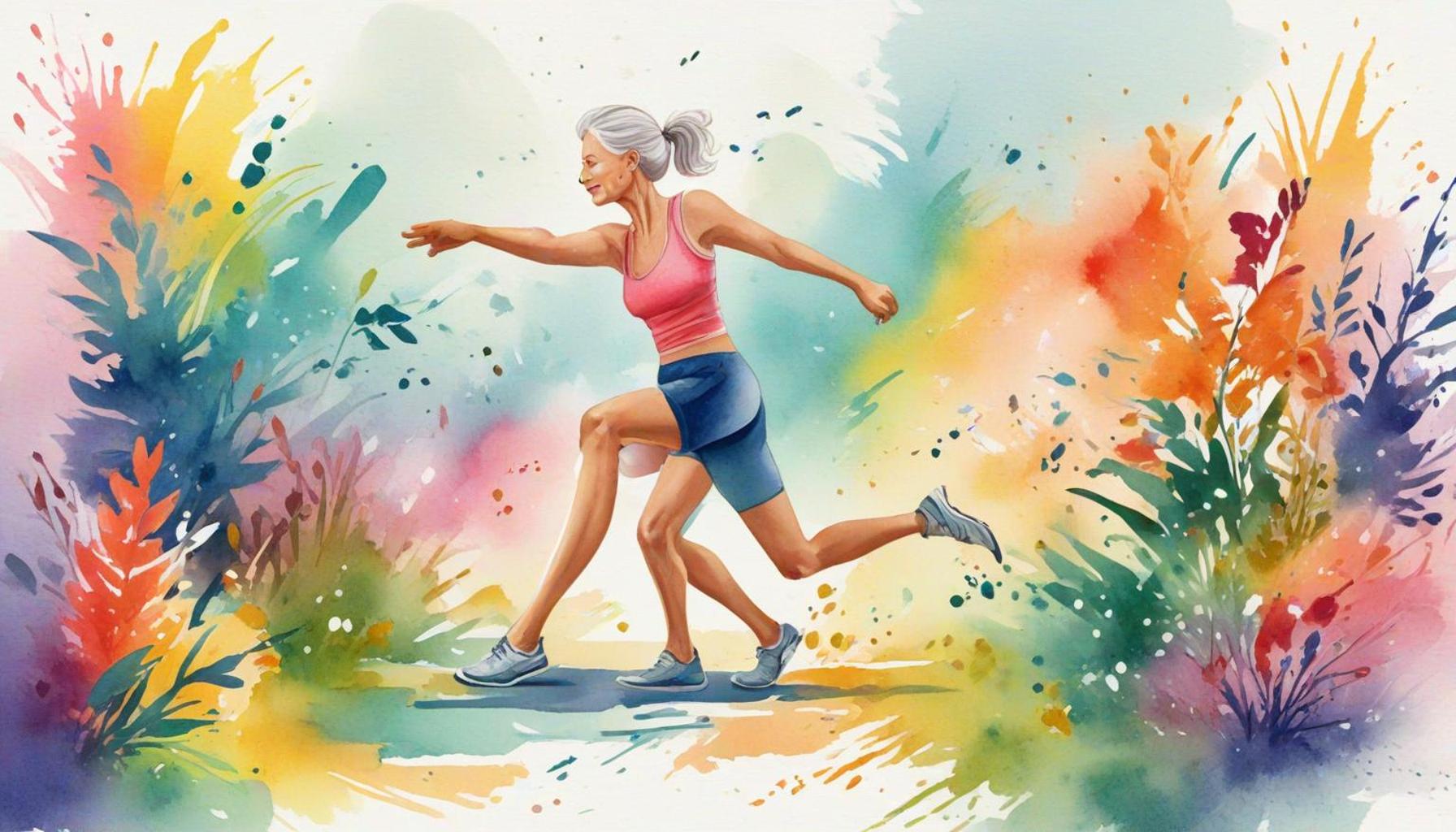
As the body ages, maintaining physical fitness becomes increasingly vital for overall well-being. Engaging in low-impact exercises offers a practical solution for those over 50, allowing them to stay active while minimizing the risk of injury. These gentle yet effective workouts can help boost strength, improve flexibility, and enhance cardiovascular health.
In a world where physical activity is often associated with high-energy workouts, low-impact options can sometimes be overlooked. However, with benefits ranging from increased mobility to improved mental health, incorporating these exercises into your routine is essential as you age. The right activities can lead to a more vibrant, healthy lifestyle.
In this article, we will explore the Top 5 low-impact exercises that are particularly suited for individuals over 50. Get ready to discover effective ways to enhance your fitness journey, while preserving joint health and ensuring long-term vitality.
Top 5 Low-Impact Exercises to Stay Fit After 50
As each year passes by, the urgency to maintain physical fitness becomes more pronounced, especially after the age of 50. Our bodies evolve, necessitating a more cautious approach to activities to circumvent injuries and minimize joint pain. Fortunately, low-impact exercises provide a plethora of benefits, including bolstering strength, enhancing flexibility, and fortifying cardiovascular health—all while being gentle on the body. This article delves into the top five low-impact exercises perfectly suited for those over 50, ranked from fifth to first, and offers insights that may inspire a new fitness journey.
5. Pilates
Pilates is more than just an exercise routine; it is a holistic approach to strengthening the core and improving overall body awareness. It places emphasis on controlled movements that hone alignment, breathing, and concentration—a crucial trifecta for those in their golden years.
Consider the transformation seen in individuals who have consistently engaged with Pilates post-50: they find their balance improved, reducing the likelihood of falls—a common concern among older adults. Pilates not only targets the core muscles for improved posture but also offers the gentle engagement of muscles to enhance flexibility and reduce injury risk. The adaptability of Pilates to individual fitness levels, whether in a class or through at-home practice, ensures that this exercise remains a versatile and inclusive option.
4. Swimming
Known for its soothing qualities and energetic benefits, swimming is often heralded as the quintessential low-impact exercise. Being in water creates buoyancy, supporting body weight and thereby preventing undue stress on the joints. This makes it an accessible option for those wary of traditional high-impact activities.
Imagine gliding through the water, feeling resistance yet freedom. Swimming offers joint protection by alleviating pressure, while simultaneously catering to cardiovascular health and muscle conditioning as water resistance builds muscle strength. Whether through lap swimming or engaging in water aerobics, the opportunities for a robust cardiovascular workout abound, all wrapped within an enjoyable social setting that encourages both fellowship and friendly competition.
3. Yoga
An ancient practice bewilderingly capable of providing modern benefits, yoga extends its gentle embrace to older adults through a blend of physical postures, meditation, and breathing techniques. This exercise goes beyond the physical, tapping into a world of mental clarity and emotional balance.
For those seeking tranquility, yoga offers significant merits: stress reduction through meditative practices becomes a prime benefit as it promotes mental health and aids emotional regulation. By tackling balance—an area naturally vulnerable to decline with age—yoga supports stability. Likewise, its focus on flexibility promotes the fluidity of movement and counters stiffness that might limit everyday activities. The gentle transition into poses reflects a graceful way to maintain fitness.
2. Walking
When simplicity meets efficacy, walking emerges as a go-to choice for many. As one of the most accessible forms of exercise, walking effortlessly integrates into daily life, be it through a leisurely stroll or more vigorous walks that challenge endurance levels.
Walking regularly extends numerous advantages: it significantly enhances cardiovascular health by lowering risks associated with heart disease and hypertension. Additionally, it proves to be a manageable technique for weight management. Importantly, community interaction through neighborhood walks or group participation cultivates social ties that can be as beneficial to mental health as the physical exercise itself. Walking invites you to explore the vibrant tapestry of seasons and landscapes—whether in urban sprawls or natural trails.
1. Cycling
Leading our list is cycling, a vibrant exercise that is both invigorating and gentle. Cycling’s rhythmic, smooth pedaling minimizes pressure on the knees and hips, appealing to those wary of joint strain. This activity offers an abundant range of benefits, suitable for varying fitness levels through adjustable intensity and duration.
The allure of cycling lies in its effect on endurance and cardiovascular conditioning, which can significantly improve over time. Beyond physical fitness, it fosters mental recreation—by cycling outdoors, you absorb natural surroundings or discover familiar locales from a fresh perspective. Whether mastered on a stationary bike or a ride through the neighborhood, cycling promises a journey where fitness is merely part of the package. Through engaging both mind and body, cycling champions a rewarding routine that embraces the body kindly.
Wrapping up this exploration into low-impact exercises, it becomes evident that age need not be a barrier to maintaining a dynamic lifestyle. From the core-strengthening wonders of Pilates to the adventurous spirit of cycling, each option offers distinct advantages to sustain a vibrant life after 50. Such exercises open a gateway to not just physical health but overall well-being, inviting all who partake to rediscover the joys of movement and vitality.
| Category | Key Features | Advantages | Disadvantages | Ideal Candidates |
|---|---|---|---|---|
| Flexibility Exercises | These include stretching routines that enhance joint mobility and reduce stiffness. | Improves range of motion, decreases the risk of injuries, and promotes better posture. | May require time to see significant results. Not challenging enough for some individuals. | People experiencing stiffness or those new to exercising. |
| Water Aerobics | Performed in a pool, these exercises utilize water resistance for strength training. | Low-impact on joints while effective for enhancing strength and endurance. | Access to a pool is necessary; may not be available in all areas. | Individuals with arthritis or joint pain. |
| Yoga | Focuses on controlled movements, balance, and breathing techniques. | Enhances mental clarity, reduces stress, and encourages overall well-being. | Can be difficult for those with limited mobility; some positions may be challenging. | Older adults interested in stress relief and mindfulness. |
| Walking | A simple and effective exercise that can be done at varying speeds and durations. | Promotes cardiovascular health, burns calories, and can be easily integrated into daily life. | Not sufficient alone for significant weight loss; outdoor conditions may limit accessibility. | Individuals looking for an easy way to maintain fitness. |
In understanding the range of low-impact exercises available for those over 50, it’s essential to recognize their suitability and benefits. Flexibility exercises, such as stretching routines, are critical for enhancing joint mobility and promoting better posture. They can significantly improve a person’s range of motion and decrease the risk of injuries, though they may not provide immediate results, thereby requiring patience and consistency.Water aerobics stands out as a favored option, leveraging the natural resistance of water to deliver an effective workout. This form of exercise is not strenuous on the joints, making it particularly beneficial for people with arthritis. However, the need for a pool can make access a barrier for some.Yoga offers a holistic approach, marrying physical activity with mindfulness.
Its benefits extend beyond physical health to mental clarity and reduced stress levels. Though some poses may be challenging for individuals with limited mobility, there are modifications available that make yoga inclusive.Lastly, walking remains one of the simplest yet impactful exercises anyone over 50 can adopt. It provides cardiovascular benefits and aids in weight management when combined with a balanced diet. However, environmental factors may sometimes pose limitations on this exercise.Such diverse options highlight the importance of choosing the right exercise by considering personal preferences, accessibility, and specific health needs. Exploring these avenues can pave the way to effective fitness maintenance in later life.
Frequently Asked Questions About Low-Impact Exercises After 50
What are the benefits of low-impact exercises for individuals over 50?
Low-impact exercises provide a range of benefits for those over 50. These exercises are gentle on the joints, reducing the risk of injuries, which is particularly important as flexibility and bone density tend to decrease with age. Additionally, they can help improve cardiovascular health, increase muscle strength, and enhance overall mobility. Incorporating these exercises into a routine can also contribute to better balance and coordination, which are crucial for preventing falls.
Can low-impact exercises still provide a good workout?
Absolutely! Although low-impact exercises may appear less intense, they can still offer an effective workout. The key is to focus on maintaining a higher level of intensity through prolonged periods. Activities like brisk walking, cycling, swimming, or yoga can help burn calories and improve fitness levels. Engaging in these exercises regularly can lead to substantial health benefits, including weight loss, improved endurance, and muscle toning.
How often should someone over 50 engage in low-impact exercises?
The frequency of exercise depends on individual fitness levels and health conditions. Generally, it’s recommended to aim for at least 150 minutes of moderate aerobic activity per week, which can be broken into 30-minute sessions over five days. It’s important to include a variety of activities to work different muscle groups and maintain well-rounded fitness. Consulting with a healthcare provider before starting any new exercise routine is advisable.
Are there specific low-impact exercises that are particularly beneficial for older adults?
Several low-impact exercises are especially advantageous for older adults. Walking is one of the simplest yet most effective forms of exercise, promoting cardiovascular health. Swimming offers a full-body workout without stress on the joints. Yoga and Tai Chi improve flexibility, balance, and mental well-being. Lastly, cycling is great for strengthening leg muscles and improving endurance. These activities can be adjusted to match personal fitness levels, making them ideal for maintaining health and vitality as we age.
Embracing Low-Impact Exercises After 50
As we wrap up our exploration of low-impact exercises for those over 50, it’s clear that maintaining an active lifestyle is achievable and beneficial at any age. The process of staying fit need not be strenuous to be effective. Focusing on low-impact activities provides a substantial advantage by minimizing the risk of injury while promoting overall well-being.
Key Takeaways
Throughout the article, we identified five primary types of low-impact exercises: walking, swimming, yoga, cycling, and pilates. Each offers unique benefits:
- Walking: A highly accessible activity that improves cardiovascular health and strengthens muscles, perfect for daily routines.
- Swimming: Provides a full-body workout that is gentle on the joints, enhancing flexibility and endurance.
- Yoga: Offers stress relief and improved balance, fostering both mental clarity and physical flexibility.
- Cycling: Strengthens the lower body while offering a cardiovascular boost with minimal joint strain.
- Pilates: Builds core strength and enhances posture, instrumental in maintaining a healthy spine and improved mobility.
The Importance of Staying Active
The health benefits of regular physical activity after 50 are substantial, ranging from enhanced heart health to improved mental acuity. Engaging in a routine that incorporates low-impact exercises can significantly elevate one’s quality of life. These activities not only preserve physical form but also support emotional and cognitive health, creating a balanced path to well-being.
In conclusion, the journey to maintaining fitness beyond 50 doesn’t stop with just these exercises; it’s an invitation to explore and adapt a lifestyle that respects your body’s needs while challenging its capabilities. The key is consistency and personal adaptation, ensuring that exercise remains a joyful and sustainable part of daily life. By prioritizing health and embracing a routine of low-impact activities, individuals can enjoy vitality and longevity, unlocking the potential for continual growth and happiness.
Related posts:
How regular yoga practice can improve flexibility and reduce stress
Benefits of brisk walking for mental and cardiovascular health
Exercises to Improve Balance and Prevent Falls in the Elderly
How to Stay Active and Healthy During Old Age
How to Choose the Right Type of Exercise to Combat Chronic Fatigue
Benefits of circuit training for increasing endurance and improving overall health

Linda Carter is a writer and wellness coach specializing in holistic health and personal well-being. With extensive experience helping individuals achieve balanced lifestyles and make informed health choices, Linda shares her expertise on our platform. Her goal is to empower readers with practical advice and sustainable strategies for lifelong wellness success.