How Diet Can Help Reduce Localized Fat and Improve Health
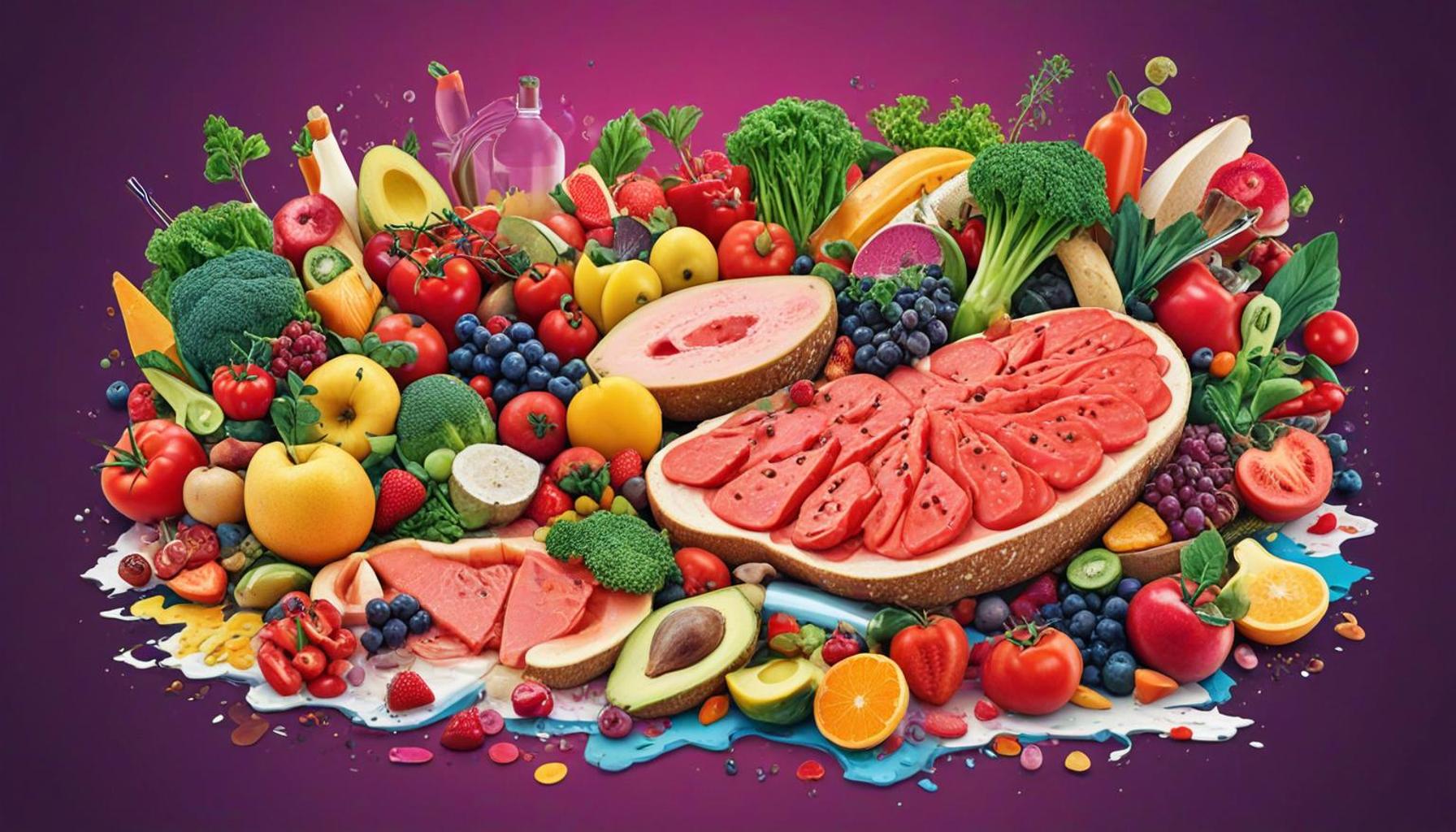
The Role of Nutrition in Combating Localized Fat
Localized fat can be a persistent challenge for many individuals, often manifesting in specific areas like the abdomen, thighs, or arms. This localized accumulation of fat can be disheartening, especially when traditional weight loss methods fall short. Interestingly, the solution may lie in the daily choices made at mealtimes. The impact of diet on fat reduction is profound, influencing not just appearance but overall health and well-being.
The foods we consume can play a pivotal role in aiding the shed of localized fat. For instance, incorporating whole grains into your meals is a strategic choice. Foods like quinoa, brown rice, and oatmeal are not just trendy; they are rich in fiber, which promotes feelings of fullness and significantly reduces cravings. This means that by choosing whole grains over their refined counterparts, individuals may find it easier to maintain a healthier weight and avoid those late-night snacking temptations.
Next on the plate are fruits and vegetables, which are the cornerstone of any sound diet aimed at fat reduction. These nutrient-dense foods are typically low in calories while boasting high levels of essential vitamins and minerals. For example, fruits like berries and vegetables such as spinach and kale are not only delicious but also stimulate metabolism and enhance overall bodily functions. Their fiber content also aids digestion and can lead to improved gut health—an often-overlooked factor in weight management.
Additionally, lean proteins play a crucial role in fat loss and muscle development. Incorporating sources such as chicken, turkey, fish, and legumes into your diet can help build muscle while promoting fat loss. Muscle tissue burns more calories than fat, even at rest, making it a critical component in the quest for overall fat reduction. Research suggests that meals high in protein can also lead to increased satiety, which may help decrease overall calorie intake.
Moreover, achieving the right balance of macronutrients is equally crucial. Studies demonstrate that the quality of carbohydrates consumed can significantly affect fat storage. Whole carbohydrates are preferable to refined ones, which can spike insulin levels and increase fat deposition. On the other hand, healthy fats—found in foods like avocados, olive oil, and nuts—are vital for maintaining a supple metabolism. These fats not only help absorb nutrients but can also enhance feelings of fullness, contributing to fewer cravings and better dietary adherence.
Lastly, adequate hydration cannot be overlooked. Drinking sufficient water is essential for optimal bodily functions, including fat metabolism. Studies have shown that even mild dehydration can hinder fat loss and magnify feelings of hunger. Simple yet effective practices, like drinking a glass of water before meals, can help regulate appetite and contribute to better weight management outcomes.
As this dialogue continues, it becomes clear that a thoughtfully structured diet can serve as a powerful tool against unwanted fat. Understanding the connections between diet, fat distribution, and health nurtures an informed approach to lifestyle changes. Therefore, it’s crucial to examine nutritional choices closely, as they not only influence how we look but also how we feel, ultimately paving the way to healthier living.
Nutrition Strategies for Targeted Fat Loss
Achieving a slimmer physique involves more than just calories in versus calories out; the quality and type of food consumed play an equally important role. To effectively reduce localized fat, it’s essential to consider how specific dietary choices can influence fat distribution and overall health. By understanding the intricate relationship between food and fat, individuals can adapt their eating habits to foster a healthier lifestyle.
One of the most effective strategies is the incorporation of nuts and seeds into the diet. These small powerhouses are packed with healthy fats, protein, and fiber, all of which can facilitate weight loss. For instance, studies indicate that a handful of almonds or chia seeds can contribute to a significant decrease in body fat percentage when integrated into a balanced diet. Their high satiety factor means that including them in meals or as snacks can help curb overeating, thereby promoting better weight management.
Another key player in the battle against localized fat is fermented foods. Yogurt, kefir, sauerkraut, and kimchi are more than just trendy additions to meals; they are rich in probiotics which can enhance gut health. A balanced gut microbiome is essential for optimal fat metabolism and has been linked to reduced fat accumulation, particularly in the abdominal area. By regularly consuming these nutrient-dense foods, individuals might find themselves not only feeling better but also seeing improvements in their waistlines.
To effectively maximize fat reduction, it is essential to prioritize antioxidant-rich foods as well. Foods such as berries, dark chocolate, and brightly colored vegetables like bell peppers and sweet potatoes have high antioxidant profiles that combat inflammation. Chronic inflammation can make it more difficult for the body to shed unwanted fat, especially in localized areas. By integrating these foods into the daily diet, individuals can support their body’s natural ability to metabolize fat while also enhancing their overall health.
The Power of Meal Timing
The timing of meals can be just as crucial as the food choices themselves. Recent research has suggested that eating smaller, more frequent meals throughout the day may be beneficial for fat loss. This approach can help stabilize blood sugar levels and prevent those dreaded energy crashes that often lead to unhealthy snacking. Some evidence indicates that aligning meal times with the body’s natural circadian rhythm, such as eating larger meals earlier in the day, can further assist in reducing localized fat accumulation.
- Whole grains: Quinoa, brown rice, and oats for sustained energy and fullness.
- Fruits and vegetables: Berries, spinach, and kale for fiber and nutrient content.
- Lean proteins: Chicken, turkey, and legumes to support muscle synthesis.
- Nuts and seeds: Almonds and chia seeds for healthy fats and satiety.
- Fermented foods: Yogurt and kimchi to promote gut health.
- Antioxidant-rich foods: Brightly colored veggies and fruits to combat inflammation.
This comprehensive approach to diet not only aids in reducing localized fat but also supports long-term health and well-being. Understanding the nuances of food choices and their specific benefits is vital in the journey towards a healthier lifestyle. By making intentional dietary adjustments, you can empower yourself to break free from the cycle of frustration often associated with fat loss.
Hormonal Balance Through Nutrition
In addition to specific food choices and meal timing, maintaining hormonal balance through diet is crucial for diminishing localized fat. Hormones such as insulin, cortisol, and leptin play significant roles in how the body stores and burns fat. For those seeking to reduce stubborn fat areas, a strategic approach to nutrition can help regulate these hormones effectively.
Low-glycemic foods are an essential part of this equation. High-glycemic foods, like sugary snacks and white bread, can lead to insulin spikes, which encourage fat storage, particularly around the abdomen. Incorporating foods that release glucose slowly, such as lentils, barley, and sweet potatoes, can help maintain stable insulin levels. This, in turn, supports the body’s ability to burn fat for energy rather than storing it.
Furthermore, healthy fats are vital for proper hormone function. Omega-3 fatty acids found in fish like salmon, as well as flaxseeds and walnuts, not only promote heart health but also aid in regulating cortisol levels. Chronic high cortisol levels, often linked to stress, have been shown to contribute to fat accumulation around the belly. Including omega-3-rich foods in your diet can help mitigate this effect and promote overall hormonal harmony.
The Role of Fiber in Fat Reduction
Fiber is another determinant in the quest to target localized fat. A diet high in soluble fiber can lead to a more significant reduction in visceral fat, which is the fat that wraps around essential organs. Foods like beans, oats, and avocados are excellent sources of soluble fiber that assist in slowing digestion and promoting a feeling of fullness, reducing the likelihood of overeating. Research has shown that increasing soluble fiber intake can help in hormonal balance by promoting the secretion of the satiety hormone, which can lead to fewer calorie intakes and less fat storage.
- Whole grains: Choose alternatives like farro and spelt instead of refined grains for better fiber content.
- Legumes: Beans, lentils, and chickpeas are not only high in fiber but also protein, making them excellent for weight loss.
- Fruits: Apples, berries, and pears can provide significant amounts of both soluble and insoluble fiber.
- Vegetables: Incorporating carrots, broccoli, and Brussels sprouts can add both fiber and vital nutrients.
- Seeds: Chia and flaxseeds are great sources of fiber and healthy fats that support digestive health.
The connection between stress and weight gain, particularly localized fat, is well-documented. By adopting a plant-based diet rich in whole foods, individuals can reduce stress levels while optimizing nutrition to aid in fat loss. Foods high in antioxidants, such as leafy greens, nuts, and fruits, can combat oxidative stress and support hormone regulation.
As individuals explore various nutritional strategies, it is essential to consider personalized dietary plans that may address unique health needs. Consulting with a registered dietitian can provide tailored insights and recommendations, ultimately guiding one towards a sustainable approach to diet that not only reduces localized fat but enhances overall health and wellness.
Conclusion
In summary, the journey to reducing localized fat and improving overall health is intricately tied to the dietary choices we make. By embracing a strategic nutritional approach, individuals can effectively influence their body’s hormonal balance, manage insulin levels, and promote fat burning rather than fat storage. The incorporation of low-glycemic foods and healthy fats, alongside a rich intake of soluble fiber, not only aids in combating stubborn fat areas but also fosters a healthier metabolism.
Moreover, the psychological aspect cannot be overlooked; a diet abundant in antioxidant-rich plant-based foods can combat stress and improve mood, creating a holistic approach to weight management. This interconnectedness of diet, hormonal health, and mental well-being elevates the importance of personalized nutrition plans. Individuals should consider establishing tailored diets that align with their unique health goals and lifestyles, leveraging the expertise of registered dietitians to optimize results.
As we continue to explore the evolving research on nutrition and its impact on fat reduction, it’s crucial to remain vigilant and informed. Each small dietary change contributes not only to aesthetic goals but significantly enhances our overall health. The path to reclaiming one’s health is paved with mindful choices, a commitment to nutritious foods, and an understanding of how our bodies respond to these changes. The journey may be challenging, but the rewarding outcomes are undeniably worth the effort.
Related posts:
Essential Foods and Nutrients to Enhance Performance in Endurance Training
Common Dietary Mistakes That Harm Longevity and Well-Being
Boost Joints Skin Naturally Collagen-Rich Foods Guide
Protein-rich foods for those who want to gain muscle mass
How Probiotics Can Benefit Digestion and Improve Energy
Iron-rich foods to boost energy and combat fatigue

Linda Carter is a writer and wellness coach specializing in holistic health and personal well-being. With extensive experience helping individuals achieve balanced lifestyles and make informed health choices, Linda shares her expertise on our platform. Her goal is to empower readers with practical advice and sustainable strategies for lifelong wellness success.