How diet can help prevent heart disease and improve cholesterol
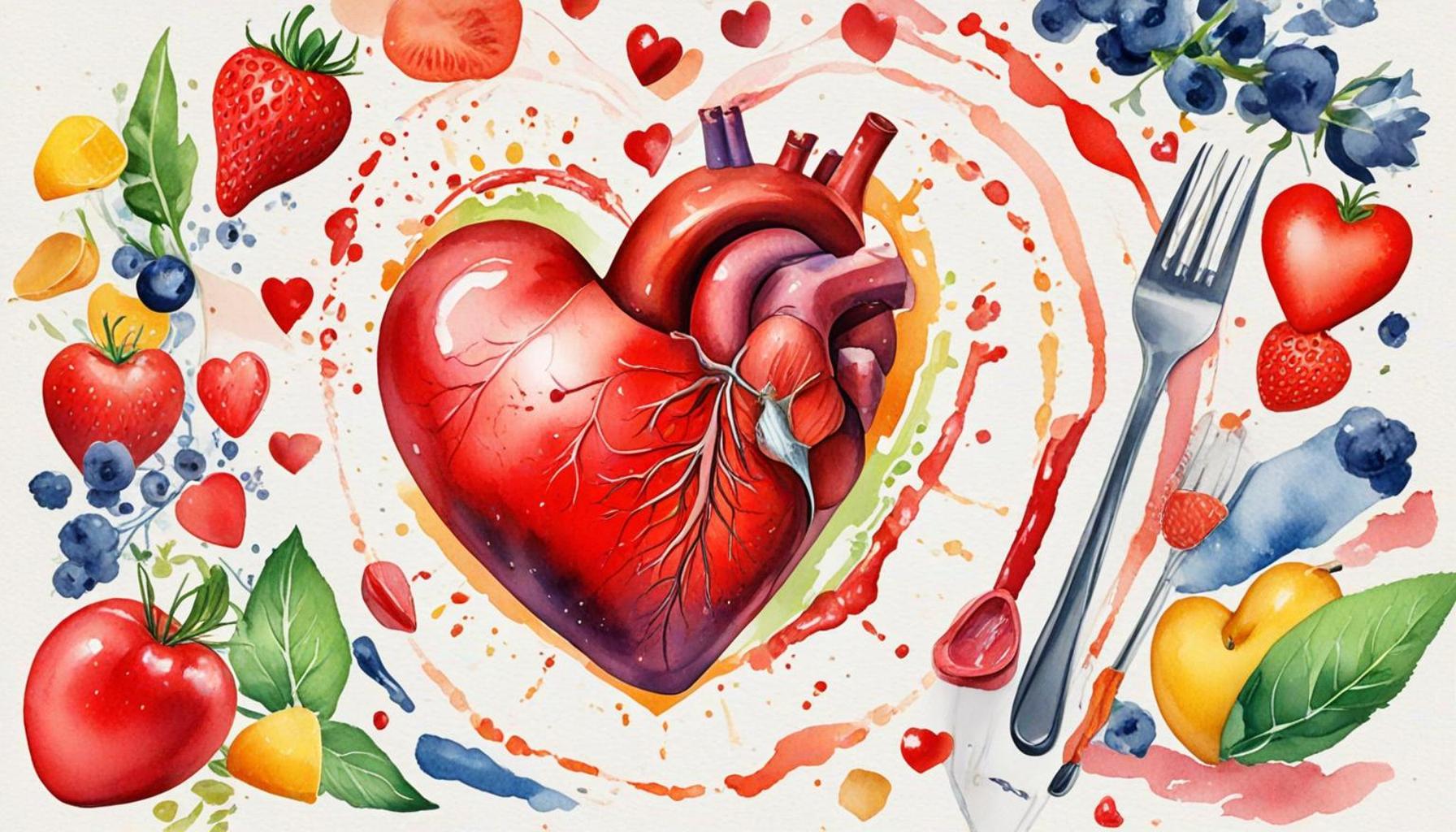
The Impact of Diet on Heart Health
Every year, heart disease claims the lives of approximately 697,000 individuals in the United States, making it a serious concern for many families. Despite these alarming statistics, there is promising news: the food we eat can play a pivotal role in reducing our risk of heart disease. By making conscious dietary choices, individuals can adopt a lifestyle that not only protects their heart but also promotes overall health and vitality.
A heart-healthy diet is characterized by several key components that work together to enhance cardiovascular function. The first component to explore is fruits and vegetables. These colorful foods are not just pleasing to the eye; they are packed with essential vitamins, minerals, and antioxidants, which combat oxidative stress and inflammation in the body. For instance, studies suggest that consuming a variety of fruits such as blueberries and vegetables like spinach can aid in lowering blood pressure and may contribute to decreased levels of LDL cholesterol, often referred to as “bad” cholesterol.
Whole Grains: A Heart-Friendly Staple
Whole grains are another cornerstone of a heart-healthy diet. Unlike refined grains, whole grains like oats, brown rice, and quinoa retain their bran and germ, providing fiber that helps to reduce cholesterol levels. The soluble fiber found in oats, for example, has been shown to lower total cholesterol levels by providing a gel-like substance that binds to cholesterol in the intestines, preventing its absorption. Incorporating whole grains into daily meals, such as opting for whole-grain bread over white bread, can have profound effects on heart health.
Lean Proteins and Healthy Fats
Lean proteins, including fish, poultry, and legumes, are vital for maintaining muscle mass and supporting bodily functions without the added saturated fats found in red meats. Fish, particularly fatty fish like salmon and mackerel, are rich in omega-3 fatty acids, known for their anti-inflammatory properties and ability to enhance heart health.
In addition to lean proteins, healthy fats are essential for a balanced diet. Foods such as avocado, nuts, and olive oil are excellent sources of monounsaturated fats, which can help raise high-density lipoprotein (HDL) or “good” cholesterol. In fact, research indicates that substituting saturated fats with healthy fats can lead to a significant reduction in heart disease risk.
Reducing Sugar and Salt
Equally important is the reduction of sugar and salt in one’s diet. High sugar intake is linked to obesity and metabolic syndrome, both of which significantly increase the risk of heart disease. In the same vein, excessive salt consumption can elevate blood pressure, which has a direct correlation with heart disease. By minimizing processed foods that contain high levels of sodium and added sugars, individuals can experience substantial improvements in heart health.
Empowering Our Choices
Research consistently supports the notion that a balanced, nutritious diet can lead to measurable health benefits. For example, the widely endorsed Mediterranean diet, rich in fruits, vegetables, whole grains, fish, and healthy fats, has been associated with a 30-40% reduction in the risk of heart disease. This underscores the profound impact of our food choices on our health outcomes.
As we navigate the complexities of nutrition, it is crucial to recognize that every meal is an opportunity to invest in our health. Understanding the importance of diet in managing heart disease may inspire individuals to make more informed food choices, ultimately enhancing their quality of life.
Nourishing the Heart: Key Dietary Components
Embracing a heart-healthy diet is not just about eating less; it’s about eating right. By prioritizing certain foods while minimizing others, individuals can create a dietary framework that actively works to lower their risk of heart disease and improve cholesterol levels. Understanding these dietary components is essential for making informed dietary choices that lead to long-term health benefits.
The Role of Antioxidants in Cardiovascular Health
The incorporation of antioxidant-rich foods into one’s diet cannot be overstated. These foods mitigate oxidative stress, a significant factor in the development of atherosclerosis—the hardening of arteries due to cholesterol build-up. Berries, in particular, such as strawberries, raspberries, and blackberries, are loaded with antioxidants that can help reduce the risk of heart diseases. A study from the American Heart Association highlighted that individuals who consumed more berries had lower levels of cholesterol and inflammation, leading to better heart health.
Fruits and Vegetables: Natural Protectors
The importance of fruits and vegetables extends beyond their vibrant colors. They are integral to a heart-healthy diet due to their high fiber content, vitamins, and minerals. Fiber is especially important, as it can help lower LDL cholesterol levels. Aim for a diverse palette on your plate by incorporating:
- Leafy greens such as kale and collard greens
- Citrus fruits like oranges and grapefruits
- Cruciferous vegetables such as broccoli and Brussels sprouts
- Apples and pears, which are packed with soluble fiber
It’s recommended to fill half of your plate with these nutrient-dense options at every meal to maximize heart health benefits.
A Closer Look at Fat Sources
While fats have long been demonized in dietary discourse, it is essential to distinguish between healthy fats and their harmful counterparts. Saturated and trans fats, predominantly found in red meats, butter, and processed foods, can elevate cholesterol levels. In contrast, unsaturated fats can work wonders for heart health. Key sources of healthy fats include:
- Avocados, which provide monounsaturated fats
- Olive oil, praised for its heart-protective properties
- Nuts and seeds, which offer omega-3 fatty acids
Research indicates that the Mediterranean diet, characterized by these heart-friendly fats, has been correlated with reduced instances of heart disease.
The Power of Plant-Based Choices
Transitioning to a more plant-based diet can offer profound health benefits. Studies have shown that individuals who primarily consume plant-based foods—rich in legumes, whole grains, and healthy fats—experience lower rates of cardiovascular disease. A landmark study published in the Journal of the American College of Cardiology revealed that participants who increased their intake of plant-based foods significantly improved their cholesterol and blood pressure readings.
As awareness grows around the critical role of diet in preventing heart disease, individuals are encouraged to harness the power of these healthy foods to take charge of their cardiovascular wellness. By understanding and implementing these dietary strategies, it is possible to pave the way for a healthier heart and a more vibrant life.
Building a Heart-Healthy Lifestyle Beyond Food
While the right foods are crucial for a heart-healthy diet, maintaining overall lifestyle changes is equally vital for bolstering cardiovascular wellness. Coupling dietary modifications with other healthy habits can create a powerful defense against heart disease. Let’s explore how lifestyle choices beyond diet can enhance heart health.
Portion Control and Mindful Eating
Understanding the importance of portion control plays a significant role in managing weight and, consequently, heart health. Overeating—even healthy foods—can lead to unwanted weight gain, which is a risk factor for heart disease. Techniques such as using smaller plates, or practicing mindful eating—where individuals focus on their food and acknowledge their hunger cues—can aid in controlling portion sizes and preventing overeating. Research has shown that people who eat mindfully are more likely to make healthier food choices, ultimately benefiting their heart.
The Impact of Added Sugars
Beyond fats and calories, added sugars are a hidden enemy in many American diets. Found in sugary drinks, candies, and processed snack foods, excessive sugar consumption can lead to obesity, inflammation, and poor cholesterol levels. The American Heart Association recommends limiting added sugars to no more than 6 teaspoons (25 grams) for women and 9 teaspoons (37.5 grams) for men per day. By cutting back on sugary beverages and desserts, individuals can mitigate the risks associated with heart disease. Instead, focusing on naturally sweet options like fruits can satisfy sugary cravings without the detrimental health effects.
The Importance of Regular Physical Activity
A heart-healthy diet should be complemented by regular physical activity, which can significantly lower cholesterol levels and improve cardiovascular health. The American Heart Association recommends at least 150 minutes of moderate aerobic activity or 75 minutes of vigorous activity each week for adults. Engaging in activities such as brisk walking, cycling, or swimming can help raise HDL (good cholesterol) and lower LDL (bad cholesterol). Moreover, exercise promotes weight management and lowers blood pressure, creating a multifaceted approach to heart disease prevention.
Hydration: A Critical Yet Overlooked Component
Proper hydration is an often-overlooked yet important factor in maintaining overall health, including heart health. The heart requires adequate fluid intake to pump blood effectively and maintain optimal circulation. Water aids in transporting nutrients throughout the body, combating feelings of fatigue and lethargy that can deter physical activity. Aim to drink at least eight 8-ounce glasses of water daily, adjusting based on activity levels and environmental factors.
Managing Stress Through Dietary Choices
Another critical aspect of heart health is stress management. Chronic stress can contribute to unhealthy eating habits, irregular eating patterns, and even increased blood pressure. Diet plays a crucial role in stress management; foods rich in omega-3 fatty acids, such as salmon, walnuts, and flaxseeds, can help regulate cortisol—an essential stress hormone. Incorporating practices such as yoga or meditation alongside a balanced diet can further reduce stress levels, creating a synergistic effect on heart health.
As individuals explore these various facets of health, it becomes clear that diet is merely one piece of the puzzle. Creating a comprehensive strategy that includes mindful eating, regular exercise, proper hydration, and stress management can lead to lasting improvements in heart health and cholesterol levels.
Conclusion: A Holistic Approach to Heart Health
In a world where heart disease remains one of the leading health concerns in the United States, adopting a heart-healthy diet is increasingly critical. The insights shared in this article highlight that while food choices are paramount, they must be part of a broader lifestyle strategy aimed at fostering cardiovascular well-being. By embracing portion control, limiting added sugars, and engaging in regular physical activity, individuals can significantly impact their heart health and cholesterol levels.
The importance of hydration and effective stress management also cannot be understated. Staying properly hydrated ensures that the heart functions efficiently, while nutritious foods can ameliorate stress, further contributing to heart wellness. As we incorporate these various elements into our daily lives, it becomes clear that heart disease prevention is within reach.
Ultimately, a holistic approach that combines dietary changes with lifestyle modifications can empower individuals to take charge of their health. By learning more about their dietary choices and adopting sustainable, heart-friendly habits, people can not only improve their cholesterol levels but also enhance their quality of life. For those looking to dive deeper, consulting with healthcare professionals or nutritionists can provide personalized guidance tailored to specific needs. The journey to heart health is continuous, and the benefits of such a proactive approach are both profound and rewarding.
Related posts:
How to Adapt Your Diet to Improve Exercise Performance
How post-workout nutrition can optimize muscle recovery and improve results
How diet can improve heart health and reduce the risk of cardiovascular disease
Omega-3 Rich Foods to Enhance Brain Function and Mental Health
How Nutrition Can Improve Athletic Performance in Endurance Sports
How to Create a Pre-Workout Meal That Optimizes Your Performance

Linda Carter is a writer and wellness coach specializing in holistic health and personal well-being. With extensive experience helping individuals achieve balanced lifestyles and make informed health choices, Linda shares her expertise on our platform. Her goal is to empower readers with practical advice and sustainable strategies for lifelong wellness success.