Exercises to Increase Strength and Endurance in Mature Women
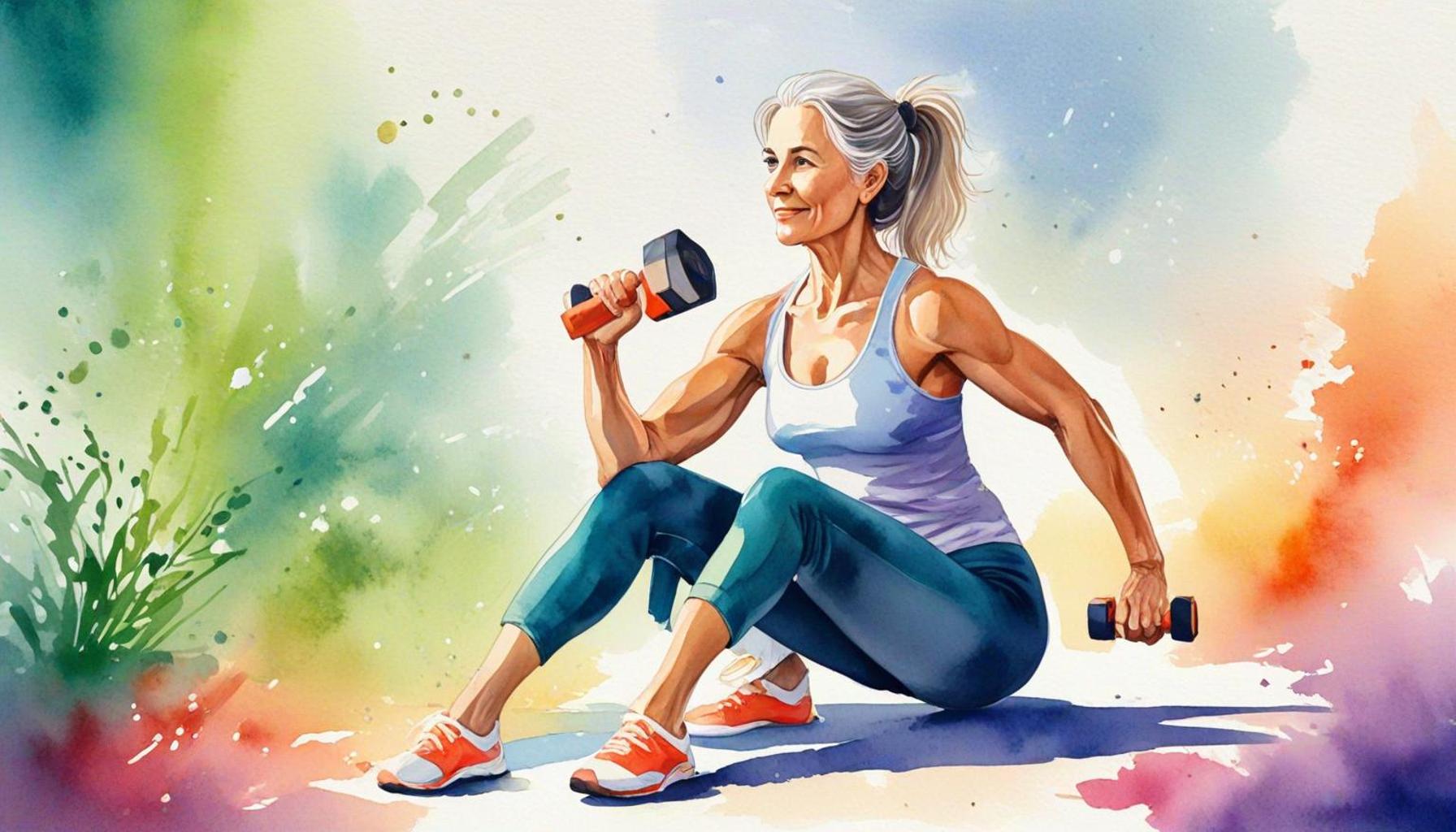
The Importance of Fitness in Aging
As women journey through various life stages, the significance of maintaining physical fitness becomes even more pronounced. It’s not merely about staying active; engaging in regular exercise can profoundly impact overall quality of life, making a difference in everything from energy levels to mental health.
One of the most troubling aspects of aging is muscle loss, a process known medically as sarcopenia. This decline not only alters appearance but can also affect mobility and independence. Hence, improved muscle tone through strength training is essential. Exercises such as weight lifting, resistance bands training, or bodyweight exercises like squats and push-ups can effectively combat this issue. Notably, research conducted by the National Institutes of Health advocates that women can slow or even reverse muscle loss by engaging in resistance training just two to three times per week.
In addition, the pursuit of enhanced endurance through cardio workouts cannot be overstated. Activities like walking, cycling, or swimming improve heart health, increase lung capacity, and boost stamina, making daily tasks easier and more enjoyable. The American Heart Association recommends at least 150 minutes of moderate aerobic exercise per week, an accessible goal that contributes immensely to cardiovascular fitness.
Another vital consideration is bone health, particularly pertinent for women due to the increased risk of osteoporosis as they age. Engaging in weight-bearing exercises—such as dancing, hiking, or using elliptical machines—plays a critical role in maintaining bone density. It encourages bones to uptake calcium and fosters strength in the musculoskeletal system, reducing the risk of fractures.
Aside from the physical benefits, the mental health advantages of regular physical activity are compelling as well. Studies indicate a strong connection between exercise and improved mental well-being, with physical activity linked to reduced anxiety and depression levels. Exercise stimulates the production of endorphins, often dubbed “feel-good” hormones, leading to improved mood and cognitive function.
To keep fitness routines enjoyable and engaging, it’s wise to incorporate a variety of workouts. This approach not only prevents monotony but also minimizes the risk of injury by ensuring that different muscle groups are engaged. Whether it’s the tranquil flow of yoga, the dynamic movements of dance fitness, or the simplicity of walking in a local park, there is truly something for everyone.
While overwhelming for newcomers, embarking on a fitness journey is less daunting with careful planning and personalization. Tailoring an exercise regimen to fit personal goals and existing medical conditions is paramount in maximizing benefits and ensuring safety.
In summary, building strength and endurance through comprehensive exercise programs is a pathway to enhancing vitality and longevity. By equipping themselves with knowledge and engaging in diverse physical activities, mature women can embark on a fulfilling journey toward better health, well-being, and independence.
Building Blocks of Strength Training
To achieve optimal health outcomes as women age, strength training emerges as a pivotal component of their fitness regimes. Not only does it counteract the loss of muscle mass, but it also enhances overall body functionality—making everyday tasks easier and promoting a sense of empowerment.
Strength training comes in various forms, appropriate for all fitness levels. Below are some effective exercises that mature women can incorporate into their routines:
- Weightlifting: Using free weights or machines can help build muscle and strength. Starting with lighter weights and gradually increasing as comfort grows is advisable.
- Bodyweight Exercises: Movements such as squats, lunges, and push-ups can be easily performed anywhere and require no equipment, making them accessible and effective.
- Resistance Bands: These versatile tools are excellent for enhancing strength and can be adjusted for varying levels of difficulty, providing ample challenge without risking injury.
- Pilates: This low-impact exercise focuses on core strength, flexibility, and body awareness, which can benefit overall physical health.
- Yoga: Beyond its mental health benefits, yoga increases strength, balance, and flexibility, helping to prevent falls—a common concern in older adults.
Studies indicate that engaging in strength training at least two to three times per week significantly aids in reversing the effects of sarcopenia. According to a study published in the Journal of the American Geriatrics Society, elderly women who participated in resistance training over six months showed a marked increase in muscle mass and strength versus those who did not. Thus, consistency in strength training is key to reaping tangible benefits.
Emphasizing Cardiovascular Exercise
While strength training is vital, cardiovascular exercise complements it by enhancing endurance and heart health. Activities that elevate the heart rate improve not only stamina but also promote better circulation and respiratory function. Incorporating the following cardiovascular activities can be beneficial:
- Walking: A simple yet effective way to boost cardiovascular strength. Aim for brisk walking for at least 30 minutes, five times a week.
- Cycling: Whether on a stationary bike or outdoors, cycling is an excellent low-impact way to increase heart health.
- Swimming: The buoyancy of water reduces stress on joints while providing a comprehensive workout for the entire body.
- Dancing: Joining a class or simply dancing at home offers a fun way to enhance endurance while socializing.
The Centers for Disease Control and Prevention (CDC) recommends that adults, including older women, engage in at least 150 minutes of moderate-intensity aerobic activity weekly. This can be approached by combining shorter bouts of exercise throughout the week, making it easier to integrate into busy schedules.
It is important to listen to one’s body and adjust activities accordingly to avoid overexertion. Gradually increasing intensity and duration can lead to safer and more effective results. Combining strength training with cardiovascular pursuits not only maximizes physical benefits but also contributes to a healthier lifestyle and enhanced longevity.
Combining Flexibility and Stability Training
Beyond strength and cardiovascular exercises, flexibility and stability training play an equally crucial role in promoting overall well-being in mature women. These dimensions not only enhance the body’s functional capacity but also mitigate the risk of injury, ensuring a well-rounded fitness approach.
Flexibility training helps to maintain the range of motion in joints, which is essential for everyday activities. As flexibility tends to decline with age, incorporating specific exercises can help preserve mobility. Here are some effective flexibility exercises:
- Static Stretching: Holding stretches for major muscle groups such as hamstrings, quadriceps, and shoulders for 15-30 seconds can improve overall flexibility. It is advisable to perform these stretches post-workout during the cool-down phase.
- Dynamic Stretching: Engaging in controlled movements, such as arm circles and leg swings, prepares muscles for more rigorous activities and enhances movement efficiency.
- Foam Rolling: This self-myofascial release technique can alleviate muscle tightness, improve flexibility, and aid recovery. Spending a few minutes rolling over sore areas can significantly enhance performance in subsequent workouts.
Furthermore, stability training is vital for maintaining balance and coordination, which tend to decline with age and can lead to falls. Exercises that emphasize core stability and proprioception are essential. Consider adding the following exercises to your regimen:
- Balance Exercises: Stand on one leg or perform single-leg deadlifts to challenge the stabilizing muscles of the core and lower limbs.
- Stability Ball Workouts: Utilizing a stability ball for movements like ball squats or seated balance can uniquely engage core muscles while improving balance.
- Tai Chi: This ancient martial art focuses on slow, deliberate movements and deep breathing, enhancing both balance and flexibility through consistent practice.
Integrating flexibility and stability training into the weekly routine not only supports strength and endurance but also provides a holistic approach to fitness that is especially beneficial for mature women. Research from the Journal of Aging and Physical Activity highlights that engaging in balance and flexibility exercises at least twice a week can drastically reduce the likelihood of falls among older adults, a significant concern in this demographic.
Nutritional Support for Enhanced Performance
Beyond exercise, nutrition plays a vital role in supporting strength and endurance. A well-balanced diet rich in essential nutrients can amplify the benefits of any fitness program. Mature women should focus on the following:
- Protein Intake: Adequate protein is crucial for muscle repair and growth. Sources like lean meats, beans, legumes, and low-fat dairy should be incorporated into every meal.
- Vitamins and Minerals: Nutrients like calcium and vitamin D are critical for bone health, while antioxidants from fruits and vegetables aid in recovery. Incorporating a colorful variety of produce can ensure you receive a range of vitamins.
- Hydration: Staying hydrated is vital, particularly when engaging in strenuous activity. Consider drinking water before, during, and after workouts to maintain optimal hydration levels.
Ultimately, a synergy between physical activities and mindful nutrition can create a robust foundation for improved strength and endurance. By prioritizing these components, mature women can enhance their fitness levels, boost confidence, and cultivate a proactive approach to healthy aging.
Empowering Strength and Endurance through Holistic Practices
In conclusion, cultivating strength and endurance in mature women hinges on a comprehensive approach that combines various exercise modalities, including strength training, cardiovascular activities, flexibility, and stability exercises. By engaging in a well-rounded fitness regimen, mature women not only enhance their physical capabilities but also promote mental well-being and emotional health. The integration of flexibility and core stability training is particularly vital, as it addresses balance and mobility, crucial factors in preventing falls and facilitating daily activities.
Furthermore, the role of nutrition cannot be overstated. Ensuring an adequate intake of protein, vitamins, and minerals is essential for supporting physical activity and recovery. With a focus on a nutrient-dense diet, mature women can maximize the benefits of their workout routines and adapt more efficiently to the physical demands placed on their bodies.
As research indicates, making fitness a consistent part of one’s lifestyle can yield significant health benefits, including improved bone density, enhanced cardiovascular health, and even a decrease in the risk of chronic diseases. Thus, prioritizing strength and endurance exercises, in conjunction with mindful nutrition, creates a powerful framework for aging healthily and gracefully.
By embracing these practices, mature women can navigate the challenges of aging with resilience, confidence, and vitality. It’s never too late to start; every step taken toward a stronger, more enduring body is a step closer to a fulfilling, empowered life. Let the journey toward strength and endurance be a testament to the vibrant capabilities of every woman, inspiring others to join in seeking endless possibilities.
Related posts:
How food can help combat bloating and improve digestion
How to Maintain Healthy Mental Health Through Regular Physical Exercise
Benefits of strength training for women over 40
How Healthy Eating Can Fight Premature Aging
Top Anti-Inflammatory Foods for a Long Healthy Life
How outdoor activities can improve physical and emotional health

Linda Carter is a writer and wellness coach specializing in holistic health and personal well-being. With extensive experience helping individuals achieve balanced lifestyles and make informed health choices, Linda shares her expertise on our platform. Her goal is to empower readers with practical advice and sustainable strategies for lifelong wellness success.