Exercises to Improve Flexibility and Reduce Daily Muscle Tension
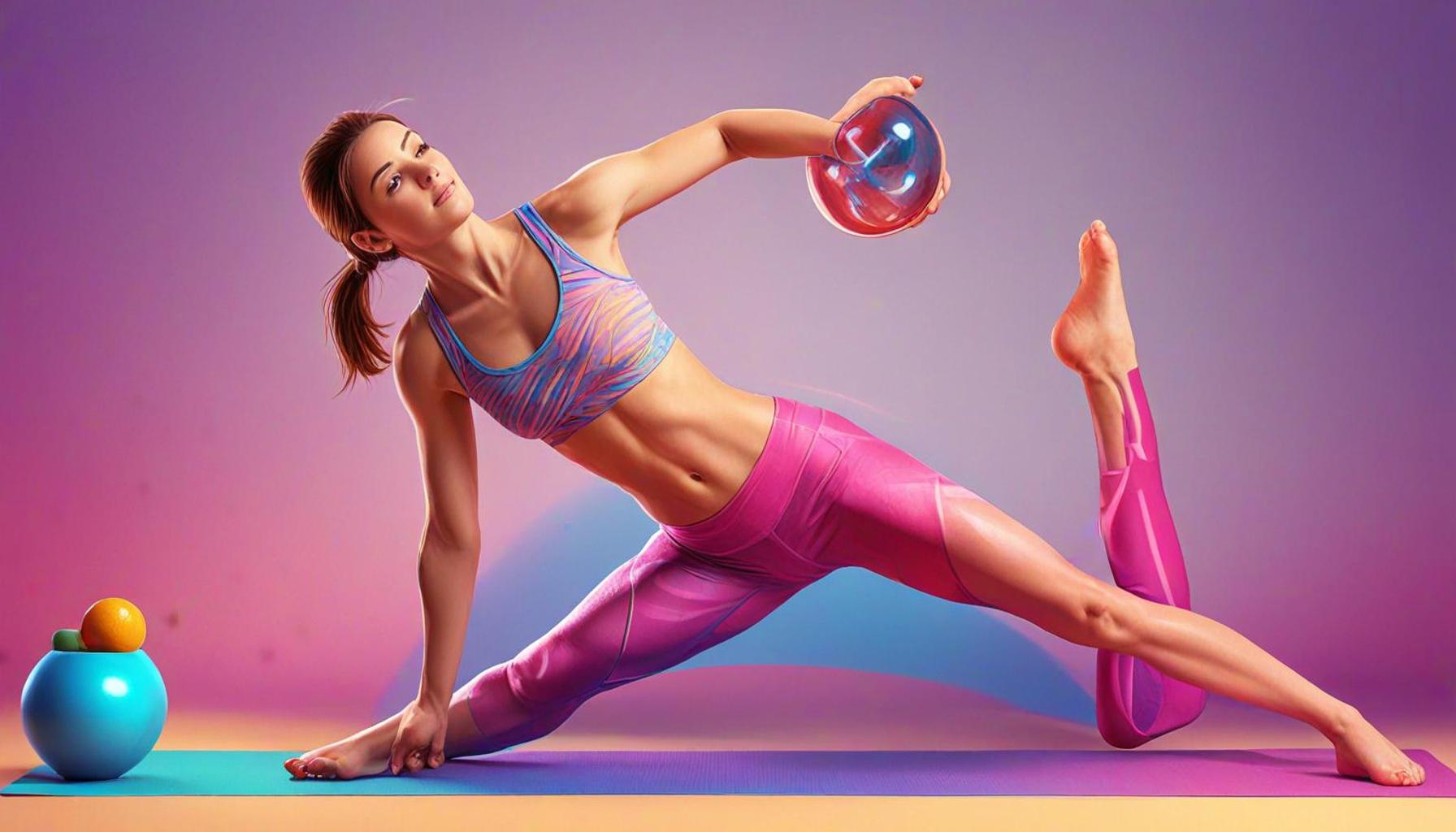
The Importance of Flexibility and Muscle Relaxation
In a culture characterized by bustling schedules and relentless demands, it’s not surprising that many individuals find themselves plagued by muscle tension and stress. The primary culprits often include long hours spent seated at desks, poor postural habits, and the need to juggle various responsibilities. In response to these challenges, people can discover a pathway to relief that is both effective and straightforward: incorporating dedicated flexibility exercises into their daily routines.
Flexibility should not be perceived as a domain exclusive to athletes; rather, it plays a crucial role in our everyday well-being. For instance, improved flexibility enhances the range of motion, enabling individuals to perform daily tasks with greater ease. This is particularly relevant for activities as simple as bending to tie shoelaces or reaching for the top shelf in the kitchen.
The benefits don’t stop there. A commitment to enhancing flexibility also contributes to a reduced risk of injuries. This is especially important for those engaging in physical activities—from weekend warriors to avid gym-goers. Stretching helps prepare the muscles for exertion, diminishing the likelihood of strains and sprains. Furthermore, improved posture, which can be achieved through dedicated stretching routines, not only boosts confidence but also reduces discomfort associated with prolonged sitting.
Moreover, flexibility exercises are essential in alleviating muscle tension that accumulates due to repetitive movements and pervasive stress. Dedicating just a few minutes each day can significantly enhance blood circulation, which is vital for muscle recovery and overall health. Lowering stress levels is another noteworthy benefit; the act of stretching releases endorphins, the body’s natural stress relievers, contributing to improved mental well-being.
Quality relaxation and sleep are additional rewards garnered from a focus on flexibility. Many people struggle with insomnia or restless nights, often stemming from muscle tightness or stress. Implementing a simple stretching routine before bedtime may facilitate a smoother transition into sleep, ensuring that one wakes refreshed and rejuvenated.
Understanding and practicing the right movements can greatly enhance one’s ability to cope with the physical demands of daily life. For instance, incorporating stretches such as the hamstring stretch, shoulder rolls, and butterfly stretch can help target specific areas of tension and promote overall flexibility. As we delve further into effective exercises designed to improve flexibility and release muscle tension, readers are encouraged to consider how these practices can transform their approach to daily activities.
Staying flexible is more than just a physical benefit—it is a holistic approach to enhancing one’s quality of life. So, let’s embark on this journey of exploration and discover how simple yet profound changes can foster resilience against the stresses of modern living.
Discovering Effective Flexibility Exercises
When it comes to improving flexibility and alleviating daily muscle tension, the choices are numerous, ranging from simple stretches to more dynamic movements. Engaging in a regular stretching routine can distinguish between feeling stiff and enjoying enhanced mobility. Below are several key exercises that have proven effective for both improving flexibility and reducing muscle tension:
- Hamstring Stretch: This classic stretch targets the muscles along the back of the thigh, which often tighten due to prolonged sitting or physical exertion. To perform, stand tall and extend one leg straight in front of you with the heel on the ground. Reach toward your toes to feel a gentle pull in the back of your thigh. Hold for 15-30 seconds and switch legs.
- Shoulder Rolls: This exercise helps release tension in the upper body, particularly in the shoulders and neck. Simply stand or sit up straight, and roll your shoulders forward in a circular motion five times, then roll them backward for the same count. This invigorating movement increases blood flow and reduces stiffness.
- Butterfly Stretch: Perfect for opening up the hips, this stretch allows for greater movement in daily activities. Sit on the ground and bring your feet together, allowing your knees to fall to the sides. Gently press your knees toward the floor while leaning forward slightly to deepen the stretch. Hold this position for 20-30 seconds.
- Cat-Cow Stretch: This dynamic stretch not only improves flexibility but also enhances the connection between breath and movement. Begin on your hands and knees. As you inhale, arch your back and look up (Cow), then as you exhale, round your back and tuck your chin to your chest (Cat). Repeat this flowing sequence several times, synchronizing your movements with your breath.
- Child’s Pose: An excellent way to release tension in the back and shoulders, Child’s Pose is a restorative position. Start on your hands and knees, then sit back on your heels and extend your arms forward, resting your forehead on the floor. Hold for as long as you feel comfortable to promote relaxation.
Incorporating these stretches into your daily routine is a manageable first step toward enhancing your flexibility. You don’t need a gym or special equipment; just a few minutes each day in a comfortable and quiet space can yield remarkable benefits.
Understanding the underlying factors that contribute to tight muscles can further enhance the benefits of these stretches. Factors such as stress, improper posture, and lack of physical activity can lead to chronic tension. By addressing these concerns through targeted stretching, you can create a more balanced and relaxed body.
Incorporating flexibility exercises doesn’t have to be a daunting task. Consider integrating them into your morning routine or as a way to unwind after a long day. By doing so, you can gradually cultivate a more flexible body while simultaneously fostering a sense of calm amidst the demands of everyday life.
The Role of Dynamic Movements and Mindful Practices
In addition to static stretches, incorporating dynamic movements and mindful practices can significantly enhance flexibility and alleviate muscle tension. Engaging in these activities not only provides physical benefits but also encourages mental clarity and emotional balance. Here are a few dynamic exercises and practices worth considering:
- Yoga: Yoga is a holistic practice that combines postures, breathing exercises, and meditation. Many different yoga styles focus on flexibility, such as Hatha or Yin Yoga, which emphasize long-held stretches. For instance, poses like Downward Dog or Pigeon Pose can deeply open up the hamstrings and hips. A study published in the International Journal of Yoga found that regular yoga practice leads to significant improvements in flexibility and muscle tension relief, making it a valuable addition for anyone looking to enhance their movement potential.
- Pilates: Similar to yoga, Pilates emphasizes controlled movements that build strength and flexibility. With a focus on core stability, exercises such as the Spine Stretch and Saw work to lengthen the spine and improve overall body alignment. Research has demonstrated that Pilates practitioners experience enhanced flexibility and reduced muscle stiffness, equipping them to handle daily activities with greater ease.
- Foam Rolling: This self-myofascial release technique involves using a foam roller to massage tight muscles. By applying pressure to specific muscle groups, foam rolling helps release tension and enhances blood flow, which can markedly improve flexibility. A study in the Journal of Athletic Training reported that foam rolling significantly increased range of motion and reduced muscle soreness, supporting recovery and flexibility.
Incorporating dynamic warm-ups before exercise can also be beneficial in enhancing flexibility while preventing injuries. Dynamic stretches involve moving parts of your body through their full range of motion. For example:
- Leg Swings: Stand next to a wall or support for balance, and swing one leg forward and backward in a controlled manner for 10-15 swings. This not only warms up the hip flexors but also loosens the hamstrings.
- Arm Circles: Stand tall and extend your arms out to the sides. Make small circles forward and backward for 10-15 repetitions. This motion helps mobilize the shoulder joints and can diminish tension in the upper body.
Breathwork is another powerful component to consider when approaching muscle tension and flexibility. By focusing on breathing techniques, such as diaphragmatic breathing, one can enhance relaxation. This approach not only releases physical tension but also calms the mind, creating a conducive environment for stretching. A recent report in the Journal of Physical Therapy Science highlighted the positive effects of combining breathing exercises with stretching routines, leading to improved flexibility and overall well-being.
By blending these dynamic movements and mindful practices into your routine, you not only gain physical flexibility but also promote mental relaxation and emotional resilience. It’s about cultivating an awareness of the body and finding balance in every aspect of your life, making flexibility training a comprehensive endeavor.
Conclusion
In today’s fast-paced world, the importance of improving flexibility and reducing muscle tension cannot be overstated. With the variety of exercises available, from dynamic warm-ups to mindful practices like yoga and Pilates, individuals have numerous avenues to enhance their physical well-being. Each method offers unique benefits, whether it be the restorative properties of yoga, the strength-building aspects of Pilates, or the immediate relief provided by foam rolling.
Moreover, integrating techniques such as dynamically warming up and practicing breathwork can further optimize these benefits, ensuring not just improved flexibility but also a more profound connection between body and mind. Research supports these practices, revealing significant correlations between regular engagement in flexibility routines and reductions in muscle tension, injuries, and even enhanced overall mental wellness.
As you explore various exercises, remember that flexibility training is not merely about achieving a contorted position; it’s about fostering a healthier, more responsive body capable of meeting daily demands with ease. By taking the time to understand and incorporate these exercises into your routine, you can cultivate a more balanced lifestyle. So, why not take the first step today? Start with just a few minutes of stretching or a simple yoga pose and witness the remarkable difference it can bring to your body and mind. Flexibility awaits—embrace it!
Related posts:
How Meditation Practice Can Complement the Benefits of Physical Exercise
The role of vitamins and minerals in maintaining health over the years
How functional training can improve performance in daily activities
How to Choose the Best Exercises to Improve Cardiovascular Health
How to Avoid Common Dietary Mistakes to Improve Exercise Performance
How Stress Impacts the Body Exercises Role in Relief

Linda Carter is a writer and wellness coach specializing in holistic health and personal well-being. With extensive experience helping individuals achieve balanced lifestyles and make informed health choices, Linda shares her expertise on our platform. Her goal is to empower readers with practical advice and sustainable strategies for lifelong wellness success.