Exercises to Improve Blood Circulation and Prevent Varicose Veins
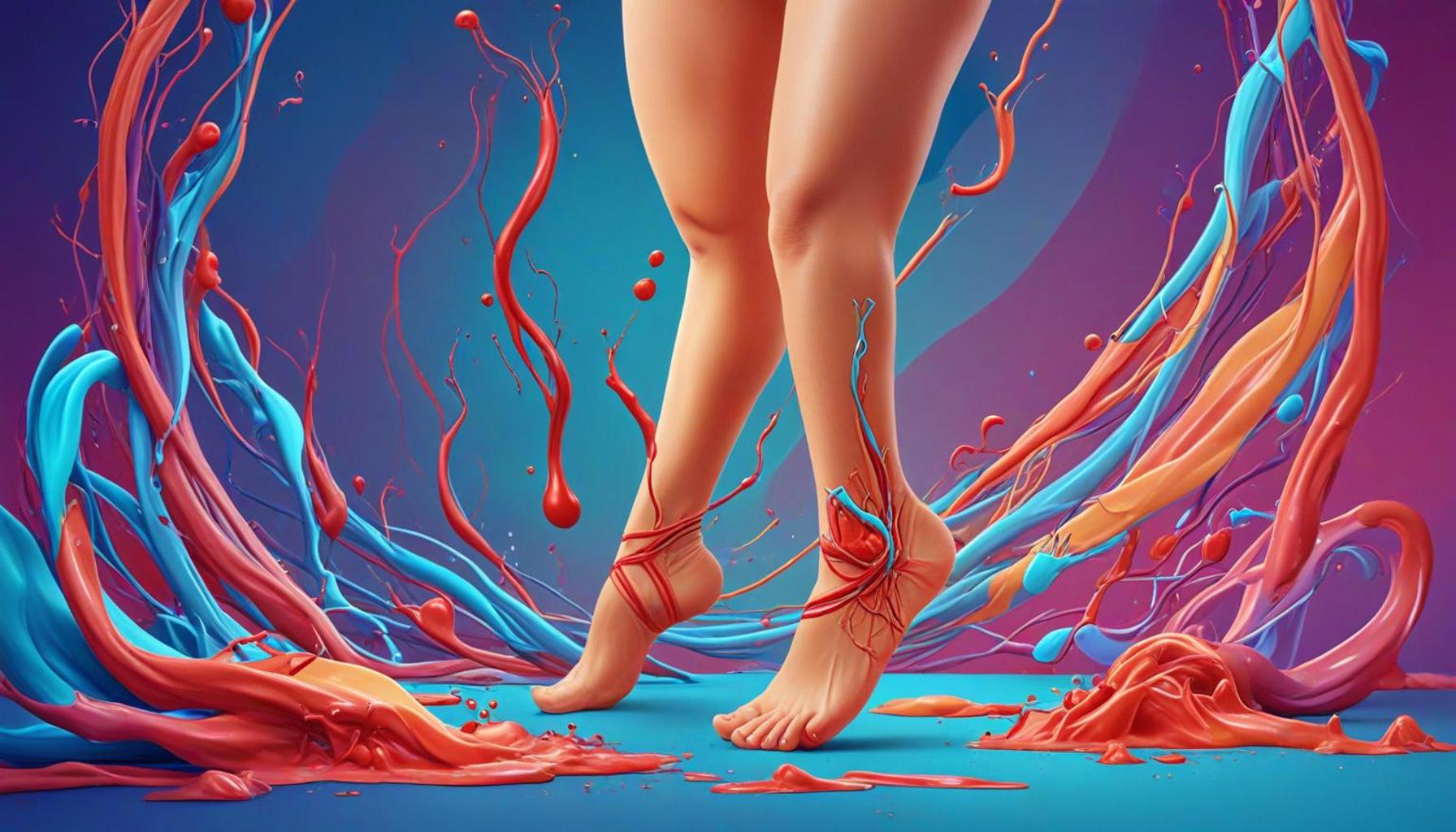
The Relevance of Blood Circulation to Overall Health
Poor blood circulation can lead to a variety of health issues, including varicose veins. These swollen, twisted veins not only affect appearance but can also cause discomfort and pain. Varicose veins often manifest in the legs and can lead to further complications, including blood clots and chronic venous insufficiency. Fortunately, engaging in specific exercises can significantly enhance circulation, offering a proactive approach to mitigate these concerns.
Understanding the connection between physical activity and vascular health is essential. Regular exercise promotes a range of physiological benefits that are crucial for maintaining healthy veins and arteries. Here are a few crucial points to consider:
- Increased Blood Flow: Regular movement encourages blood to flow more freely through the veins, which is vital for delivering oxygen and nutrients to tissues while removing waste products. Activities such as brisk walking, cycling, or swimming can significantly enhance circulation throughout the body.
- Muscle Pumping Action: Exercises, especially those involving the legs, utilize muscle contractions that help push blood back to the heart. For example, activities like calf raises or squats engage the calf muscles which act as a pump, effectively driving blood upward against gravity.
- Weight Management: Maintaining a healthy weight reduces the strain on veins, lowering the risk of varicose veins and related conditions. Studies suggest that even modest weight loss can yield substantial benefits for vascular health and alleviate pressure on the venous system.
From simple stretches to more vigorous workouts, there are numerous options available to improve cardiovascular health. Incorporating these exercises into your daily routine can lead to long-lasting benefits, including:
- Reduced Symptoms: Engaging in regular exercise can alleviate pain and discomfort associated with varicose veins. Gentle activities like yoga or swimming can be particularly beneficial, as they help improve flexibility and circulation without placing undue stress on the body.
- Enhanced Energy Levels: Increased circulation often translates to better overall energy. When blood flow is optimized, it can lead to greater endurance and vitality throughout the day.
- Long-term Health: Improved blood flow contributes to overall vascular health, which is paramount as people age. Regular cardio exercise, like jogging or dancing, strengthens the heart and improves its efficiency, lowering the risk of chronic diseases.
Exploring these exercise options is more than just a physical enhancement; it can be a game-changer in maintaining healthy veins and optimal circulation. Taking small steps, such as incorporating a 30-minute walk into your day or opting for the stairs rather than the elevator, can lead to significant improvements in vascular health over time. Dive into the world of fitness and discover how to safeguard your vascular health effectively—your body will thank you for it!
Engaging Activities for Enhanced Circulation
To effectively combat poor blood circulation and reduce the risk of varicose veins, integrating specific exercises into your daily routine is crucial. The good news is that you don’t need to embark on an intense workout regimen; rather, simple movements and activities can yield substantial benefits for your vascular health. Here, we explore a range of exercises that can stimulate blood flow, strengthen muscles, and support overall circulatory function.
1. Walking
Walking is one of the simplest yet most effective forms of exercise available to nearly everyone. This low-impact activity improves blood circulation without putting excessive strain on the joints. Incorporating brisk walks into your routine for at least 30 minutes a day can significantly enhance venous return and improve overall cardiovascular health. Aim to include varied terrains in your walks, such as hills or stairs, to further engage different muscle groups.
2. Leg Raises
Leg raises are an excellent exercise for targeting the lower extremities, particularly the calves, which play a vital role in moving blood back to the heart. To perform leg raises, simply lie on your back, lift one leg at a time towards the ceiling, and hold for a few seconds before lowering it back down. Aim for two to three sets of 10-15 repetitions per leg. This exercise encourages muscle contractions that facilitate upward blood flow, helping to reduce venous pressure and improve circulation.
3. Cycling
Cycling, whether on a stationary bike or outdoors, is another fulfilling exercise that enhances blood flow and muscle strength. It engages the quadriceps, hamstrings, and calves, providing a comprehensive workout that promotes healthy circulation. Aim for approximately 30 minutes of cycling, adjusting intensity to match your fitness level. This engaging activity not only strengthens leg muscles but also elevates heart rate, contributing to better cardiovascular fitness.
4. Stretching and Yoga
Incorporating stretching and yoga into your exercise regimen can work wonders for circulation. These practices are centered around flexibility and blood flow, helping to release tension and improve overall vascular function. Simple stretches, such as reaching for your toes or doing gentle spinal twists, can promote relaxation while enhancing circulation. Consequently, yoga poses like the Downward Dog or Legs-Up-the-Wall can further assist in encouraging venous return and alleviating discomfort associated with varicose veins.
5. Calf Raises
Calf raises are a cornerstone activity for enhancing circulation in the legs. Stand with your feet hip-width apart and raise your heels off the ground, balancing on your toes, then slowly lower back down. Repeat this motion for 10-15 reps, performing three sets. This exercise activates the calf muscles, which are critical for promoting venous return and reducing the likelihood of blood pooling in the legs.
Incorporating these exercises into your daily life can be straightforward and enjoyable. Whether taking a walk during your lunch break or dedicating a few minutes a day to calf raises, these movements can dramatically improve blood circulation and help prevent the development of varicose veins. Remember that every small effort counts towards larger health benefits over time, making movement a key ally in your journey toward better vascular health.
Elevating Your Routine for Optimal Circulation
While the previously mentioned exercises provide an excellent starting point, there is a multitude of additional activities that can further enhance blood circulation and serve as preventative measures against varicose veins. These exercises not only engage the cardiovascular system but also promote muscle strength and flexibility, essential elements in your quest for improved vascular health.
6. Swimming
Swimming is a highly effective exercise that offers a full-body workout while being easy on the joints. The buoyancy of water reduces impact, enabling you to move freely and effectively. Just 30 minutes of swimming can improve circulation by increasing heart rate and promoting muscle tone. Different strokes engage various muscle groups, adding variety to your routine. The rhythmic motion of swimming encourages blood flow throughout your body, effectively counteracting the pressures that contribute to varicose veins.
7. Pilates
Pilates combines strengthening and stretching, making it an excellent choice for enhancing circulation. This low-impact exercise method focuses on core stability and body control, which can significantly aid in improving vascular health. Many Pilates movements can be modified to suit all fitness levels. For example, the “Leg Circles” and “Footwork” exercises not only work the legs but also stimulate blood flow, ultimately supporting better venous return. Regular practice can build strength while reducing the risk of developing varicose veins.
8. Resistance Training
Incorporating resistance training into your routine can boost muscle mass and enhance circulation. Utilizing weights or resistance bands, focus on exercises that target your legs and core, such as squats or lunges. Aim for two to three sessions per week, balancing them with cardio activities. Engaging major muscle groups promotes better blood flow and oxygenation while fortifying the muscles that support vein health. Strength training can be particularly beneficial in older adults, helping to counteract the natural decline in muscle mass and circulatory efficiency.
9. Dance
Dancing is not only a fun activity but also an excellent way to get your blood pumping. Whether you take a formal dance class or simply enjoy dancing at home, this social and engaging activity provides both cardiovascular benefits and muscle engagement. Styles like Zumba, salsa, or ballroom dancing can vary in intensity but generally elevate heart rate and improve overall circulation. Additionally, the various movements involved challenge balance and coordination, further enhancing venous health.
10. Breathing Exercises
While it may be surprising, deep breathing exercises can also contribute significantly to improved circulation. Deep and controlled breathing increases oxygen supply while promoting relaxation and reducing stress levels, both of which can affect blood flow. Incorporating breathing exercises, such as diaphragmatic breathing or pranayama, into your daily routine can enhance overall well-being. These calming practices can also support vascular health by allowing for improved circulation through relaxation and stress management.
By diversifying your exercise regimen with swimming, Pilates, resistance training, dance, and breathing exercises, you not only bolster muscle strength but also enhance blood circulation significantly. Each movement plays a unique role in maintaining venous health, and combining different activities will keep your routine fresh and engaging. Exploring these various forms of exercise can empower you to take proactive steps towards sustaining optimal vascular health and preventing the onset of varicose veins.
Final Thoughts on Enhancing Circulation and Preventing Varicose Veins
In the pursuit of maintaining optimal blood circulation and preventing varicose veins, incorporating a diverse array of exercises into your routine is essential. Activities such as swimming, Pilates, resistance training, dancing, and even breathing exercises contribute significantly to enhancing vascular health. Each of these exercises not only engages different muscle groups but also promotes flexibility and strength, allowing for better blood flow throughout the body.
It is crucial to recognize that while these exercises play a vital role in improving circulation, they should be complemented by other healthy lifestyle choices. Maintaining a balanced diet, staying hydrated, and avoiding prolonged periods of sitting or standing can further support your vascular system. Additionally, regular physical activity enables you to build resilience against the development of varicose veins, especially for those at risk.
As you embark on your journey towards better circulation and vein health, consider scheduling regular check-ups with your healthcare provider. This proactive approach ensures that you stay informed about your vascular health and can adapt your exercise regimen accordingly. Remember, even small changes can lead to significant benefits. So, lace up your sneakers, explore new activities, and prioritize your circulation. This commitment not only enhances your overall well-being but also empowers you to lead a more active, vibrant life free from the discomfort associated with varicose veins.
Related posts:
Exercises to Improve Flexibility and Reduce Daily Muscle Tension
How Stress Impacts the Body Exercises Role in Relief
Tips for Maintaining a Regular Exercise Routine During Pregnancy
How to Prevent Injuries in Training with Proper Stretching and Warm-Up
Anti-inflammatory foods that aid in post-workout muscle recovery
How the practice of physical activities can help control blood pressure

Linda Carter is a writer and wellness coach specializing in holistic health and personal well-being. With extensive experience helping individuals achieve balanced lifestyles and make informed health choices, Linda shares her expertise on our platform. Her goal is to empower readers with practical advice and sustainable strategies for lifelong wellness success.