
How High-Intensity Training Can Benefit Metabolic Health
High-Intensity Training (HIT) is gaining traction for its significant benefits on metabolic health. This efficient exercise method boosts muscle mass, enhances insulin sensitivity, and supports fat loss, all while fitting into busy lifestyles. Embracing HIT can lead to transformative health improvements and a more energized life.

How to choose the right workout according to your body type and goal
Understanding your body type—ectomorph, mesomorph, or endomorph—plays a crucial role in personalizing workout routines. By aligning your fitness goals with your natural physique, you can enhance results, maintain motivation, and enjoy the journey toward improved health and wellness. Tailored workouts lead to lasting fitness success.

How proper hydration can optimize training results
Proper hydration is essential for optimizing athletic performance, enhancing endurance, strength, and recovery. Athletes should understand their unique hydration needs, including fluid timing and electrolyte balance, to improve training results and prevent dehydration-related issues. A proactive hydration strategy can significantly elevate athletic outcomes and overall health.

The benefits of outdoor training for mental and physical health
Outdoor training offers significant benefits for both mental and physical health. Engaging in nature enhances mood, reduces stress, boosts motivation, and fosters social connections, while promoting mindfulness and cognitive function. Embracing outdoor exercise not only enriches personal well-being but also strengthens community ties and environmental awareness.

Beginner’s workout routine: how to safely start practicing physical activities
Starting a workout routine can be an exciting yet challenging journey. This guide emphasizes safe practices for beginners, including assessing fitness levels, setting realistic goals, choosing enjoyable activities, and focusing on proper techniques. Additionally, it highlights the importance of nutrition, hydration, rest, and support systems for a sustainable fitness journey.

How to Create an Effective Workout Routine with Little Time
Design a time-efficient workout plan by prioritizing health and wellness. Emphasize short, high-intensity exercises tailored to individual goals. Incorporate flexibility and strength training, focusing on consistency over duration. This approach boosts physical fitness, reduces stress, and enhances overall well-being, making it ideal for those with limited time.

Top Tips to Boost Workout Motivation Avoid Sedentary Lifestyle
Boost workout motivation and combat a sedentary lifestyle by setting clear fitness goals, incorporating diverse exercises, and establishing a consistent routine. Prioritize mental well-being alongside physical health, track progress, and celebrate small victories to maintain enthusiasm and long-term commitment. Stay active and empowered for lasting wellness.

Exercises to Improve Cardiovascular Health and Increase Physical Endurance
This article explores the significance of cardiovascular health and endurance through various exercises. It emphasizes the benefits of regular physical activity, including enhanced stamina, weight management, and reduced disease risk. By incorporating diverse workouts that you enjoy, you can cultivate a sustainable and fulfilling heart-healthy lifestyle.

Exercises to Strengthen Core Muscles and Improve Stability
A strong core enhances stability, performance, and injury prevention in daily activities and sports. Incorporating diverse core exercises like planks, Russian twists, and functional movements into routines can significantly improve strength and posture, leading to a healthier, more active life. Consistency is key for lasting benefits.
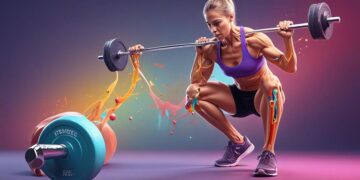
How strength training can benefit bone health and prevent fractures
Bone health is vital for overall wellness, and strength training significantly enhances bone density while preventing fractures. Regular resistance exercises improve muscle strength and balance, particularly important for older adults. By integrating strength training into daily routines, individuals can proactively boost their bone health and maintain independence as they age.