Benefits of strength training for women over 40
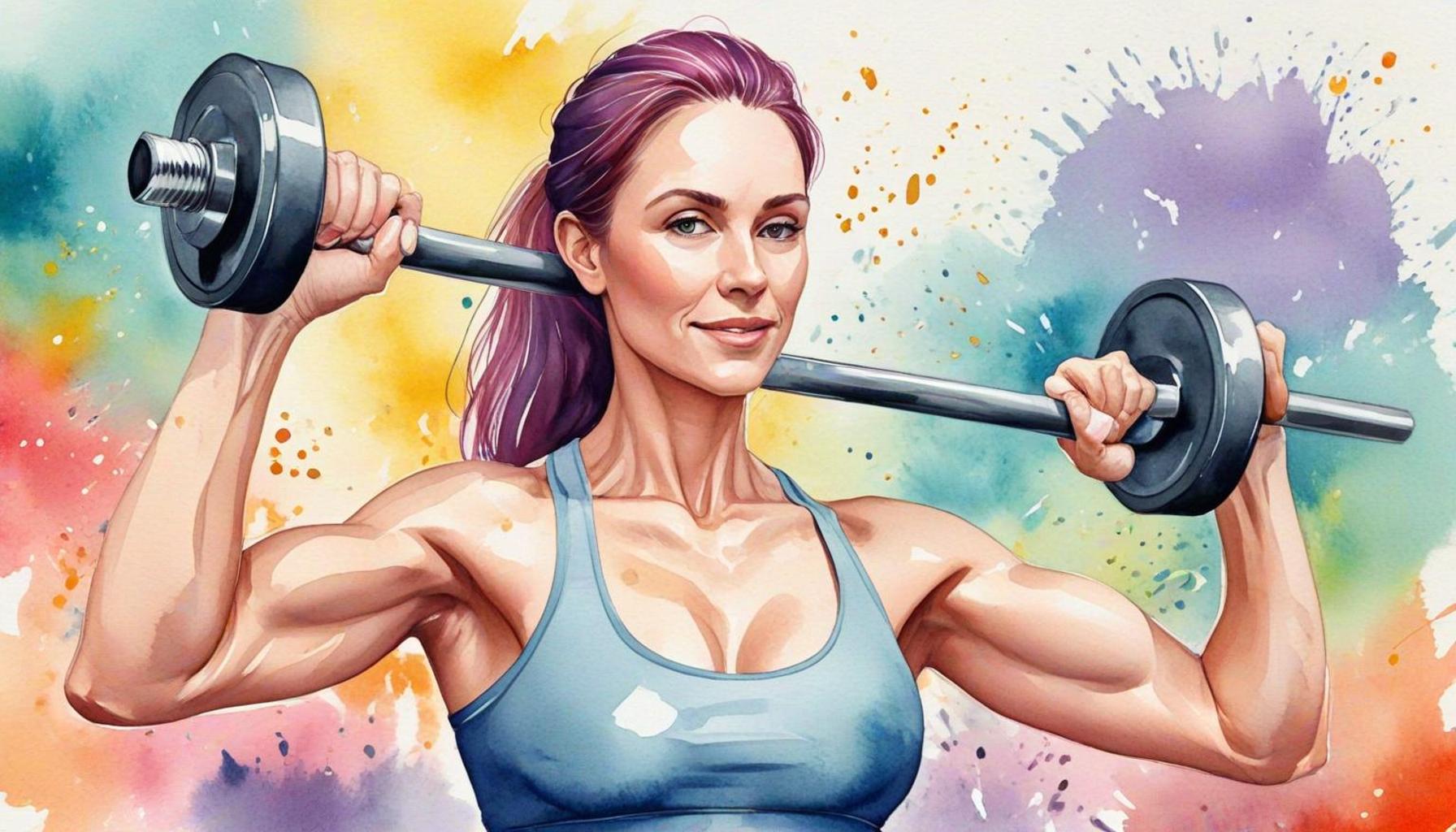
Understanding the Transformative Power of Strength Training
As women transition into their 40s and beyond, it becomes increasingly important to adapt health and fitness strategies to meet their evolving needs. One impactful strategy that is gaining recognition is strength training. While many may associate this form of exercise with bodybuilders or athletes, it holds exceptional benefits specifically tailored to the unique challenges faced by women in this age group.
Increased Muscle Mass is one of the foremost advantages of engaging in strength training. Starting in their late 30s, women may begin to experience a natural decline in muscle mass, a process known as sarcopenia. By incorporating strength training into their routines, women can effectively counteract this loss. A report published by the Journal of Aging and Physical Activity finds that resistance training can increase muscle mass even in older populations, showcasing its importance for maintaining strength and function as we age.
Improved Bone Density is equally vital. Women become more susceptible to osteoporosis—a condition that weakens bones—after menopause due to hormonal changes. Studies reveal that strength training significantly enhances bone density, thereby helping to stave off fractures and other serious injuries. For example, programs involving weight-bearing exercises have shown marked increases in bone mineral density among postmenopausal women.
A remarkable benefit of strength training is its role in boosting metabolism. As muscle mass increases, so too does the resting metabolic rate, meaning the body burns more calories at rest. This is particularly pertinent for women navigating weight management challenges, as metabolic rates can drop with age. Incorporating resistance training into a weekly routine can be an effective strategy for maintaining a healthy weight, particularly as dietary needs might change with age.
Moreover, strength training has been linked to enhanced mental health. Regular physical activity, especially resistance training, can lower anxiety and depression rates. A study published in JAMA Psychiatry confirms that individuals engaging in strength-based workouts experience lower symptoms of anxiety compared to their sedentary peers. The endorphins released during workouts lead to improved mood and resilience, encouraging a more positive outlook on life.
Finally, the practical benefits of increased functional strength cannot be overlooked. As women age, everyday activities such as lifting groceries, climbing stairs, or playing with grandchildren can become more challenging. Strength training not only improves performance in these tasks but also enhances overall quality of life, fostering greater independence and confidence.
With a plethora of studies supporting the myriad benefits of strength training, it’s clear that this exercise modality is not merely a trend but a vital component of healthy aging. For women contemplating how to best invest in their health as they pass their 40s, now is the perfect time to embrace strength training, redefine personal fitness journeys, and relish the transformative effects it can have—physically and mentally. The question remains—are you ready to unlock these benefits?
Empowering Women through Strength Training
As women age, particularly after reaching 40, their bodies undergo significant physiological changes that can impact overall health, mobility, and well-being. While the perception of strength training may still be clouded by myths of excessive bulk and weightlifting for men, the reality is far more nuanced. Incorporating strength training into their fitness regimen offers women countless advantages that extend well beyond mere aesthetics.
Enhanced Joint Health is a crucial aspect of strength training that often goes unrecognized. With age, women may experience joint stiffness and discomfort, conditions exacerbated by sedentary lifestyles. Research indicates that strength training can help improve joint function and alleviate pain by strengthening the muscles and ligaments that support those joints. Engaging in resistance exercises can thus lead to a greater range of motion and overall mobility, making it easier for women to remain active and vibrant.
In addition, adopting a strength training routine facilitates heart health. Cardiovascular diseases remain the leading cause of death among women in the United States. Strength training has been shown to lower blood pressure, improve cholesterol levels, and reduce the risk of heart disease. A study conducted by the American Heart Association asserts that resistance training at least twice a week is beneficial for heart health, proving that it should be an essential component of any fitness program, especially for those over 40.
Improved Posture and Core Stability are significant benefits arising from strength training. As women become more prone to postural issues due to weakened core muscles and chronic sitting, resistance exercises specifically targeting the back, abdomen, and pelvis can lead to notable improvements. Strengthening these areas not only helps with posture but also reduces the risk of back pain. Women often report feeling more confident and energized, thanks to enhanced core strength that supports daily activities.
The social aspect of joining a strength training program can also not be overlooked, as it fosters community and social support. Engaging in group classes or partner workouts provides opportunities for women to connect, share experiences, and offer motivation to one another. Social interactions have proven benefits for mental health, creating positive reinforcement that encourages sustained participation in fitness routines. Joining a local gym or community center can lead to new friendships and a renewed sense of commitment to health.
While the benefits of strength training are extensive, many women may wonder where to begin. Here are some suggestions to ease into a strength training routine:
- Start with bodyweight exercises like squats and push-ups.
- Consider using resistance bands for gentle resistance.
- Gradually incorporate free weights, focusing on proper form over heavy weights.
- Explore local classes that emphasize strength training for women.
- Consult with a fitness professional to tailor a program to individual needs.
The journey to embracing strength training is one of empowerment, transformation, and renewed vitality. As women over 40 discover the remarkable benefits of developing strength and resilience, they open the door to a healthier and more fulfilling future. With every rep and every set, they are not only training their bodies but also redefining their strength and capabilities.
Strength Training: A Catalyst for Mental Well-being
Beyond the physical advantages, strength training offers significant mental health benefits that are particularly important for women over 40. As women navigate midlife transitions, they may encounter stressors from various fronts, including career shifts, family dynamics, and societal expectations. Engaging in a consistent strength training program has been shown to enhance mood and alleviate symptoms of anxiety and depression. A 2018 study published in the American Journal of Lifestyle Medicine revealed that individuals participating in resistance training displayed improved mental health outcomes, illustrating how this physical endeavor translates into emotional resilience.
Moreover, strength training can serve as an effective stress relief mechanism. The physical act of lifting weights releases endorphins, also known as “feel-good hormones,” which provide a natural mood boost. As women engage in these activities, they often report feeling a sense of empowerment and accomplishment, contributing to an enhanced sense of self-worth. The structured environment of a gym or fitness class can also serve as a sanctuary, allowing women to focus on personal goals while momentarily stepping away from the pressures of daily life.
The Role of Metabolism and Weight Management
Another vital consideration for women over 40 is the impact of strength training on metabolic health. As estrogen levels decline during menopause, women often experience a slowdown in metabolic rate, leading to challenges in weight management. Incorporating strength training into regular exercise routines can counteract this effect by building lean muscle mass, which in turn increases the body’s calorie-burning capabilities. According to the National Institutes of Health, maintaining muscle mass can help offset fat gain and minimize the risk of obesity-related health issues, such as type 2 diabetes and heart disease.
Integrating strength training can also aid in bone health, something that becomes crucial as women age. Osteoporosis affects an estimated 1 in 2 women over 50, making it essential for many to prioritize activities that support bone density. Studies indicate that resistance training can enhance calcium retention in bones, thus reducing the risk of fractures and osteoporosis. The Centers for Disease Control and Prevention (CDC) suggests strength training as a key component in preventing bone density loss, underscoring its importance for women looking to maintain their skeletal health.
Functional Fitness and Everyday Life
One of the lesser-discussed benefits of strength training is its positive impact on functional fitness. As women age, maintaining the ability to perform daily activities—such as lifting groceries, climbing stairs, or playing with grandchildren—becomes increasingly vital. Strength training enhances muscular endurance and functional movements, making everyday tasks easier and safer to execute. According to the Arthritis Foundation, regular strength training can improve physical function, helping women to stay independent and engaged in all life stages.
Finally, as women over 40 gradually become aware of the myriad advantages strength training offers, they often discover a path to lasting lifestyle changes. The gradual incorporation of strength training leads to increased physical activity levels, fostering a healthier mindset and lifestyle choices. The transformative journey often extends beyond the gym, influencing dietary habits, sleep patterns, and overall well-being as women embrace a more empowered version of themselves.
Empowering Women Through Strength Training
In conclusion, strength training serves as a powerful tool for women over 40, offering a comprehensive array of benefits that extend well beyond the physical realm. From enhancing mental health and tackling the challenges of midlife transitions to improving metabolism and combatting age-related health issues, the advantages are profound. Incorporating resistance training can significantly bolster bone health, an essential consideration as the risk of osteoporosis increases with age. Furthermore, the ability to boost functional fitness allows women to better navigate daily life, maintain independence, and enjoy activities that bring joy and fulfillment.
Moreover, the journey of strength training encapsulates an empowering shift in lifestyle choices. As women begin to prioritize this form of exercise, they often experience enhanced confidence and self-worth, leading to healthier dietary patterns and improved overall well-being. The emotional resilience developed through strength training fosters a proactive attitude towards aging, encouraging women to embrace their vitality and pursue new challenges.
As communities and fitness programs increasingly acknowledge the unique needs of women in this age group, it is vital to recognize and advocate for these empowering initiatives. By embracing strength training, women over 40 can unlock a pathway to not just survive the changes of midlife but to thrive in every aspect of their health and quality of life. This lifestyle choice makes it clear that age need not be a barrier but rather an opportunity for renewed strength and resilience.
Related posts:
Walking vs Running Cardiovascular Health Benefits Explained
Cardiovascular Training to Improve Physical Endurance and Cardiovascular Health
How food can help combat bloating and improve digestion
How resistance training can improve skin health and combat signs of aging
The importance of hydration for performance in high-intensity training
Exercises and activities to reduce the effects of aging on the skin

Linda Carter is a writer and wellness coach specializing in holistic health and personal well-being. With extensive experience helping individuals achieve balanced lifestyles and make informed health choices, Linda shares her expertise on our platform. Her goal is to empower readers with practical advice and sustainable strategies for lifelong wellness success.