
Exercises to Improve Flexibility and Relieve Joint Pain
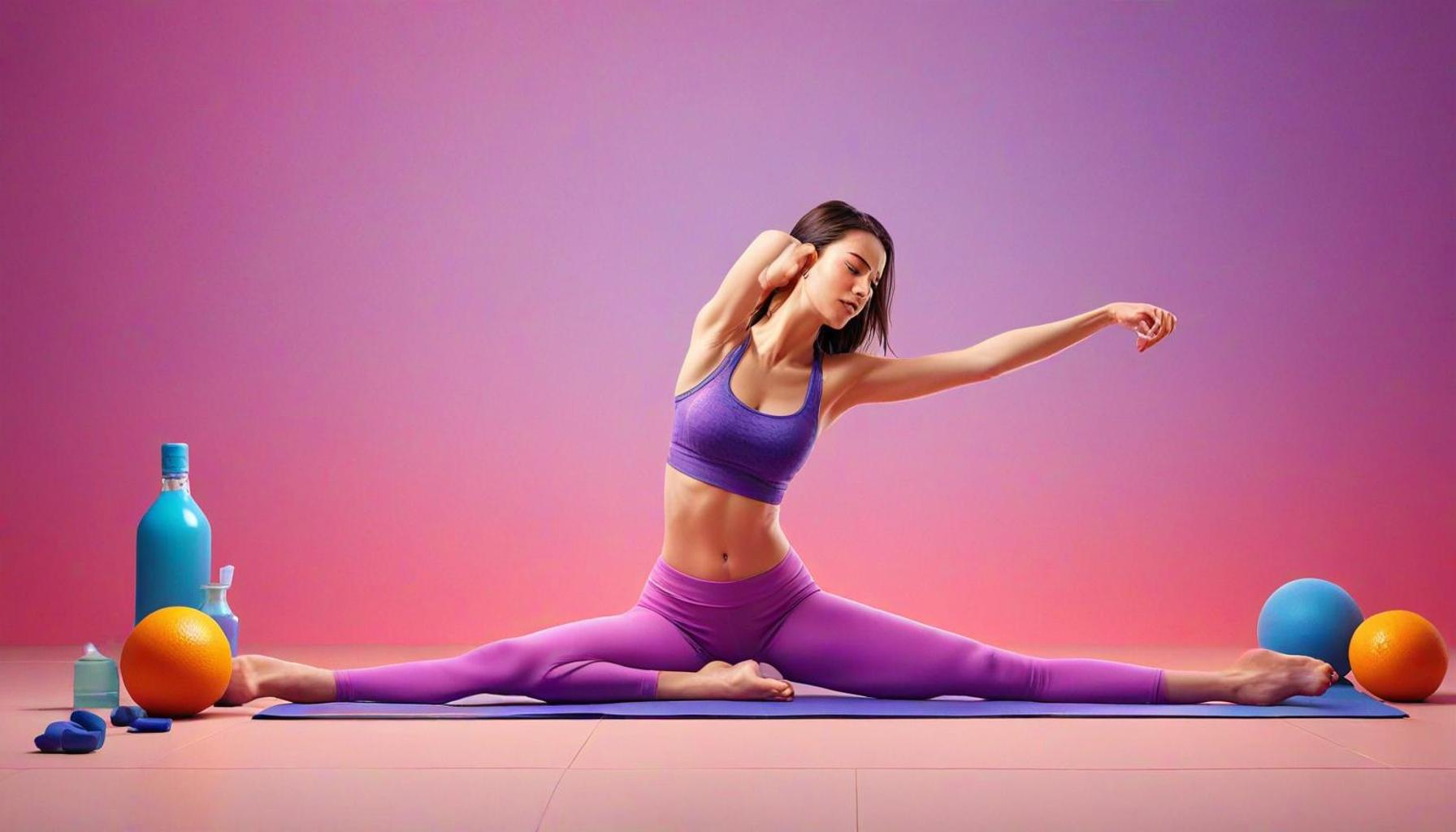
Unlocking Your Body’s Potential
Many individuals experience joint pain, which can significantly hinder daily activities. Flexibility exercises serve as a potent tool not just for enhancing mobility but also for alleviating discomfort. Research shows that regular stretching and targeted movements can lead to remarkable benefits. Yet, despite the clear advantages, many remain unaware of how simple these practices can be.
The Importance of Flexibility
Improving flexibility offers numerous advantages, including:
- Increased Range of Motion: Enhanced movement contributes to greater agility and prevents injuries, especially in active adults. For instance, athletes often incorporate flexibility training in their routines, which allows them to perform at peak conditions while decreasing the risk of strains.
- Reduced Muscle Tension: Flexibility exercises relax tightened muscles, alleviating pain and discomfort. Research in physical therapy indicates that even ten minutes of stretching can significantly reduce tension headaches and back pain.
- Joint Health: Keeping joints lubricated through regular movement ensures they function smoothly. The benefits of maintaining mobility extend to improved posture and a decreased likelihood of arthritis-related discomfort.
In the United States, where sedentary lifestyles are predominant, joint pain is commonly attributed to aging, injuries, or conditions like arthritis. Surprisingly, simple and effective exercises can be woven into daily routines to combat these issues. Engaging in consistent flexibility training not only promotes physical health but also encourages mental well-being. Studies show that those who integrate stretching into their day often report enhanced mood and reduced anxiety levels, creating a positive feedback loop for wellness.
Considerations for Practice
When practicing flexibility exercises, it’s crucial to:
- Start Slowly: Avoid overstretching to prevent injuries, particularly if you are just starting. Gradually increase the intensity of your stretches as your body adjusts.
- Listen to Your Body: Stop if you feel pain beyond mild discomfort. Successful practitioners emphasize the importance of being tuned into your own body’s signals.
- Stay Consistent: Incorporate flexibility training into your daily routine for maximum benefits. Even short, daily stretching sessions can lead to significant improvements over time.
Dive deeper into the world of flexibility and discover exercises tailored to improve your quality of life. Simple activities like yoga, Pilates, or even basic stretches can make a world of difference. Your journey toward pain relief and enhanced mobility starts here—embrace the potential that lies within your body through dedicated flexibility training.
Exploring Effective Flexibility Exercises
Flexibility exercises encompass a wide range of movements designed not only to stretch muscles but also to enhance overall body performance. With the increasing awareness of their benefits, many individuals are incorporating these exercises into their daily routines, reaping significant rewards. Below, we delve into various effective exercises that can help improve flexibility and provide relief from joint pain.
Dynamic Stretching
Dynamic stretching involves movements that stretch your muscles while you are moving, which can effectively prepare your body for physical activity. These stretches help increase blood flow and flexibility at the same time. Incorporating dynamic stretches into your warm-up is particularly beneficial for athletes and those who engage in regular exercise. Some dynamic stretches to consider include:
- Leg Swings: Stand next to a wall or support and swing one leg forward and backward. This movement helps loosen the hip joint and improves overall leg flexibility.
- Arm Circles: Extend your arms out to the sides and make circular motions, gradually increasing the size of the circles. This exercise can enhance shoulder flexibility.
- Lunges with a Twist: Step forward into a lunge and gently twist your torso towards your front leg. This helps stretch your hips and spine simultaneously.
Static Stretching
Static stretching, where a muscle is gradually elongated and held in a position for a period, is an essential aspect of flexibility training. These stretches are typically performed post-exercise, allowing the muscles to cool down and aids in recovery. Some of the most effective static stretches include:
- Hamstring Stretch: While seated, extend one leg straight and reach toward your toes. Keep your back straight while leaning forward to stretch the hamstrings and lower back.
- Quadriceps Stretch: Standing, grab one ankle and pull it towards your glutes. This stretch is crucial for maintaining flexibility in the thigh muscles and alleviating knee pain.
- Shoulder Stretch: Extend one arm across your body and use the other arm to press it closer to your chest. This simple stretch can relieve shoulder tension and discomfort.
Yoga and Pilates
Both yoga and Pilates offer comprehensive approaches to improving flexibility and relieving joint pain. Yoga emphasizes breathing and mindfulness alongside a variety of poses that stretch and strengthen muscles. Common yoga poses that enhance flexibility include the Downward Dog and Pigeon Pose, which stretch the hips, hamstrings, and lower back.
Pilates, on the other hand, focuses on core strength, alignment, and flexibility through controlled movements. Classes often include reformer exercises or mat work, designed to improve not only flexibility but also overall body strength. Incorporating Pilates into a weekly routine can significantly contribute to joint health and muscle elasticity.
Engaging in these targeted flexibility exercises can lead to long-lasting benefits. Whether you’re an athlete looking to enhance performance or someone seeking relief from everyday discomfort, these practices can help unlock your body’s potential. As you explore these options, you may discover that the path to improved flexibility is not only effective but also enjoyable.
Integrating Mindfulness and Consistency into Your Routine
Improving flexibility and relieving joint pain goes beyond merely executing a series of exercises; it encompasses a holistic approach that includes mindfulness and persistence. To truly reap the benefits, it is vital to cultivate a routine that prioritizes repetition and awareness during flexibility exercises.
Mindfulness in Stretching
Bringing mindfulness into your stretching routines can amplify their effects significantly. Mindful stretching involves focusing your attention on your breath, feelings, and sensations in your body while you perform each stretch. This practice not only enhances the stretching experience but also allows you to discover your body’s limits and urges you to move gently and with control. Research shows that practicing mindfulness during physical activities can aid in reducing discomfort and enhance the effectiveness of exercises targeting joint mobility.
One effective technique for incorporating mindfulness is to practice the art of body scanning. This involves mentally scanning your body from head to toe, paying attention to any sensations, aches, or tightness before beginning your routine. By being attuned to these feelings, you can identify specific areas that may need more attention or gentler stretching.
Consistency is Key
To achieve notable improvements in flexibility and relief from joint pain, consistency is essential. Studies suggest that performing flexibility exercises at least three times a week can lead to measurable improvements in range of motion and muscle elasticity. Establishing a specific schedule, whether in the morning or evening, can help solidify the practice in your daily routine. Consider setting small, achievable goals to stay motivated. For example, aim to hold each stretch for an additional five seconds each week until you reach your target time.
Joining local classes or online platforms can provide structure and decrease the likelihood of skipping sessions. Participating in community groups or classes not only increases commitment but also provides social interaction, making the routine more enjoyable. Look for yoga studios, Pilates classes, or local gyms where experts guide you through proper techniques and offer supportive environments to share experiences.
Focusing on Specific Joint Health
When it comes to joint pain, it’s crucial to tailor exercises to address specific areas of discomfort. For instance, individuals suffering from knee pain can benefit from targeted stretches like calf stretches and hip flexor stretches. Calf stretches can be performed by standing on the edge of a step and allowing your heels to drop below the step for a deep stretch. Hip flexor stretches can be done by kneeling on one knee and gently pushing your hips forward while maintaining an upright posture.
For those dealing with shoulder discomfort, incorporating cross-body shoulder stretches and triceps stretches may provide relief. The cross-body shoulder stretch involves pulling one arm across your body while the triceps stretch can be executed by raising one arm above your head and bending at the elbow to touch your back. These specific stretches can both enhance flexibility and diminish pain, enabling individuals to engage more comfortably in daily activities.
With an emphasis on mindfulness and consistency, as well as targeted exercises, individuals can experience notable improvements in flexibility and decreased joint pain. Engaging in such practices motivates continued efforts toward better health and can lead to a more active, fulfilling lifestyle.
Conclusion: A Path to Greater Mobility and Comfort
Incorporating exercises to improve flexibility and relieve joint pain is not merely a fitness choice; it is a crucial element of a healthy lifestyle that can significantly enhance the quality of everyday life. By engaging in gentle stretches and mindful movements, individuals can unlock their body’s potential while alleviating discomfort associated with tight muscles and stiff joints. The combination of focused breathing with gradual, consistent practice creates a powerful synergy that not only promotes physical well-being but also fosters mental resilience.
As we delve deeper into personal well-being, it is essential to recognize that targeted exercises hold the key to managing specific joint issues. By understanding which stretches work best for areas like the knees or shoulders, one can tailor a routine that addresses individual pain points, offering a personalized approach to recovery and flexibility enhancement. Additionally, community support through classes or groups can further enrich the experience, making the journey toward improved mobility a shared and enjoyable endeavor.
Ultimately, by prioritizing regular practice and embracing mindfulness, individuals set themselves on a transformative journey. This commitment does not just yield improvements in flexibility but can also contribute to a healthier, more active lifestyle. As research continues to validate these practices, the benefits of flexibility exercises become increasingly clear: they not only relieve discomfort but also empower us to move with freedom and joy. Thus, embarking on or refining your exercise routine targeting flexibility stands as a foundation for reclaiming your vitality and enhancing your day’s quality—one stretch at a time.

Linda Carter
Linda Carter is a writer and wellness coach specializing in holistic health and personal well-being. With extensive experience helping individuals achieve balanced lifestyles and make informed health choices, Linda shares her expertise on our platform. Her goal is to empower readers with practical advice and sustainable strategies for lifelong wellness success.


