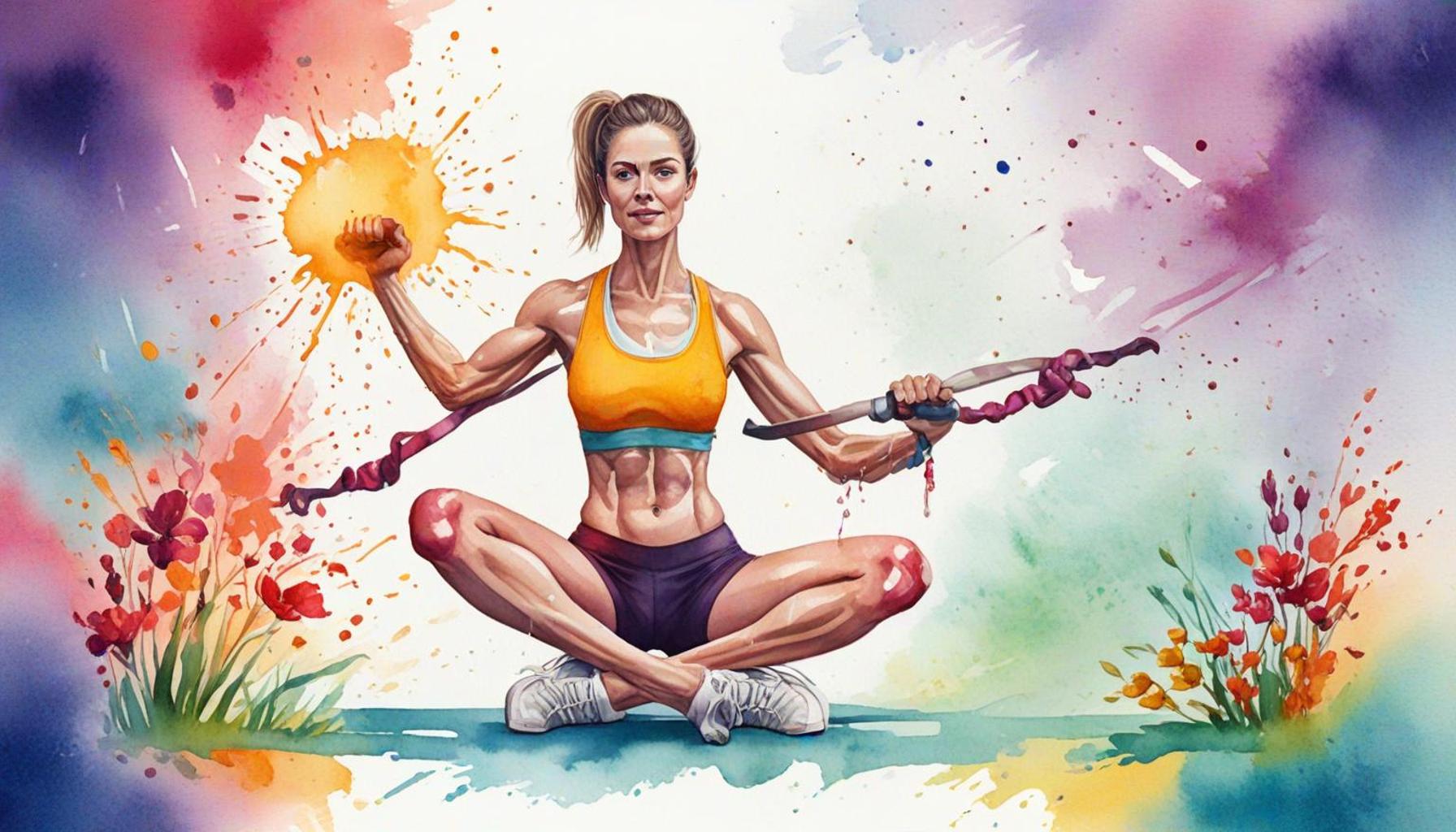
Stretching and Relaxation Exercises to Reduce Stress
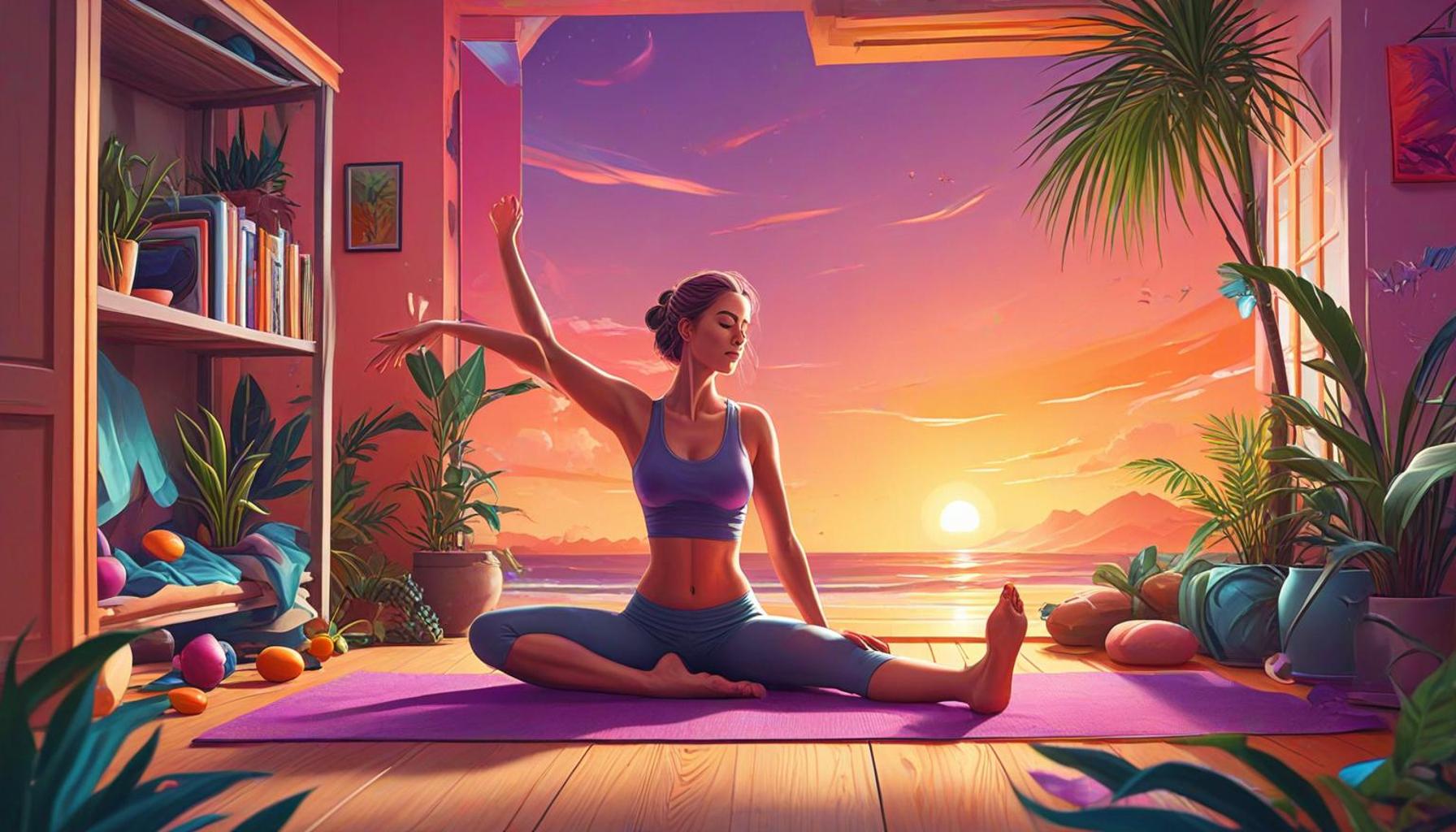
Understanding Stress in Modern Life
Stress is a phenomenon that has increasingly permeated our lives, with numerous studies indicating that almost 80% of Americans experience stress on a regular basis. Whether from the unrelenting pace of work deadlines, complex family dynamics, or the challenge of achieving personal goals, stress can manifest in both psychological and physical forms. The repercussions of chronic stress can lead to serious health issues, including anxiety disorders, hypertension, and weakened immune response. To combat these daily pressures, individuals are discovering the significant benefits of stretching and relaxation exercises as effective remedies.
The Benefits of Stretching for Stress Relief
Engaging in regular stretching routines goes beyond just enhancing physical flexibility; it can substantially improve emotional resilience. For instance, when you take just five to ten minutes to stretch during your workday, whether at your desk or by stepping away from your workspace, you can experience improvements in both your body and your mind. Here are some notable benefits:
- Enhanced flexibility – Incorporating stretching exercises into your routine can significantly improve your range of motion, making activities such as bending, lifting, or even casual movements more effortless and enjoyable.
- Reduced muscle tension – After long hours of sitting or performing repetitive tasks, muscle tightness is common. Stretching facilitates blood flow to the muscles, effectively alleviating the built-up tension caused by stress.
- Improved mental clarity – Stretching combined with mindful breathing fosters an environment where the mind can reset. This practice can aid in enhancing focus and leading to improved productivity levels.
Combining Relaxation Techniques for Optimal Stress Relief
While stretching is highly effective, integrating it with specific relaxation techniques can amplify its benefits. Research supports that combining these methods may activate the body’s relaxation response, effectively dampening stress hormones and reducing anxiety. Here are several strategies that can further bolster your stress relief efforts:
- Breathing exercises – Techniques such as the 4-7-8 method or diaphragmatic breathing can regulate heart rate and calm the nervous system. Practicing controlled breathing for a few minutes during stressful situations can lead to immediate feelings of peace.
- Yoga – This ancient practice adeptly combines stretching with deep, mindful breathing. It not only helps in improving flexibility but also cultivates mental focus and tranquility, making it ideal for a balanced lifestyle.
- Progressive muscle relaxation – This technique focuses on tense and relax muscle groups systematically, aiding in a clear understanding of where stress resides in your body. By recognizing and actively releasing physical tension, you can significantly reduce your overall stress levels.
As you delve into various stretching and relaxation techniques, you may find yourself embarking on a transformative journey. Adopting these practices can not only mitigate stress but also elevate your overall quality of life. The impact of just a few moments set aside for stretching or relaxation exercises can empower you to reclaim your peace, ultimately leading to a healthier, happier you. Explore these methods, customize your approach, and discover what resonates with you personally as you seek a more balanced existence.
Harnessing the Power of Stretching and Relaxation
As the demands of modern life continue to escalate, finding effective methods for stress relief has become increasingly important. Stretching and relaxation exercises serve as powerful tools in this quest for tranquility. By integrating these practices into your daily routine, you can cultivate a sense of calm that is beneficial not only for your mental health but also for your physical well-being.
Easy Stretching Techniques to Incorporate Daily
Starting a stretching regimen doesn’t require a gym membership or extensive knowledge of fitness; it can be as simple as dedicating a few minutes each day. Here are some easy stretches that are effective at alleviating stress:
- Neck Rolls: Gently roll your head in a circular motion to release tension in the neck and shoulders. This exercise can be done while seated, making it perfect for office environments.
- Shoulder Shrugs: Raise your shoulders towards your ears, hold for a moment, then release. This can help to disperse built-up tension in the upper body.
- Standing Forward Bend: Stand tall, then gently hinge at your hips and let your upper body hang. This helps lengthen the spine and can lead to feelings of relaxation.
- Cat-Cow Stretch: This gentle yoga stretch is performed on all fours, alternating between arching and rounding your back. It promotes flexibility and encourages deep breathing.
- Child’s Pose: A staple in yoga, this soothing position encourages relaxation while stretching the hips, thighs, and back. Combining it with deep breathing will enhance its calming effects.
Breathe Your Way to Calm
Incorporating breathing techniques alongside stretching can significantly amplify relaxation. Controlled breathing is a simple yet effective way to calm the mind and body.
- Box Breathing: Inhale deeply for a count of four, hold the breath for another count of four, exhale slowly for four, and then hold the empty breath for four before starting again. This method stabilizes your heart rate and fosters peace.
- Mindful Breathing: Focus on your breath going in and out through your nostrils. Feel the sensation of air filling your lungs and then gently flowing out. This technique helps anchor your thoughts and reduces anxiety.
Scientific research supports the notion that regular stretching and mindful breathing can significantly lower cortisol levels—the hormone responsible for stress. Moreover, these practices can enhance overall emotional resilience, enabling you to handle daily pressures with greater ease.
By making stretching and relaxation exercises a cornerstone of your routine, you not only address immediate stress relief but also contribute to long-term health benefits. As you explore these practices, you may find new ways to reconnect with your body and mind, fostering a harmonious balance that supports your overall well-being.
Embracing Mind-Body Connection through Movement
In our fast-paced lives, many people overlook the intricate link between physical movement and mental well-being. Engaging in dynamic stretching and mindful exercises not only eases physical tension but can also facilitate a greater awareness of oneself. This mind-body connection is crucial in fostering emotional health, helping individuals manage and reduce stress levels effectively.
Dynamic Stretching: A Precursor to Calm
Dynamic stretching involves a series of movements that increase heart rate and prepare the body for physical activity, yet it also has profound benefits for mental clarity. Rather than being a mere prelude to exercise, engaging in dynamic stretches can create a sense of alert relaxation, making it easier to approach overwhelming situations.
- Arm Circles: Stand tall with your arms extended to the side and make small circles, gradually increasing the size. This invites mobility into the shoulders and upper back while encouraging a clearer mindset.
- Leg Swings: Stand on one leg and swing the other back and forth, alternating legs. This engages your core and challenges your balance, stimulating mental focus and offering a slight adrenaline rush that can uplift your mood.
- Torso Twists: With your feet shoulder-width apart, gently rotate your torso side to side. This loosens the spine and enhances circulation, contributing not only to physical readiness but also to mental openness.
Research indicates that incorporating dynamic stretches into your routine can stimulate the production of endorphins—natural mood lifters. This further emphasizes the role of physical movement in battling daily stressors.
The Role of Yoga in Stress Management
A long-recognized practice, yoga combines physical postures, breath control, and meditation to create a comprehensive approach to stress management. It is not only a form of exercise but also a philosophy that promotes holistic well-being.
- Hatha Yoga: Known for its slower pace and focus on postures (asanas), Hatha yoga emphasizes relaxation through movement, making it suitable for individuals at all levels.
- Restorative Yoga: This practice uses props to support the body in various poses for extended periods. It is designed to activate the parasympathetic nervous system, allowing for deep relaxation and stress relief.
- Vinyasa Yoga: This more dynamic form connects breath with movement, creating a flow that facilitates cardiovascular improvement while also centering the mind.
Scientific evidence supports yoga’s effectiveness in reducing stress by decreasing levels of the stress hormone **cortisol** while enhancing serotonin, the neurotransmitter often referred to as the «feel-good» hormone. A study from the University of California, Los Angeles, found that individuals practicing yoga regularly report lower levels of stress and improved mental clarity and focus.
Throughout history and across cultures, the profound impact of stretching and relaxation techniques has been recognized. By integrating these practices into our daily lives, we create pathways for deeper introspection and a better understanding of how stress affects our bodies and minds. New perspectives and techniques continually emerge, offering fresh ways to combat stress and nurture our health. Thus, exploring diverse modalities of stretching and relaxation can enrich your experience and lead to a more balanced lifestyle.
Conclusion: The Transformative Power of Stretching and Relaxation
As we navigate the complexities of modern life, the importance of incorporating stretching and relaxation exercises into our daily routines becomes increasingly clear. These practices serve not only to enhance physical flexibility and reduce tension but also to nurture our mental resilience in the face of stressors. By fostering a strong mind-body connection, we become better equipped to handle the pressures of daily life.
The benefits of dynamic stretching and integrated practices like yoga have been substantiated by scientific research, demonstrating their capacity to lower cortisol levels while enhancing mood and mental clarity. This dual capacity highlights the potent role of physical activity in mitigating stress. Incorporating simple yet effective exercises, such as arm circles, leg swings, and various yoga styles, can invigorate both the body and mind while providing an outlet for emotional expression.
Moreover, the growing body of evidence surrounding these techniques encourages a shift towards prioritizing holistic well-being. As stress continues to be a critical concern in our society, being proactive with self-care strategies is essential. By embracing stretching and relaxation exercises, not only do we cultivate better health, but we also foster a deeper connection to ourselves, allowing for introspection and increased emotional intelligence.
Now is the time to delve into these practices, explore the nuances they offer, and challenge ourselves to make them a consistent part of our lives. In acknowledging and harnessing the transformative power of stretching and relaxation, we can pave the way towards a more balanced and fulfilling existence.

Linda Carter
Linda Carter is a writer and wellness coach specializing in holistic health and personal well-being. With extensive experience helping individuals achieve balanced lifestyles and make informed health choices, Linda shares her expertise on our platform. Her goal is to empower readers with practical advice and sustainable strategies for lifelong wellness success.