
How to Stay Active and Healthy During Old Age
The Importance of Staying Active in Later Years
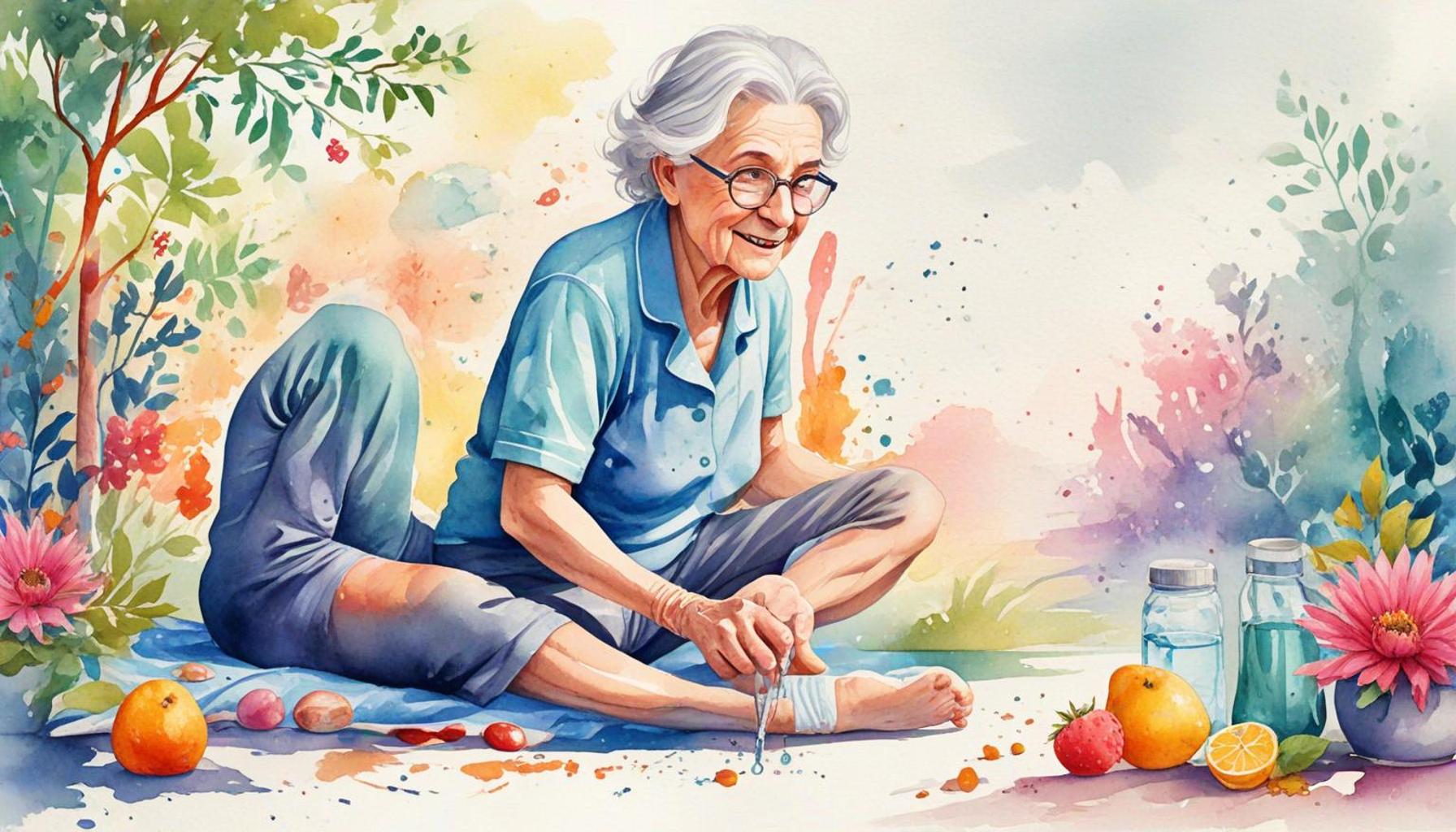
As the years go by, the significance of leading an active lifestyle becomes increasingly apparent. Engaging in physical activity serves not only to enhance overall health but also to elevate one’s quality of life. Scientific research continues to show that regular exercise is instrumental in improving mobility, bolstering muscle strength, and promoting mental well-being.
To illustrate this, let’s delve deeper into the key benefits of remaining active in older age:
- Improved cardiovascular health: A consistent exercise regimen can markedly lower the chances of developing heart disease. Activities that elevate heart rate, such as brisk walking, cycling, or swimming, help to improve circulation and maintain healthy blood pressure levels, which are crucial as one ages.
- Enhanced flexibility: Regular physical activity, particularly stretching exercises, plays a vital role in preserving joint function and reducing stiffness. Flexibility workouts can be as straightforward as simple stretches or more dynamic practices like yoga or Pilates, which not only enhance flexibility but also promote relaxation.
- Better balance: Exercises like yoga or tai chi are especially beneficial for older adults because they enhance balance and coordination. This, in turn, diminishes the risk of falls—a common concern for seniors. Approximately one in four older adults experience a fall each year, making balance-training exercises essential.
- Cognitive benefits: There is a substantial body of evidence linking physical activity with a slower progression of cognitive decline. Engaging in aerobic activities has been shown to increase blood flow to the brain, supporting cognitive functions and potentially warding off dementia or Alzheimer’s disease.
Beyond these health benefits, many older adults discover enjoyment through various forms of exercise, ranging from leisurely walks to engaging dance classes. The key is to find activities that are both enjoyable and achievable, fostering a lasting commitment to physical health.
Additionally, participating in community programs or group fitness classes often provides much-needed social interaction, helping to alleviate feelings of loneliness which can affect many during their later years. This social aspect is invaluable; studies have shown that social engagement can significantly enhance both mental and emotional well-being.
Incorporating physical activity into daily routines can be achieved with strategic planning. Simple activities, whether it be a stroll in the park, a swim at a local pool, or joining a group exercise program specifically designed for seniors, can provide significant benefits. Identifying what resonates most with you is crucial for maintaining an active lifestyle as you age.
In conclusion, as we move into our golden years, embracing an active lifestyle is more than just a health recommendation; it is a pathway to a fulfilling, enriched life. By exploring various activities and committing to regular physical engagement, the golden years can indeed be vibrant and full of life.
Finding the Right Exercise for Your Lifestyle
As we enter our later years, it becomes essential to tailor physical activities to our abilities and interests. The good news is, there is a diverse array of exercises suitable for older adults that not only enhance fitness but also cater to varying levels of mobility and stamina. Understanding these options is vital for fostering a successful routine.
Incorporating exercise into your daily regimen does not necessarily mean committing to an intense workout at the gym. Here are some beneficial activities that older adults can start integrating into their lives:
- Walking: One of the simplest yet most effective forms of exercise, walking can be done virtually anywhere. Aim for a brisk pace that elevates your heart rate. Walking groups are also a fantastic way to socialize while staying active.
- Swimming: For those with joint concerns or mobility issues, swimming provides a low-impact alternative that is easy on the body. Many local community pools offer senior swim classes, promoting both physical health and social interaction.
- Resistance training: Incorporating light weights into your routine can help build muscle strength, which is crucial for combating age-related muscle loss. Resistance bands are a versatile tool often used in senior fitness classes and can provide a safe way to enhance strength.
- Group fitness classes: Many gyms and community centers offer specialized classes designed for the elderly. These classes can range from Zumba Gold to chair yoga, catering specifically to the needs and preferences of older adults.
- Cycling: Riding a stationary bike can be an excellent way to get your heart pumping in a controlled indoor environment. Many senior living communities host cycling sessions which enhance cardiovascular fitness while accommodating individual skill levels.
Choosing the right activity is all about personal preference and comfort levels. It is helpful to experiment with different options until you find what you enjoy the most. Additionally, understanding your body’s limits is crucial; never hesitate to modify exercises or seek professional guidance. Physical trainers experienced in senior fitness can provide tailored advice and develop workout plans that fit individual needs.
Moreover, consistency is key. The American Heart Association recommends that older adults engage in at least 150 minutes of moderate aerobic activity or 75 minutes of vigorous activity each week. This goal can seem daunting at first, but breaking it down into manageable daily increments can make it more achievable. For instance, committing to 30 minutes of exercise five days a week is a great way to start.
Ultimately, the focus should be on moving your body in ways that are enjoyable and foster an ongoing motivation to stay active. Embracing an exercise routine that blends social interaction, fun, and a sense of achievement can lead to a vibrant and healthy lifestyle throughout your golden years.
Importance of Nutrition in Maintaining Health
While physical activity is crucial for promoting health in older adults, equally important is the role of nutrition. As our bodies age, our nutritional needs change, and adopting a balanced diet is vital for maintaining optimal health. This means paying close attention to what we eat, ensuring that we provide our body with the essential nutrients it requires to function effectively.
The dietary requirements of older adults often include higher levels of certain nutrients to combat the risks associated with aging. Here are some key components to include in your daily meals:
- Protein: It’s essential for preserving muscle mass, which can decline with age. Sources like lean meats, dairy, legumes, and nuts are excellent choices. Aim for a protein intake spread throughout your meals to meet daily requirements effectively.
- Calcium and Vitamin D: These nutrients are critical for bone health. Older adults should consume adequate amounts of dairy products, leafy greens, and fish rich in omega-3 fatty acids. Vitamin D can also be obtained through sensible sun exposure or fortified foods.
- Fiber: A high-fiber diet supports digestive health and can prevent constipation, a common issue for seniors. Foods like whole grains, fruits, and vegetables should be staples in daily meals.
- Hydration: As we age, our sense of thirst may diminish, leading to dehydration. It’s important to drink plenty of fluids, especially water, and consume foods with high water content, such as fruits and soups.
- Antioxidants: Foods rich in antioxidants, like berries, nuts, and dark chocolate, can help combat inflammation and oxidative stress, contributing to overall health and longevity. Incorporating a variety of colorful fruits and vegetables can provide these beneficial compounds.
Additionally, adopting a Mediterranean-style diet has been shown to offer numerous health benefits for older adults. Characterized by a high intake of fruits, vegetables, whole grains, and healthy fats, this diet has been associated with lower risks of heart disease, stroke, and cognitive decline. With its emphasis on olive oil, nuts, and fish, the Mediterranean diet not only nourishes the body but also enhances the enjoyment of meals through diverse flavors and cooking techniques.
Alongside proper nutrition, the concept of mindful eating should be embraced. This involves paying attention to hunger cues and eating slowly, savoring each bite, and enjoying a balanced meal experience. This practice not only enhances digestion but also helps foster a healthier relationship with food.
The Role of Social Interaction in Healthy Aging
It’s worth noting that staying active during old age extends beyond just physical exercise and healthy eating; social interaction plays an indispensable role too. Engaging socially has been correlated with improved mental health, reduced feelings of loneliness, and even enhanced cognitive function. Participating in community classes, volunteering, or joining clubs focused on hobbies are excellent ways to maintain social connections while being active.
Research suggests that older adults who maintain an active social life experience slower cognitive decline. It’s seen that relationships with family and friends contribute significantly to emotional stability, thereby enhance motivation to remain physically active. Having a workout buddy or joining group activities draws older adults out of isolation, creating a sense of accountability and enjoyment in the process of staying active.
Moreover, many communities across the United States are creating inclusive programs aimed at promoting social engagement among seniors. These initiatives often include local meet-ups, fitness classes near parks, and volunteering opportunities at community centers, all designed to boost both physical activity and social interaction.
Ultimately, when looking to stay healthy and active during old age, consider a holistic approach that encompasses exercise, nutrition, and social ties. By integrating these elements into daily life, older adults can enjoy healthier, more fulfilling years ahead.
Final Thoughts on Active and Healthy Aging
As we navigate the complexities of aging, it is imperative to recognize the multifaceted approach to maintain both physical and mental health. Staying active during old age is not merely about incorporating exercise into our routines; it extends to embracing a comprehensive lifestyle that prioritizes nutrition, social interaction, and mental well-being. A balanced diet rich in proteins, calcium, fiber, and antioxidants forms the foundation upon which good health is built. Pairing this with regular physical activity can significantly enhance longevity and the quality of life, ultimately reducing the risks associated with chronic diseases.
Equally essential is the role of connection with others. Engaging in community activities or simply staying connected with friends and family can mitigate feelings of isolation, improve mental health, and even slow cognitive decline. The traditional view of aging often casts a shadow over the potential for vitality and fulfillment, but disengagement is not an option. Instead, individuals can look forward to vibrant experiences by embracing change and seizing opportunities to learn, connect, and grow.
Communities across the United States are increasingly recognizing the importance of fostering an environment that supports active aging. By participating in local initiatives, older adults not only enrich their lives but also contribute significantly to the social fabric around them. In summation, staying active and healthy during old age is achievable through a unified strategy of physical activity, mindful nutrition, and social engagement, paving the way for a fulfilling and enriched later life.

Linda Carter
Linda Carter is a writer and wellness coach specializing in holistic health and personal well-being. With extensive experience helping individuals achieve balanced lifestyles and make informed health choices, Linda shares her expertise on our platform. Her goal is to empower readers with practical advice and sustainable strategies for lifelong wellness success.