
Functional training: how to improve your daily performance with simple exercises
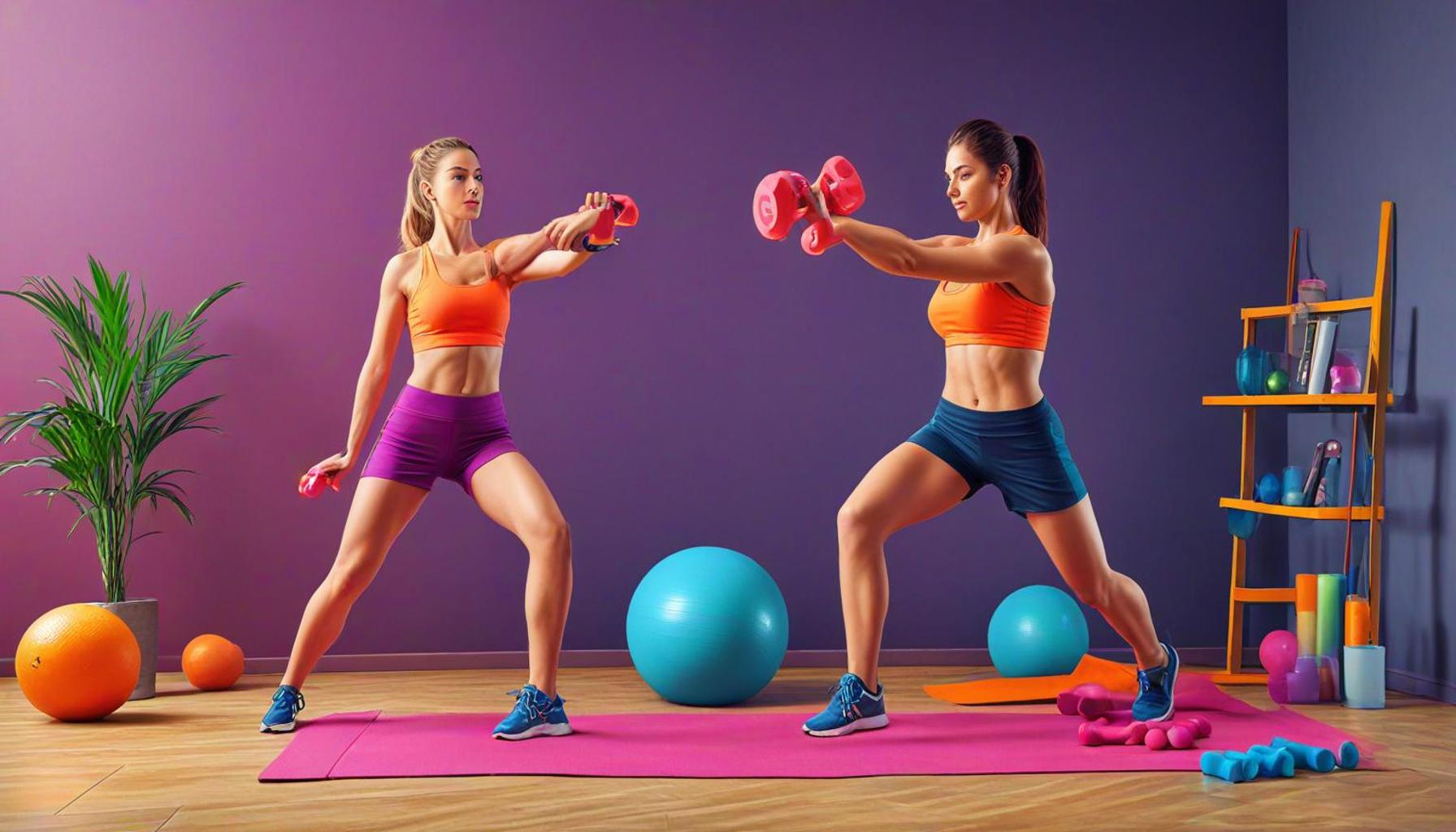
Discover the Benefits of Functional Training
In an era where we find ourselves juggling multiple responsibilities—from demanding jobs to family obligations—the importance of optimizing our physical capabilities cannot be overstated. Functional training emerges as a pertinent solution to enhance not just athletic performance but also daily life functionalities.
This type of training is fundamentally different from traditional workouts that typically focus on isolating specific muscles. Instead, it emphasizes movements that closely replicate the actions we perform every day, thereby making the workout more relevant and effective. Here are some pivotal advantages of incorporating functional training into your fitness regimen:
- Improved Mobility: One of the key benefits of functional training is the enhancement of joint function and flexibility. Movements such as dynamic stretches and mobility drills can equip your joints with the range of motion necessary for various activities, resulting in improved posture and reduced stiffness.
- Injury Prevention: Engaging in functional movements increases the strength of stabilizing muscles. By developing core strength and balance through exercises like kettlebell swings or single-leg deadlifts, you shield your body from the typical strains and sprains that can occur in everyday life.
- Increased Strength: Functional training builds strength that translates to real-world activities. For instance, performing deadlifts not only boosts your ability to lift heavy objects but also enhances your capacity to carry shopping bags or lift a child, showcasing the practical benefits of this training method.
Moreover, incorporating fundamental exercises such as squats, lunges, and planks can seamlessly integrate into your daily routine. These movements prepare your body for a variety of tasks, whether it’s lifting groceries, navigating stairs, or playing with kids in the park. Imagine how much easier these activities become when your body is conditioned to handle them efficiently.
What’s particularly appealing about functional training is its inclusivity; it is not restricted to seasoned athletes or fitness enthusiasts. Families can participate together, using bodyweight exercises to engage and bond, showcasing just how versatile and accessible this approach is.
Whether you’re at home, in a local park, or working out at the gym, embracing functional training can pave the way for significant improvement in your overall wellness. By prioritizing these exercises, you can potentially transform not only your physical condition but also your approach to everyday challenges. Delve deeper into the realms of functional training and uncover how a simple shift in your exercise routine can lead to profound changes in your life.
Understanding the Essentials of Functional Training
Functional training revolves around the concept of engaging in exercises that improve everyday movements, focusing on the core and stability. Unlike traditional workouts that isolate muscles, functional exercises train your body to perform better in real-life situations. This approach can yield benefits that are vital not just for fitness enthusiasts but also for anyone looking to enhance their daily performance. You might wonder, what exactly constitutes functional training, and how can it be integrated into a busy lifestyle? Let’s delve deeper.
At its core, functional training seeks to improve your strength, balance, and coordination. This multifaceted workout method emphasizes movements that mimic daily activities—lifting, bending, reaching, pushing, and pulling. To illustrate, consider how often you bend down to tie your shoes or reach for an item on a high shelf. Now, envision tackling these simple tasks with greater ease and efficiency due to improved physical capability.
Here are some compelling aspects that highlight the essence of functional training:
- Real-World Application: Every move executed during functional training, whether it be squatting down to pick up a child or lunging forward to grab a falling object, resembles an action you are likely to perform regularly. This method assures that you are not just working out in isolation but preparing your body for the demands of everyday life.
- Time-Efficiency: With busy schedules, finding time to exercise can be challenging. Functional training can often be conducted in shorter sessions, and many exercises require little to no equipment. For instance, bodyweight exercises like push-ups and squats can be done during a lunch break, allowing you to boost your strength quickly.
- Scalability: One of the noteworthy features of functional training is that it can be easily adapted to different fitness levels. Whether you are a beginner or an advanced athlete, exercises can be modified to fit your ability, ensuring that everyone can reap the benefits.
Research indicates that engaging in functional movements reduces the risk of chronic conditions such as obesity and heart disease, which are prevalent in the United States. A study from the American College of Sports Medicine suggests that incorporating functional training not only improves muscle strength but also significantly enhances cardiovascular health. Moreover, injury prevention is fortuitous when one adopts functional exercises, as they not only bolster the muscles but also instill a sense of awareness regarding bodily movements.
The beauty of functional training lies in its versatility. You can easily integrate these workouts into your schedule by utilizing minimal space, making it particularly appealing for those who may not have access to a gym. As life often presents unpredictable physical demands, preparing your body through functional training can result in improved performance not only at the gym but also in every aspect of life—from carrying heavy packages to engaging in playful activities with your children.
Understanding functional training is just the beginning. By embracing this holistic approach, you open the door to a more active, engaged, and fulfilling lifestyle that promotes health and vitality. Stay tuned as we explore various simple yet powerful exercises to incorporate into your routine, transforming ordinary tasks into extraordinary feats of strength and agility.
Incorporating Functional Exercises into Your Daily Routine
Now that we understand the foundational principles behind functional training, the next step is to discover how to seamlessly incorporate these exercises into your daily life. The beauty of this approach lies in its adaptability to various environments, whether at home, at work, or on the go. Here are some practical strategies to get you started.
Utilize Your Environment: One of the most remarkable aspects of functional training is that it can be performed virtually anywhere. Look around you; your home or office is full of opportunities to engage in functional movements. Use sturdy chairs for step-ups or triceps dips, incorporate your staircase for lunges and stair climbing, or employ your desk for desk push-ups. With a bit of creativity, common spaces transform into dynamic workout venues.
Short Bursts of Activity: Research from the American Heart Association highlights the effectiveness of short intervals of intense exercise. Consider integrating brief bouts of physical activity into your morning routine. Dedicate just five minutes to a series of functional exercises—such as bodyweight squats, plank variations, or jumping jacks—before starting your day. Not only does this invigorate your body, but it also boosts your mood and enhances focus throughout the day.
Engage in Multi-tasking Workouts: If you’re short on time, combine functional training with other daily tasks. For instance, while waiting for your coffee to brew, perform calf raises or wall sits. During conference calls, you can alternate between standing and sitting while engaging in core stability exercises like seated leg lifts or standing twists. Finding ways to incorporate movement into your regular activities can lead to increased energy and productivity.
Family-Friendly Functional Training
Involve Your Loved Ones: Functional training doesn’t have to be a solo endeavor; it can be an engaging family activity. Involve your children or partner in exercises that promote playfulness while enhancing physical capabilities. Relay races, obstacle courses in the backyard, or community sports can blend fitness and enjoyment, fostering a supportive environment that cherishes health. As evidenced by the National Institute of Health, active family time contributes positively to mental and emotional well-being, making it a win-win situation.
Focus on Specific Functional Movements: To tailor your functional training further, incorporate specific exercises targeting the motions you perform daily. For example, practice deadlifts with kettlebells or resistance bands to make lifting objects less straining. Belly breathing and core stabilization exercises can enhance posture, making activities like sitting for extended periods at work more comfortable. Try incorporating rotational movements to mimic tasks like reaching to grab items from various angles. Understanding your routine and its demands allows for targeted training, significantly increasing strength and efficiency.
In addition to enhancing your physical performance, functional training also supports mental resilience. By mastering these movements, you cultivate a profound sense of awareness regarding your body’s capabilities and limitations, which can translate into improved self-confidence and motivation. Moreover, engaging in functional training has been linked to greater life satisfaction and decreased stress levels, according to findings from various health organizations.
Functional training is not merely a fitness trend; it’s an empowering lifestyle choice that lays the groundwork for long-term health and vitality. By finding ways to incorporate these exercises within your day, you’ll unearth not only improved physical abilities but also an essential toolkit for living an energetic, vibrant life. The journey of discovering the power of functional training is just beginning, and the road ahead is paved with countless possibilities for enhancing your daily performance.
Final Thoughts on Functional Training for Daily Performance
In conclusion, embracing functional training can profoundly transform your daily performance and overall well-being. By integrating simple exercises into your routines, you not only bolster your physical capabilities but also enhance your mental resilience. The versatility of functional training allows you to adapt workouts to any environment, maximizing your opportunities for movement. Whether it’s making use of your home or incorporating activity into mundane tasks, this training modality is practically limitless.
Furthermore, the key to achieving significant results lies in consistency and creativity. By dedicating just a few minutes each day to short bursts of functional exercises, you can experience a remarkable boost in energy and focus. Additionally, involving family members in your training can turn fitness into a fun, shared experience, reinforcing healthy habits in your household.
As you embark on or continue your functional training journey, remember that awareness of your body’s strengths and limitations leads to enhanced self-confidence and motivation. It’s more than just a temporary fitness trend; it’s a holistic approach to living a vibrant and fulfilling life.
So, whether you’re looking to improve your physical performance, reduce stress, or cultivate a greater sense of well-being, functional training offers a comprehensive toolkit to help you thrive in your daily life. Take the leap, start small, and unlock the numerous benefits that await when you prioritize functional movement.

Linda Carter
Linda Carter is a writer and wellness coach specializing in holistic health and personal well-being. With extensive experience helping individuals achieve balanced lifestyles and make informed health choices, Linda shares her expertise on our platform. Her goal is to empower readers with practical advice and sustainable strategies for lifelong wellness success.