How Credit Card Use Can Increase Debt: Tips for Using Them Wisely
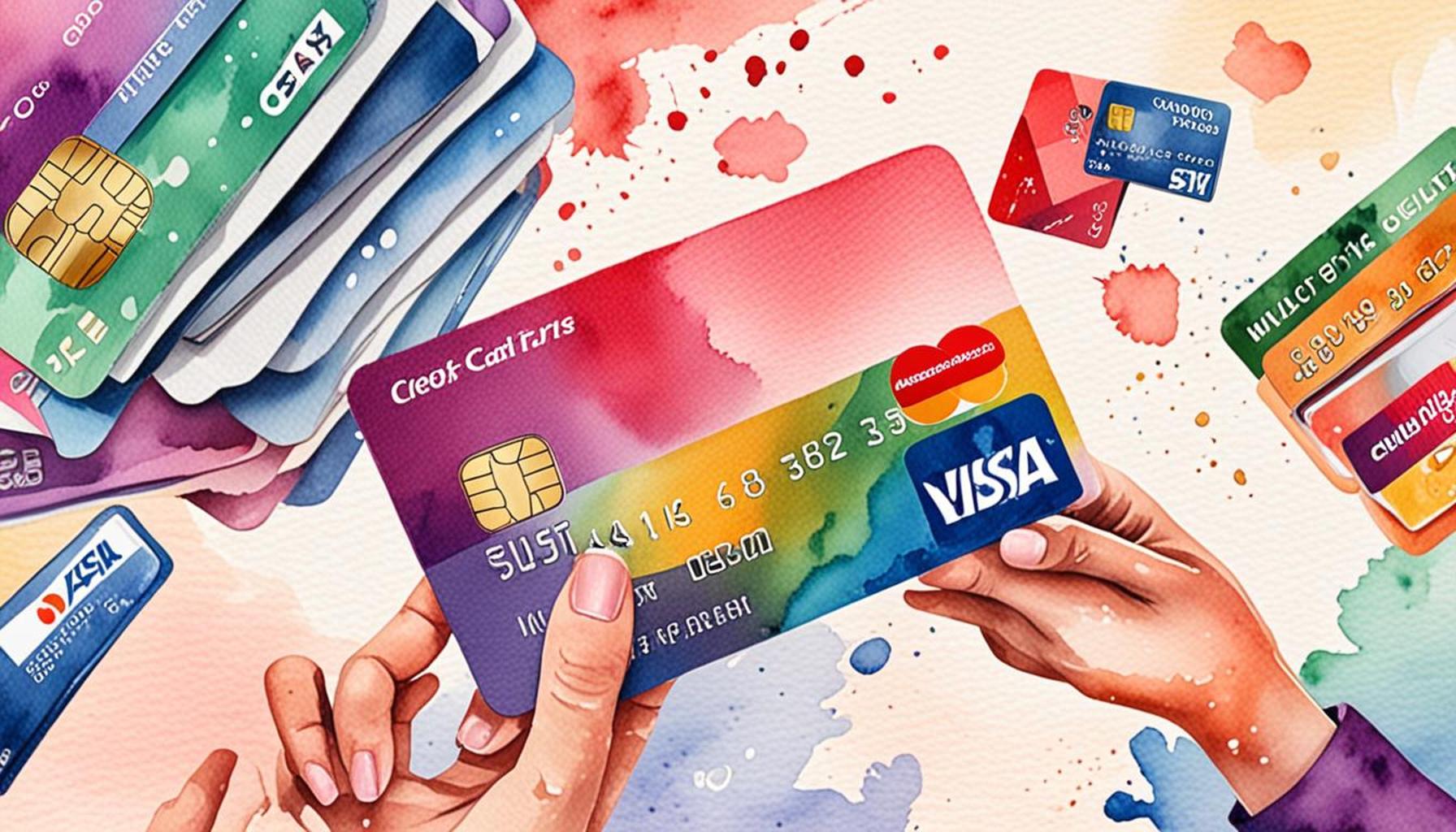
A Deep Dive into Credit Card Debt
Credit cards can be a double-edged sword for consumers. While they open the door to a world of financial flexibility, they can also lead to a slippery slope of debt if not managed wisely. A credit card enables individuals to build a robust credit history, which is crucial when applying for loans or mortgages. In addition, many credit cards provide enticing rewards programs, such as cash back or travel points, which can benefit users who pay off their balance each month. However, if the dangers of credit card use are not carefully navigated, it can quickly transform into a financial burden.
The Challenge of Managing Credit
The reality is that many Americans are ensnared in a cycle of credit card debt. There are several common pitfalls that lead to this predicament:
- Impulse purchases: It is all too easy to make spontaneous decisions to buy something simply by swiping a card. Retail therapy, especially when combined with promotional sales and instant gratification, can lead to accumulating a balance that is hard to repay.
- High-interest rates: Many credit cards come with exorbitant interest rates that can escalate quickly. For instance, if you carry a balance of $5,000 on a card with a 20% annual percentage rate (APR) and only make the minimum payment, you could end up paying thousands in interest over several years. This scenario highlights the importance of understanding the terms associated with your credit card.
- Minimum payments: While it may seem manageable to pay only the minimum due each month, this approach can trap individuals in a cycle of debt. The more one relies on minimum payments, the longer it will take to pay off the balance, often leading to interest compounding and a never-ending debt cycle.
To steer clear of these pitfalls, individuals must recognize the behaviors and patterns that contribute to credit card debt. By doing so, they can adopt practical strategies for responsible credit card use. For example, setting a spending limit that aligns with monthly budgets, utilizing alerts to keep track of due dates, and fully understanding the terms of their card can empower users.
In conclusion, the key to unlocking the benefits of credit cards lies in informed and intentional usage. Taking the time to learn about rates, understanding spending habits, and maintaining discipline in payments can transform credit cards from mere plastic into powerful instruments for financial growth and stability. By prioritizing responsible management and recognizing potential risks, consumers can truly harness the advantages that credit cards offer in their financial journey.
DISCOVER MORE: Click here for detailed application tips
Recognizing the Signs of Credit Card Mismanagement
As credit cards become a staple in American consumer culture, it is crucial to understand the subtle signs that indicate potential mismanagement. Recognizing these early warning signs can help individuals take proactive steps toward responsible credit use, thereby avoiding the overwhelming burden of debt.
One of the most significant indicators that credit card use is spiraling out of control is when individuals find themselves consistently reaching their credit limits. Maxing out credit cards not only affects your credit score but also increases your overall debt load, potentially trapping you in a cycle where payments barely make a dent in the principal amount owed. A credit utilization ratio that exceeds 30% is often deemed unfavorable, warning signs that one’s debt level may be too high relative to income. Thus, monitoring this ratio is essential in maintaining a healthy financial standing.
Another crucial aspect to consider is the habit of viewing credit cards as an extension of one’s income. Using credit to fund daily expenses without a clear plan to pay it off can create a dangerous cycle of debt accumulation. For example, treating a credit card like a checking account leads many to overlook how quickly charges can pile up. While it may seem harmless to swipe a card for groceries or gas, each charge adds to the outstanding balance, gradually inflating what seems manageable at first.
Additionally, the psychological effect of accumulating rewards can cloud judgment. Many consumers get swept up in the allure of earning points or cash back, prompting them to spend more than they usually would. This “rewards trap” often leads to purchases that exceed one’s budgetary constraints, consequently increasing the amount charged on the card. For instance, someone might justify buying a new pair of shoes because they will earn rewards points, only to later realize that the expense was unnecessary and burdensome on their finances.
Creating a Strategic Spending Plan
Awareness is the first step toward combating the influences that breed debt, but it must be coupled with concrete strategies. Here are a few essential tips for using credit cards wisely:
- Set a monthly spending limit: Allocate a predetermined amount for credit card purchases, ensuring it fits within your overall budget.
- Track every transaction: Monitoring spending helps identify any impulsive purchases or emerging patterns that could jeopardize financial stability.
- Schedule regular payments: Making payments more than once a month can help reduce interest accrued and contribute to smaller outstanding balances.
- Utilize budgeting apps: Technology can serve as a valuable ally by offering reminders and insights into spending habits, encouraging disciplined use.
Implementing these strategies can help in cultivating a more mindful approach to credit card use. Not only does this empower consumers to make informed decisions, but it also provides a pathway away from the pitfalls associated with reckless credit card spending. In doing so, individuals can enjoy the advantages that credit cards offer without succumbing to the traps of spiraling debt.
DISCOVER MORE: Click here to find out how to apply
Understanding Interest Rates and Debt Repayment
Another crucial factor in managing credit cards effectively lies in understanding how interest rates operate and the impact they have on your overall debt. Credit cards often come with high-interest rates, sometimes exceeding 20% APR (annual percentage rate). This means that carrying a balance from month to month can significantly inflate debt, as interest compounds on existing balances. For instance, if you find yourself with a $1,000 balance and an APR of 20%, you could potentially pay over $200 just in interest within a year if the balance goes unpaid. This cycle of accruing interest can quickly render any small purchases into much larger debts, demanding attention to repayment strategies.
To stave off this escalating debt, it is essential to prioritize making payments that exceed the minimum due. Paying only the minimum each month extends the repayment period and results in additional interest costs, which can keep individuals in debt far longer than anticipated. By committing to pay more than just the minimum, you reduce both the principal balance and the total interest paid over time, allowing you to take control of your finances.
Maximizing Benefits While Maintaining Discipline
While it’s prudent to be mindful of potential missteps, there are ways to maximize the benefits of credit card use without engaging in harmful financial behavior. Here are some approaches to consider:
- Take advantage of introductory offers: Many credit cards provide attractive bonuses such as cash back or rewards points for new users. By using these in moderation, you can enjoy the benefits without overwhelming your budget.
- Use credit for planned purchases: When you know you have upcoming expenses—like travel or significant purchases—using a credit card can be advantageous if you plan to pay it off in full shortly after.
- Establish an emergency fund: Building a savings cushion can reduce reliance on credit cards for unexpected expenses, helping to avoid the pitfalls of reliance on borrowed funds.
- Consider balance transfers wisely: If you already carry a balance on one card, transferring it to a card with a lower interest rate can save you money. Just be mindful of any transfer fees that may diminish the benefits.
Implementing these strategies encourages a more strategic approach to credit card utilization. Being intentional about spending, understanding the implications of accruing interest, and applying methods that maximize benefits can create a healthier financial outlook. Remember, credit cards can be powerful tools when used wisely, but unchecked and impulsive use can lead to severe financial challenges. Educating yourself and embracing good practices is the key to enjoying the conveniences of credit while steering clear of crippling debt.
DISCOVER MORE: Click here to learn how to apply
Conclusion
In today’s fast-paced world, credit cards can be both a blessing and a burden. While they provide convenience and enhance purchasing power, unchecked use can lead to overwhelming debt, significantly impacting one’s financial stability. Understanding how credit cards work, particularly regarding interest rates and effective repayment strategies, is essential for maintaining a healthy financial profile. By committing to pay more than the minimum balance, leveraging rewards without overindulgence, and planning for expenses ahead of time, individuals can harness the benefits of credit without falling into the debt trap.
Moreover, establishing a safety net in the form of an emergency fund further diminishes the reliance on credit for unexpected costs, reinforcing financial resilience. Remember, the power of credit lies in the hands of the user. With informed decision-making and disciplined spending habits, you can pave the way toward a secure financial future.
Finally, it’s crucial to approach credit with both caution and respect. Making a concerted effort to educate yourself on the ramifications of credit card use can empower you to enjoy its perks while avoiding the potential pitfalls of excessive debt. Embrace the strategies highlighted in this article and take charge of your financial destiny, ensuring that your credit card serves you rather than the other way around.

Linda Carter
Linda Carter is a writer and financial expert specializing in personal finance and financial planning. With extensive experience helping individuals achieve financial stability and make informed decisions, Linda shares her knowledge on our platform. Her goal is to empower readers with practical advice and strategies for financial success.