Trends and Innovations in Credit Cards: The Future of Financial Transactions
Understanding the Modern Landscape of Credit Cards
In today’s fast-paced economy, credit cards extend beyond mere transactional tools; they play a crucial role in empowering individuals to manage their finances effectively. With the advent of advanced technology, the credit card industry is undergoing significant transformation, reshaping not only how consumers pay but also how they perceive and utilize their financial resources.
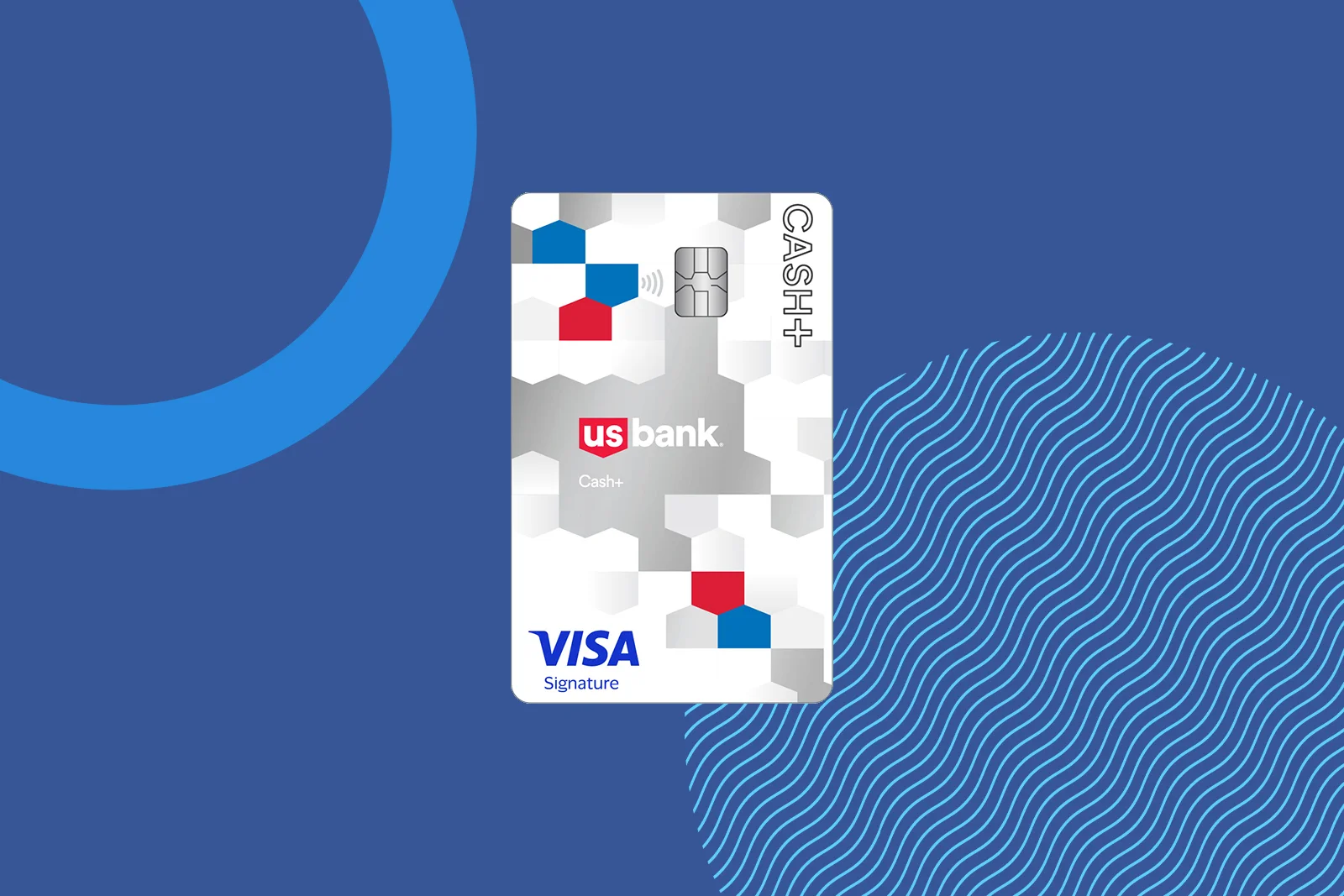
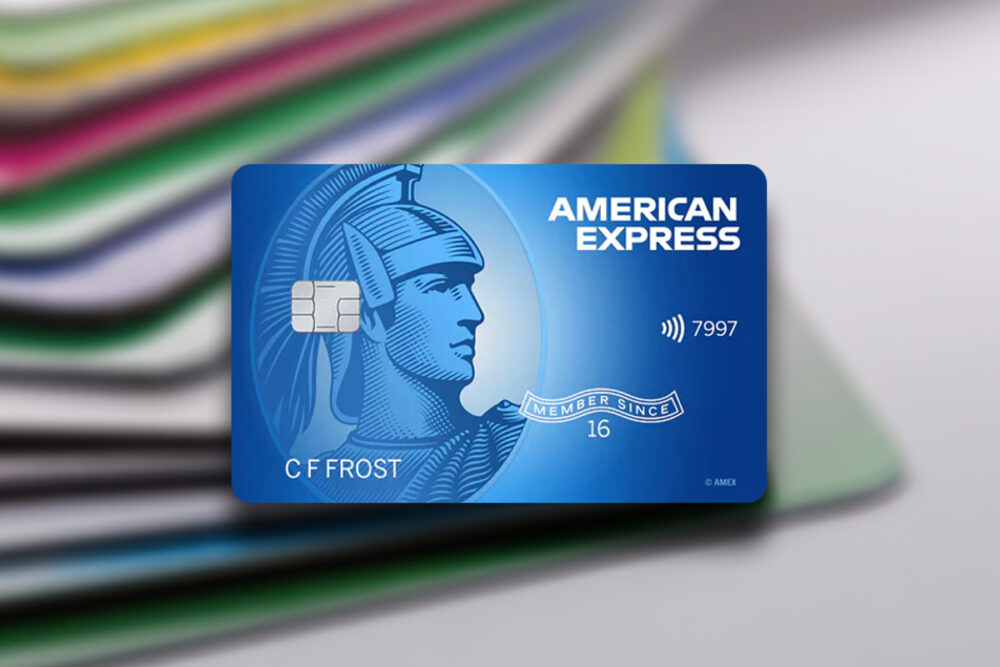
Recent innovations in credit cards have made financial transactions more secure and convenient than ever before. One of the most prominent features that consumers now encounter is the contactless payment technology. This system, often referred to as “tap and go,” allows users to complete transactions with just a tap of their credit card against a terminal equipped with Near Field Communication (NFC) technology. For instance, in major cities across the United States, such as New York and San Francisco, retailers widely accept contactless payments, significantly speeding up the checkout process and reducing wait times for consumers.
Another trend that has gained immense traction is the integration of credit cards with mobile wallets. Applications such as Apple Pay, Google Wallet, and Samsung Pay allow consumers to store their credit card information securely on their smartphones. This integration facilitates not only easier payments but also adds an additional layer of security, as many of these apps utilize tokenization technology. This means that rather than transmitting your actual card number, the app generates a unique token for each transaction, safeguarding users against potential fraud.
Speaking of security, there has been a marked shift towards enhanced security measures in the realm of credit cards. Consumers can now enjoy options like biometric authentication, which employs fingerprint or facial recognition to authorize transactions. Moreover, instant transaction alerts sent via text or app notifications provide users with real-time updates on their spending, alerting them immediately to any unauthorized activity. For example, if a purchase appears that the cardholder did not initiate, they can quickly freeze their card and contact their issuer, mitigating potential losses.
This evolution in credit card technology does more than merely make transactions more efficient; it invites consumers to rethink their relationship with money. With features like rewards programs that incentivize spending on specific categories such as groceries or travel, credit cards are steering consumers toward strategic financial decision-making. By accumulating points, users can benefit from discounts, cashback, and even travel opportunities, encouraging them to utilize their cards responsibly while reaping substantial benefits.
As we explore these innovations further, it is essential to recognize how they lay the groundwork for the credit card industry’s future. The trends of contactless payments, mobile wallet integration, and enhanced security features signify a shift toward a more digital, secure, and efficient method of managing finances. By understanding these developments, consumers can not only enjoy the conveniences of modern credit cards but also maximize the financial advantages they offer, paving the way for informed spending in an ever-evolving financial landscape.
LEARN MORE: Click here to find out how to apply
Emerging Features That Shape Consumer Experience
The landscape of credit cards is swiftly evolving, incorporating a myriad of features that enhance consumer experience and adapt to changing expectations. One notable innovation is the emergence of augmented reality (AR) in mobile applications associated with credit cards. Imagine a scenario where, while browsing your favorite shopping app, you can visualize how a new pair of shoes would look on your feet before making a purchase. Brands are leveraging AR technology to offer virtual try-ons, providing consumers with a rich, engaging shopping experience that pairs well with their credit card transactions. This feature not only makes shopping more interactive but also promotes smarter purchasing choices.
As financial literacy becomes increasingly important, many credit card issuers are developing tools that offer personalized financial insights. These tools analyze spending habits and categorize expenses, enabling consumers to better understand their financial behaviors. For example, users may receive notifications that analyze their spending patterns, highlighting trends such as overspending in certain categories or suggesting budgeting strategies tailored to their individual financial situations. This type of analytic engagement not only adds value to the credit card experience but empowers users to make informed financial decisions.
In addition to personalized insights, the personalization of rewards programs has gained significant momentum. Many credit card companies are now offering customizable rewards, allowing cardholders to choose the categories that align with their spending habits. Whether it’s dining, travel, or groceries, consumers can tailor their rewards structure, ensuring they get the most out of their spending. This flexibility not only strengthens customer loyalty but also becomes a competitive differentiator in a crowded market. Below are some perks of customizable rewards programs:
- Increased Engagement: Cardholders feel more connected to their rewards, frequently using their cards to maximize benefits.
- Consumer Empowerment: The ability to select categories promotes a sense of control over financial benefits.
- Loyalty Development: Customizable options enhance brand loyalty, encouraging consumers to prefer specific credit cards over others.
One area experiencing significant growth is the focus on financial wellness education. Credit card companies are recognizing the importance of fostering a more financially educated consumer base. Numerous issuers now provide educational content, tools, and resources directly within their mobile apps. This effort encapsulates budgeting tips, investment strategies, and even discussions surrounding credit scores. By prioritizing financial literacy, credit card companies contribute positively to their users’ overall financial health, creating a win-win situation.
Furthermore, the rise of cryptocurrency introduces a new wave of opportunities in the credit card space. Several financial institutions have begun to experiment with crypto-backed credit cards, allowing consumers to earn rewards in digital currencies or even pay for purchases using crypto. As attitudes toward cryptocurrency evolve, this integration promises to redefine transactions, making it integral for credit card issuers to keep pace with these developments.
These emerging features and innovations represent a shift toward a more consumer-centric approach in the credit card industry. As technology continues to advance, credit cards will not only serve as a means of payment but will also evolve into comprehensive financial tools that are designed to enhance everyday consumer experiences. Understanding these trends today is essential for navigating the future of financial transactions effectively.
DISCOVER MORE: Click here to learn how to secure your financial future
The Impact of Contactless Technology and Security Enhancements
The transition to contactless payment technology has revolutionized the way consumers engage with credit cards. As people increasingly seek convenience, credit card issuers have rapidly adopted this technology, allowing users to make payments simply by tapping their cards on a terminal. This seamless interaction not only speeds up the checkout process but also aligns perfectly with evolving consumer expectations for swift and hassle-free transactions. During the pandemic, contactless payments gained significant traction as health concerns made cash handling undesirable, leading many to prefer contactless credit cards for both everyday purchases and larger transactions.
Moreover, as digital payments rise, so do the concerns surrounding security. To address these issues, credit card companies are continually enhancing fraud prevention measures. One noteworthy advancement is the integration of biometric authentication—a technology enabling consumers to authorize payments through fingerprint scans or facial recognition. This kind of robust security not only offers peace of mind to users but also builds trust between consumers and financial institutions. The era of traditional PIN codes may be on the brink of obsolescence as biometric options become more accessible, presenting a more secure method of verifying identities in the financial space.
In addition, the implementation of real-time fraud alerts now stands out as a crucial feature among credit card issuers. These alerts instantly notify cardholders of suspicious transactions, enabling quick action to mitigate potential fraud. As financial crimes evolve, the necessity for responsive systems to protect users’ finances becomes increasingly evident. Consumers can now monitor their spending in real-time, benefiting from the increased control and transparency that comes with modern credit card solutions.
Integration of Financial Technology (FinTech)
The rise of FinTech has brought about transformative changes in the credit card landscape. Numerous startups are emerging with unique approaches that challenge traditional banking models, employing technology to deliver advanced financial solutions. Innovations like mobile wallets, peer-to-peer payment systems, and app-based money management have enhanced the user experience associated with credit cards, creating a more comprehensive ecosystem for consumers.
One such innovation is the growth of payment plan options linked to credit cards. Various issuers are now offering the ability to split larger purchases into bite-sized installments, allowing consumers to manage their budgets more effectively. This flexibility helps alleviate the stress of significant expenses, catering specifically to a demographic increasingly prioritizing financial wellness and responsible spending habits. Such features resonate strongly with millennials and Gen Z, demographics that desire both financial flexibility and control in their transactions.
Environmental Considerations
Another noteworthy trend in the credit card space is the growing emphasis on sustainability. A number of financial institutions are issuing eco-friendly credit cards made from recycled materials to appeal to environmentally conscious consumers. These cards often come with perks that promote cash back on purchases at sustainable businesses, fostering a sense of responsibility among cardholders. In the U.S., this trend aligns with a broader movement towards corporate responsibility and environmental stewardship, reflecting consumer demand for products that make a positive impact on society.
The continuous advancements in technology, personalized features, and sustainable practices demonstrate a commitment to improving the credit card experience. As these trends unfold, credit cards not only serve as a means of payment but also evolve into a cornerstone of modern financial management, adapting to the needs and values of today’s consumers. This dynamic landscape will only continue to transform, representing an exciting future for financial transactions in the United States and beyond.
DISCOVER MORE: Click here to find out how to apply
Conclusion
In conclusion, the landscape of credit cards is undergoing a remarkable transformation, driven by a synergy of technological advancements, evolving consumer expectations, and a heightened focus on sustainability. The rise of contactless payment technology has redefined convenience in financial transactions, catering to a growing desire for speed and efficiency, particularly in a post-pandemic world. Coupled with innovations such as biometric authentication and real-time fraud alerts, the emphasis on security is more paramount than ever, ensuring consumers feel protected while navigating their financial journeys.
Additionally, the integration of FinTech solutions empowers users to manage their finances more effectively, emphasizing the importance of flexibility in payment options and budgeting tools. As younger generations prioritize financial autonomy, credit card companies are rapidly adapting to meet these demands, embracing features that resonate with values of transparency and responsibility.
Lastly, the commitment to environmental stewardship through sustainable card practices reflects a shift in consumer consciousness, where choices made today can lead to a better tomorrow. As these trends continue to evolve, credit cards will undoubtedly play a pivotal role in shaping the future of financial transactions. Embracing change, while innovating responsibly, will pave the way for a landscape that not only facilitates economic empowerment but also aligns with the aspirations of a more socially and environmentally conscious society. The upcoming years promise exciting developments in credit card technology, ultimately transforming the way we perceive and engage with our finances.

Linda Carter
Linda Carter is a writer and financial expert specializing in personal finance and financial planning. With extensive experience helping individuals achieve financial stability and make informed decisions, Linda shares her knowledge on our platform. Her goal is to empower readers with practical advice and strategies for financial success.