The best foods to lower cholesterol and improve heart health

The Impact of Diet on Heart Health
As heart disease continues to be a leading cause of death in the United States, understanding the critical role diet plays in maintaining heart health is more relevant than ever. A growing body of research highlights how specific dietary choices can either enhance or undermine cardiovascular health. By incorporating heart-friendly foods into our daily diets, we can significantly improve our chances of living longer and healthier lives.
Understanding Cholesterol and Its Impact
Cholesterol is a waxy substance present in your blood that can influence your heart health. The two main types are LDL (low-density lipoprotein) and HDL (high-density lipoprotein). Elevated levels of LDL cholesterol often lead to plaque buildup in arteries, posing a risk for heart disease. Conversely, higher levels of HDL cholesterol can help transport cholesterol away from the arteries and back to the liver, where it is processed and removed from the body.
Given these factors, incorporating foods that lower LDL cholesterol, raise HDL cholesterol, and enhance overall cardiovascular health is essential. Research has shown that a few key dietary components can aid significantly in this endeavor.
Heart-Healthy Food Choices
When it comes to heart-healthy eating, it’s not just about avoiding unhealthy fats; it’s equally important to embrace foods that promote heart health. Let’s explore some of the recommended categories in more detail:
- Fatty fish: Rich in omega-3 fatty acids, varieties like salmon and mackerel have been shown to decrease inflammation and may help lower blood pressure. A 2019 study noted that consuming fatty fish twice a week is linked to a reduced risk of heart disease.
- Nuts and seeds: Almonds, walnuts, and flaxseeds offer a wealth of nutrients, including healthy fats, protein, and fiber. Research indicates that regular nut consumption can reduce LDL cholesterol while enhancing HDL levels, making them an excellent choice for snacking.
- Legumes: Foods such as lentils and beans are packed with protein and fiber, yet low in saturated fat. Studies show that including legumes in your diet can lead to significant reductions in cholesterol levels and improve heart health.
- Whole grains: Oats and quinoa are rich in soluble fiber, which helps lower cholesterol and control blood sugar levels. Eating whole grains can contribute to heart health by improving blood vessel function and reducing the risk of heart disease.
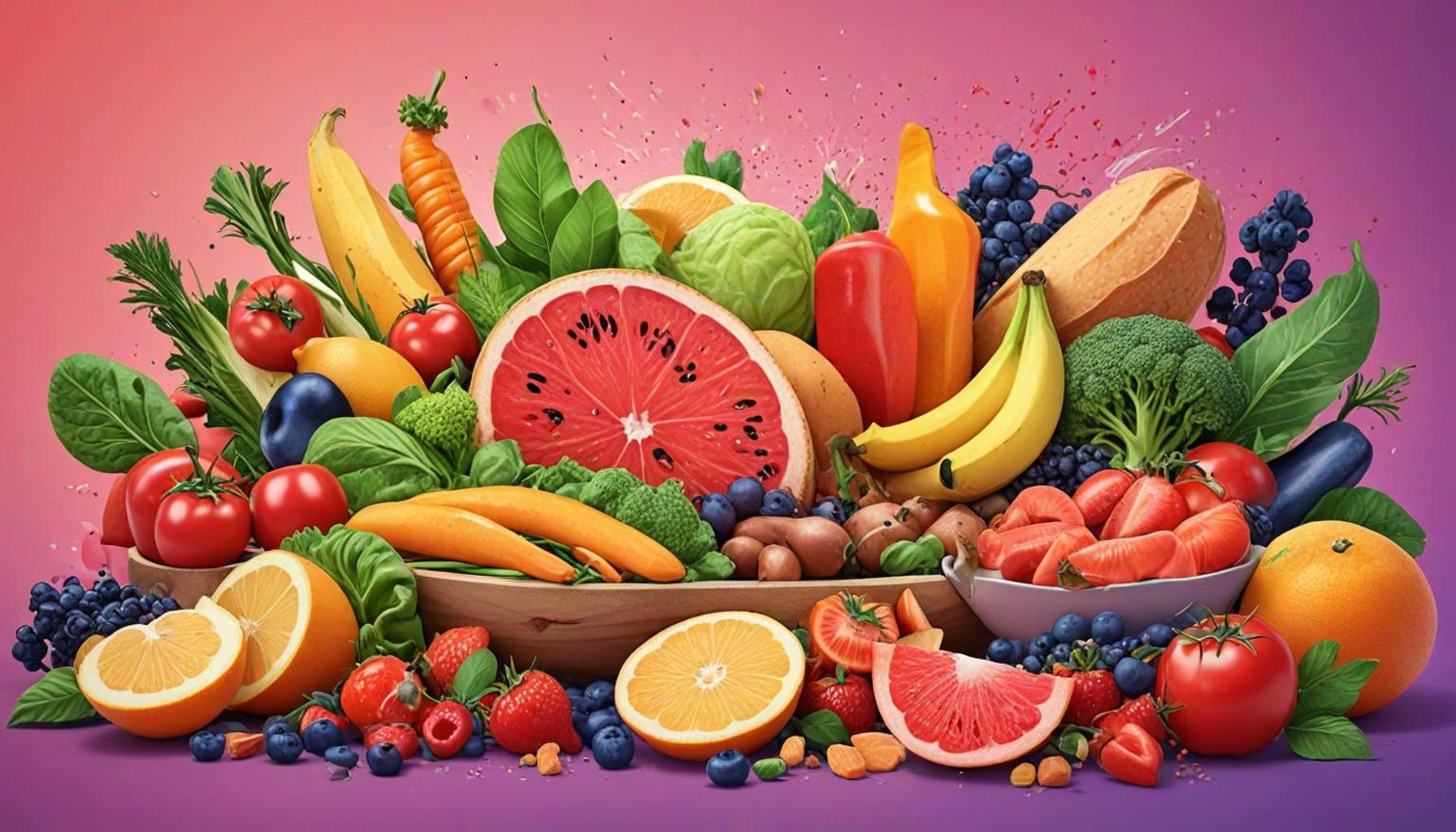
- Fruits and vegetables: Berries, especially blueberries and strawberries, are rich in antioxidants and have been shown to lower blood pressure. Leafy greens like spinach and kale provide vital vitamins and minerals that support heart function and overall health.
Exploring Delicious Possibilities
Adopting a heart-healthy diet doesn’t have to be a chore. The variety of wholesome foods available opens up a world of culinary opportunities. From a flavorful salmon salad topped with almonds and berries to a hearty bean chili loaded with vegetables, the possibilities are endless. This exploration not only improves health outcomes but also encourages a richer, more balanced lifestyle.
Ultimately, the choices we make at every meal set the foundation for a healthier heart. By prioritizing heart-friendly foods, we pave the way for sustaining not only our heart health but also our overall well-being. It’s time to take charge of your diet and discover how these nourishing foods can transform your life.
Heart-Healthy Food Choices
When it comes to heart-healthy eating, it’s not just about avoiding unhealthy fats; it’s equally important to embrace foods that promote heart health. Let’s explore some of the recommended categories of foods that can have a profound impact on cholesterol levels and overall cardiovascular well-being:
- Fatty fish: Rich in omega-3 fatty acids, varieties like salmon, mackerel, and sardines have been shown to decrease inflammation, lower blood pressure, and reduce the risk of heart disease. A 2020 study published in the American Journal of Clinical Nutrition highlighted that consuming fatty fish just twice a week could lead to a significant reduction in triglyceride levels, a key factor in heart disease.
- Nuts and seeds: Almonds, walnuts, chia seeds, and flaxseeds are packed with essential nutrients, including healthy fats, protein, and fiber. Numerous studies have indicated that regular consumption of nuts can lead to lower LDL cholesterol levels while enhancing HDL cholesterol, making them an excellent choice for daily snacking. A handful of nuts provides a heart-healthy boost that is both delicious and nutritious.
- Legumes: Foods such as lentils, chickpeas, and beans are rich in protein and fiber but low in saturated fat. Research shows that incorporating legumes into your diet can lead to significant reductions in cholesterol levels while also helping to stabilize blood sugar. A study in the journal Nutrition Reviews found that consuming legumes regularly may lower heart disease risk by an impressive 10 to 24 percent.
- Whole grains: Oats, barley, and quinoa are excellent sources of soluble fiber, which is known to help lower LDL cholesterol and control blood sugar levels. Eating whole grains can enhance overall heart health by improving blood vessel function. According to a study conducted by the Harvard School of Public Health, individuals who consume at least three servings of whole grains daily have a 25% lower risk of heart disease compared to those who consume refined grains.
- Fruits and vegetables: Berries, particularly blueberries and strawberries, are rich in antioxidants and have been shown to help lower blood pressure. Leafy greens like spinach, kale, and Swiss chard are loaded with vital vitamins and minerals that support heart function and overall health. A multi-state study found that individuals who eat at least five servings of fruits and vegetables daily had a significantly lower risk of cardiovascular diseases.
Exploring Delicious Possibilities
Adopting a heart-healthy diet doesn’t have to feel restrictive or dull. The variety of wholesome foods available opens up a world of culinary opportunities. Imagine a flavorful salmon salad topped with nuts and berries or a comforting lentil soup loaded with vibrant vegetables; the possibilities are both nutritious and delicious. By introducing these heart-friendly foods into our daily lives, we improve our health outcomes while enjoying satisfying meals that encourage a richer, more balanced lifestyle.
Ultimately, the choices we make at every meal set the foundation for a healthier heart. By prioritizing heart-friendly foods, we pave the way for sustaining not only our heart health but also our overall well-being. It’s time to take charge of your diet and discover how these nourishing foods can transform your life.
Innovative Ingredients for Heart Health
As we delve deeper into the quest for foods that promote heart health and lower cholesterol, it’s essential to consider less conventional but equally impactful ingredients. Some of these foods provide unique benefits that could be game-changers in your kitchen:
- Avocado: Often praised for their creamy texture, avocados are more than just a trendy ingredient; they’re a powerhouse of heart-healthy fats. Rich in monounsaturated fat, avocados can help lower LDL cholesterol and increase HDL cholesterol. Furthermore, a clinical trial published in the Journal of the American Heart Association reported that including avocados in a moderate-fat diet resulted in a significant decrease in total cholesterol, triglycerides, and LDL cholesterol levels.
- Olive oil: Extra virgin olive oil is laden with antioxidants and healthy fats, making it a staple of the Mediterranean diet renowned for its heart-health benefits. Incorporating olive oil into your diet can be as simple as using it for salad dressings or drizzling it over vegetables. Research published in the New England Journal of Medicine indicates that a diet rich in extra virgin olive oil can reduce the risk of heart disease by up to 30%.
- Dark chocolate: Yes, you read that right! Dark chocolate, particularly those varieties with at least 70% cocoa, can be a delightful ally for heart health. High in flavonoids, dark chocolate has been shown to improve blood circulation and lower blood pressure. A meta-analysis published in the British Medical Journal found that moderate consumption of dark chocolate is associated with a lower risk of cardiovascular disease, making it a delightful addition to a heart-healthy diet.
- Garlic: This pungent bulb not only adds flavor to dishes but also boasts impressive heart-health properties. Studies show that garlic can lower cholesterol levels, reduce arterial stiffness, and contribute to lower blood pressure thanks to its active compound, allicin. Incorporating fresh garlic into your cooking can be particularly effective; however, garlic supplements may also provide benefits, as indicated in research published in the Journal of Nutrition.
- Sweet potatoes: As a vibrant alternative to white potatoes, sweet potatoes are rich in fiber and essential nutrients, including potassium. Their high fiber content helps to lower cholesterol levels, while the antioxidants found in sweet potatoes can protect the heart by reducing oxidative stress. A study in the journal Advances in Nutrition highlighted that consuming foods rich in beta-carotene, like sweet potatoes, can help lower the risk of heart disease.
Creative Ways to Include Heart-Healthy Foods
Embracing these innovative ingredients doesn’t have to be overwhelming. By incorporating them into familiar meals, we can enhance our culinary experiences and support our cardiovascular health simultaneously. For example, making an avocado toast topped with sliced almonds and drizzled with olive oil can provide a nutritious breakfast. Similarly, crafting a colorful salad featuring sweet potatoes, dark chocolate shavings, and a garlic vinaigrette makes for an exciting lunch option.
For those with a sweet tooth, consider blending up a smoothie with spinach, banana, and cacao powder for a delicious boost of both nutrients and antioxidants. Alternatively, try using olive oil in baking as a substitute for butter, which can make your treats both healthier and surprisingly moist.
Incorporating these foods into your diet gives you the opportunity to explore new flavors while nurturing your heart. Not only do they contribute to better cholesterol management, but they may also redefine your relationship with food, enhancing both taste and nutrition.
Final Thoughts on Heart-Healthy Nutrition
In conclusion, the journey to lower cholesterol and improve heart health is significantly influenced by the foods we choose to incorporate into our diets. By prioritizing nutrient-dense options such as avocados, olive oil, dark chocolate, garlic, and sweet potatoes, we not only embrace heart-healthy practices but also discover a world of culinary delights that can enhance our overall well-being.
Understanding the science behind these ingredients empowers us to make informed choices. For instance, the monounsaturated fats found in avocados and the antioxidants in olive oil are crucial for maintaining optimal cholesterol levels. Additionally, introducing dark chocolate in moderation can be both pleasurable and beneficial, while the versatile garlic can easily become a staple in various dishes. Sweet potatoes, rich in fiber and nutrients, offer an excellent alternative to more processed carbohydrates.
As you implement these heart-friendly foods into your meals, consider not just their health benefits but their potential to transform everyday eating moments into delightful experiences. Whether through innovative recipes or familiar favorites, nurturing your heart with food can become a fulfilling journey. Ultimately, the path to better heart health is not just about restriction but about exploration and enjoyment. So, embrace these innovative ingredients and embark on a deliciously heart-smart culinary adventure today!

Linda Carter
Linda Carter is a writer and wellness coach specializing in holistic health and personal well-being. With extensive experience helping individuals achieve balanced lifestyles and make informed health choices, Linda shares her expertise on our platform. Her goal is to empower readers with practical advice and sustainable strategies for lifelong wellness success.